

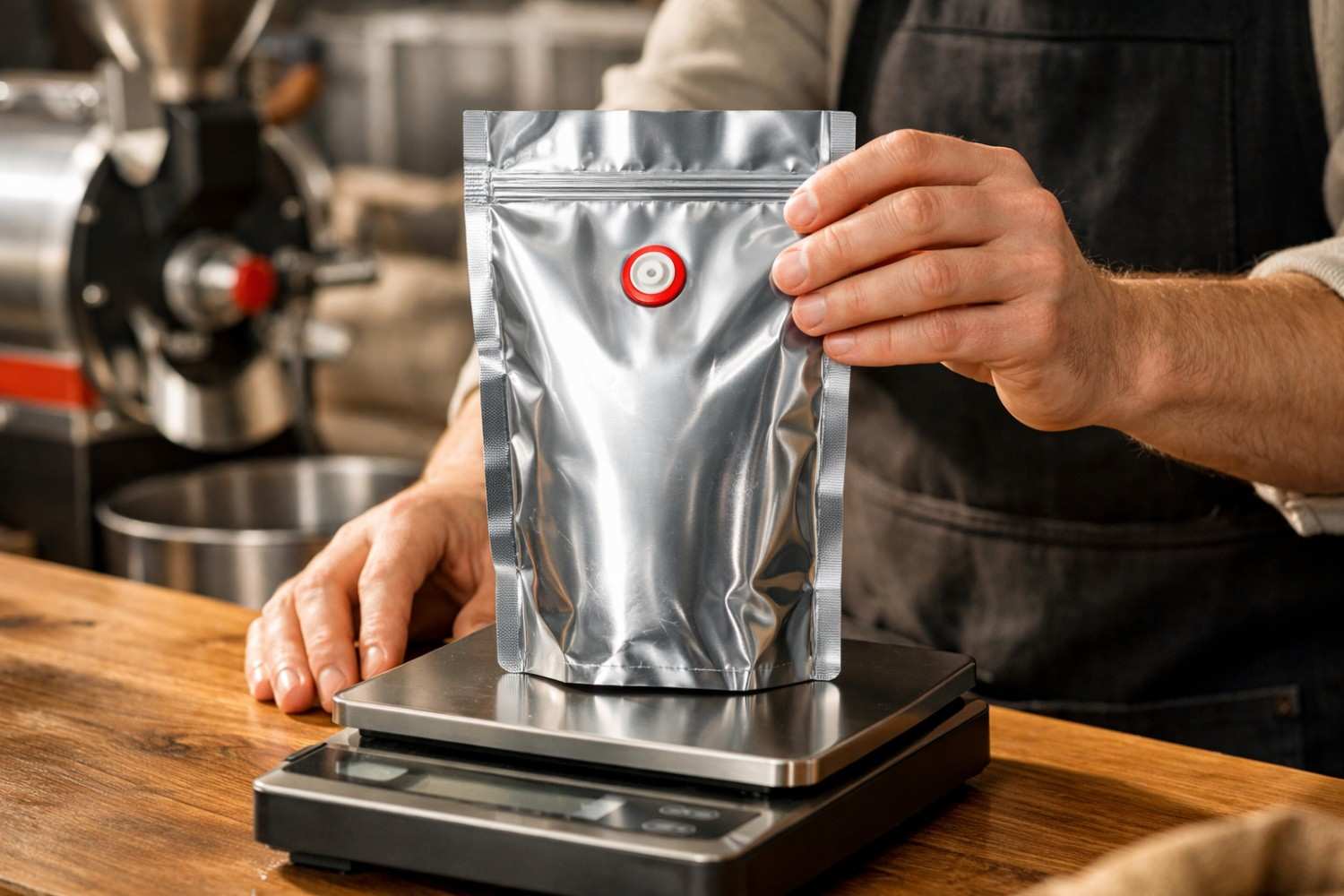


Gauge to Microns: Flexible Packaging Conversion Guide
Learn how to convert gauge to microns, mils, millimeters, and inches for flexible packaging film. Includes formulas, charts, FAQs, and packaging application tips.


Frozen Food Packaging: Barriers, Seals, and VFFS/HFFS Fit
Learn how to prevent freezer burn, cracks, and leaks with high-barrier frozen food packaging. Explore pouches, rollstock, zippers, sealants, and sustainable materials engineered for cold-chain durability and shelf-life protection.
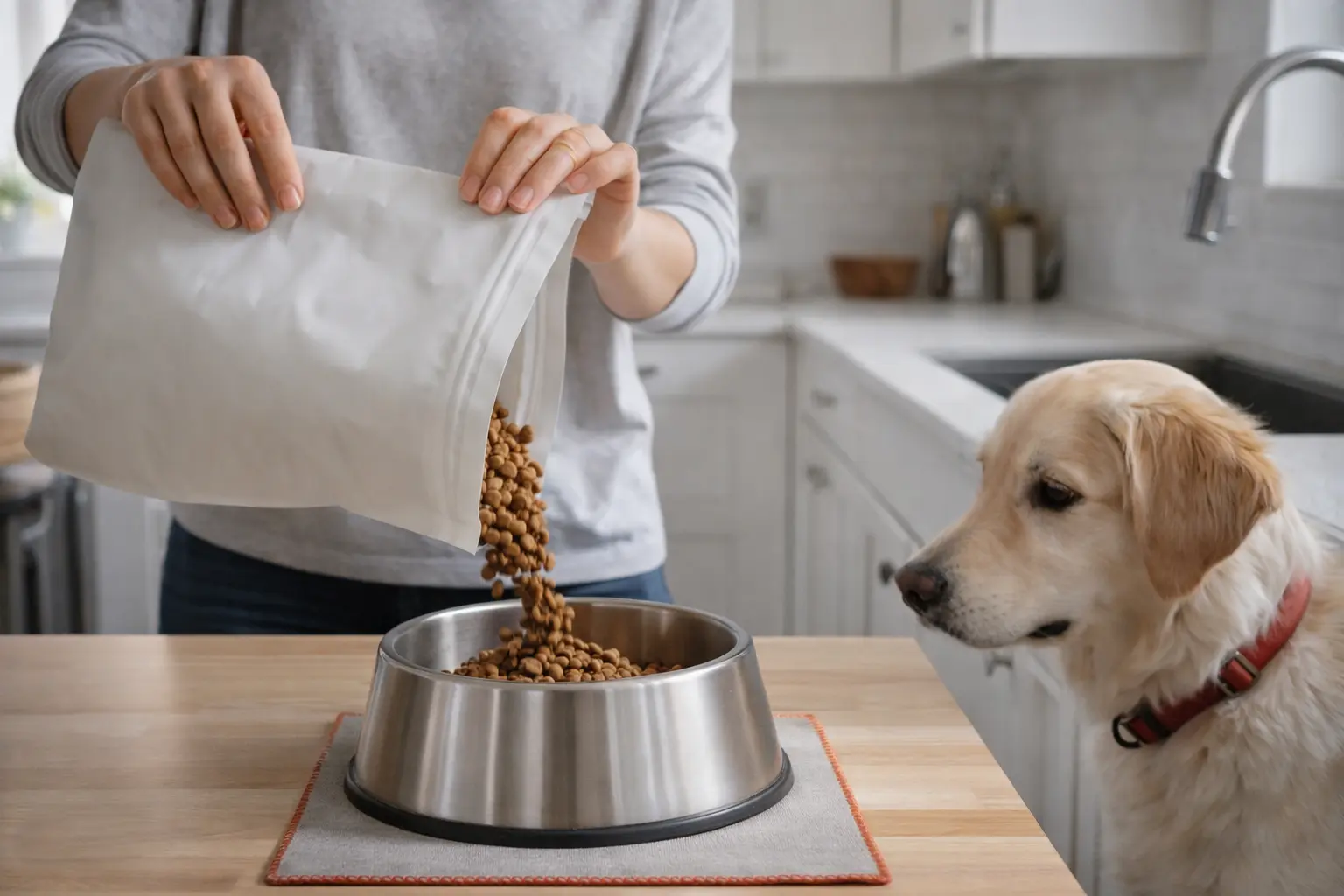
Pet Food Packaging That Protects Quality and Meets Retail Requirements
Learn sustainable pet food packaging that protects freshness, meets retail standards, drives repeat purchases, and ensures reliable barrier performance with mono-PE pouches and PCR content.

How to Align Design, Materials, and Print in Custom Packaging
Discover how custom packaging drives sales in seconds—combining eye-catching design, high-barrier films, functional features, and sustainable options. Learn how pouch style, finishes, print methods, and testing ensure your product stands out on shelf and online while protecting freshness and building brand trust.
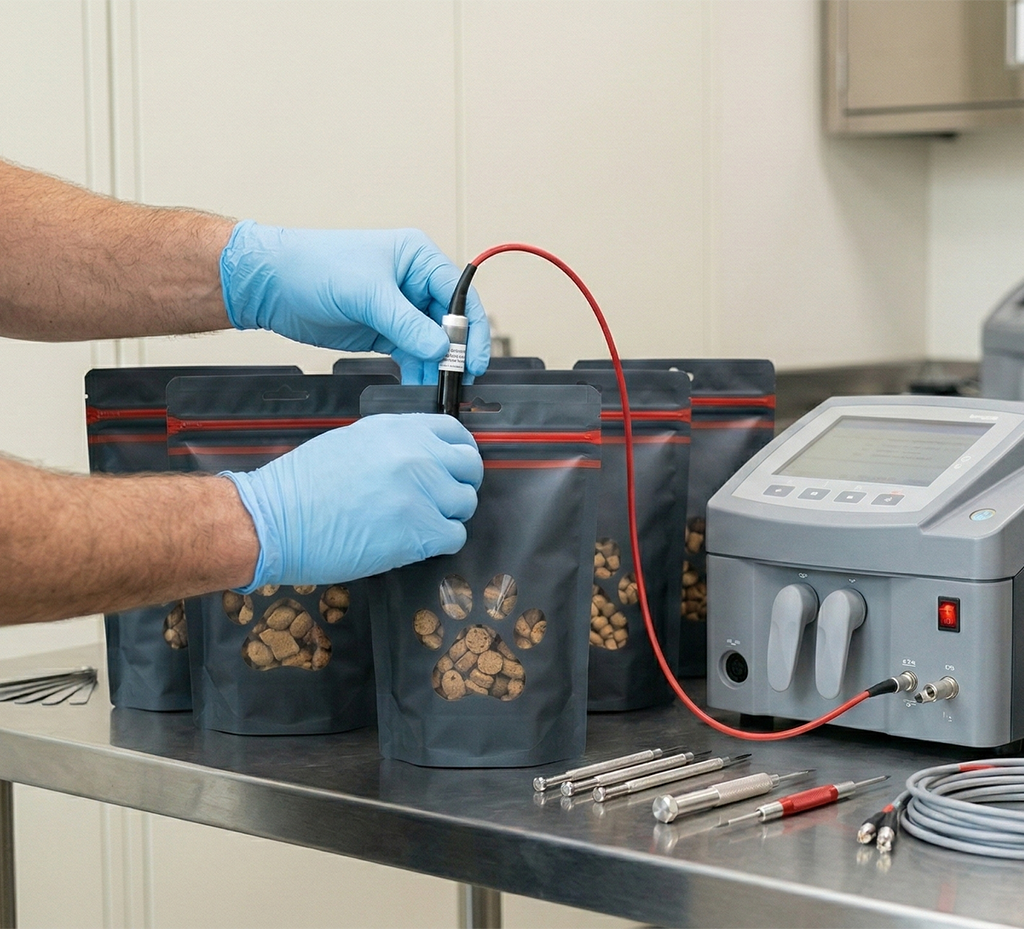
Is Your Pet Product Packaging Protecting Shelf Life and Ease of Use?
A practical guide to pet food packaging, covering stand-up pouches, spouts, closures, barrier films, print methods, and design strategies that protect freshness, boost shelf impact, and improve usability for dry and wet products.
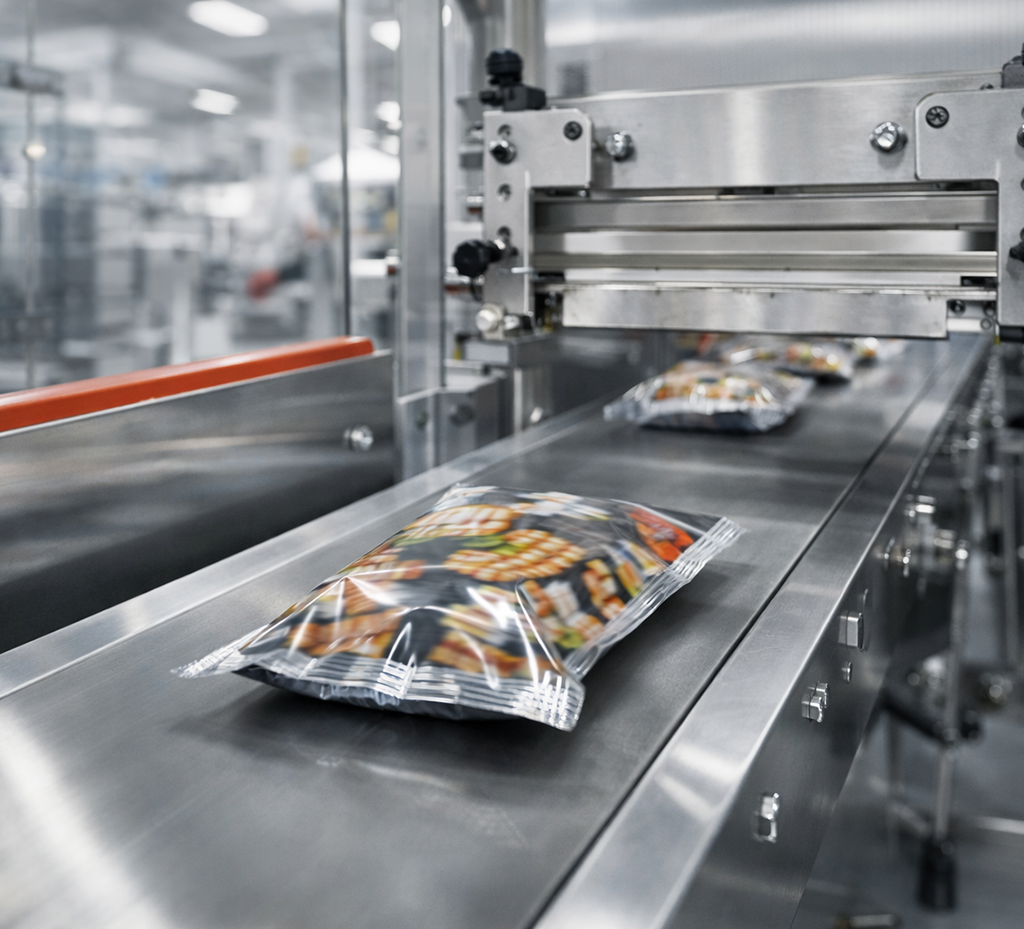
Custom Printed Rollstock Explained
A practical guide to custom printed rollstock packaging, explaining film structures, barrier materials, printing methods, line setup, regulatory compliance, quality testing, material selection, sustainability considerations, and how rollstock performs reliably and efficiently on form-fill-seal production lines.