

Custom Printed Sachets & Pouches
About Custom Printed Sachets and Flat Pouches
Built for consumer product brands and co-packers, our custom printed sachets help you deliver a clean, retail-ready presentation with packaging tailored to your product and fill method. Choose from 2-side seal, 3-side seal, and bottom load configurations, each available in custom sizes, materials, finishes, and practical features. Use these formats for food, supplements, personal care, and pet products where a slim profile and controlled portion are essential. Select the structure, print, and features you need, and move from design to production with clear support at each step.
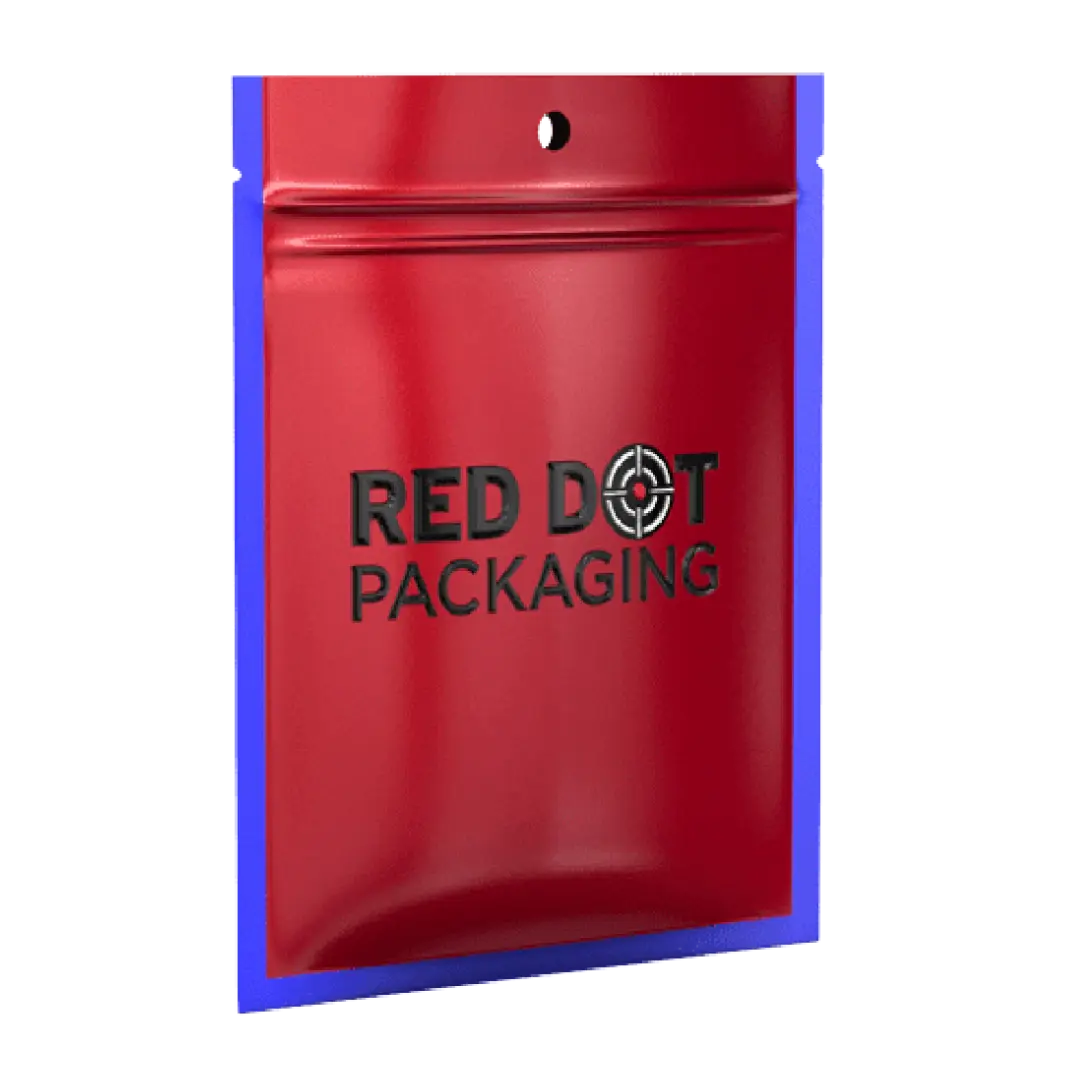
3 Side Seal Pouches
Sealed on three edges with a single open end for filling, this versatile format works well for samples and single-serve packs. It provides a flat, efficient shape with ample print area and a familiar tear-open experience.
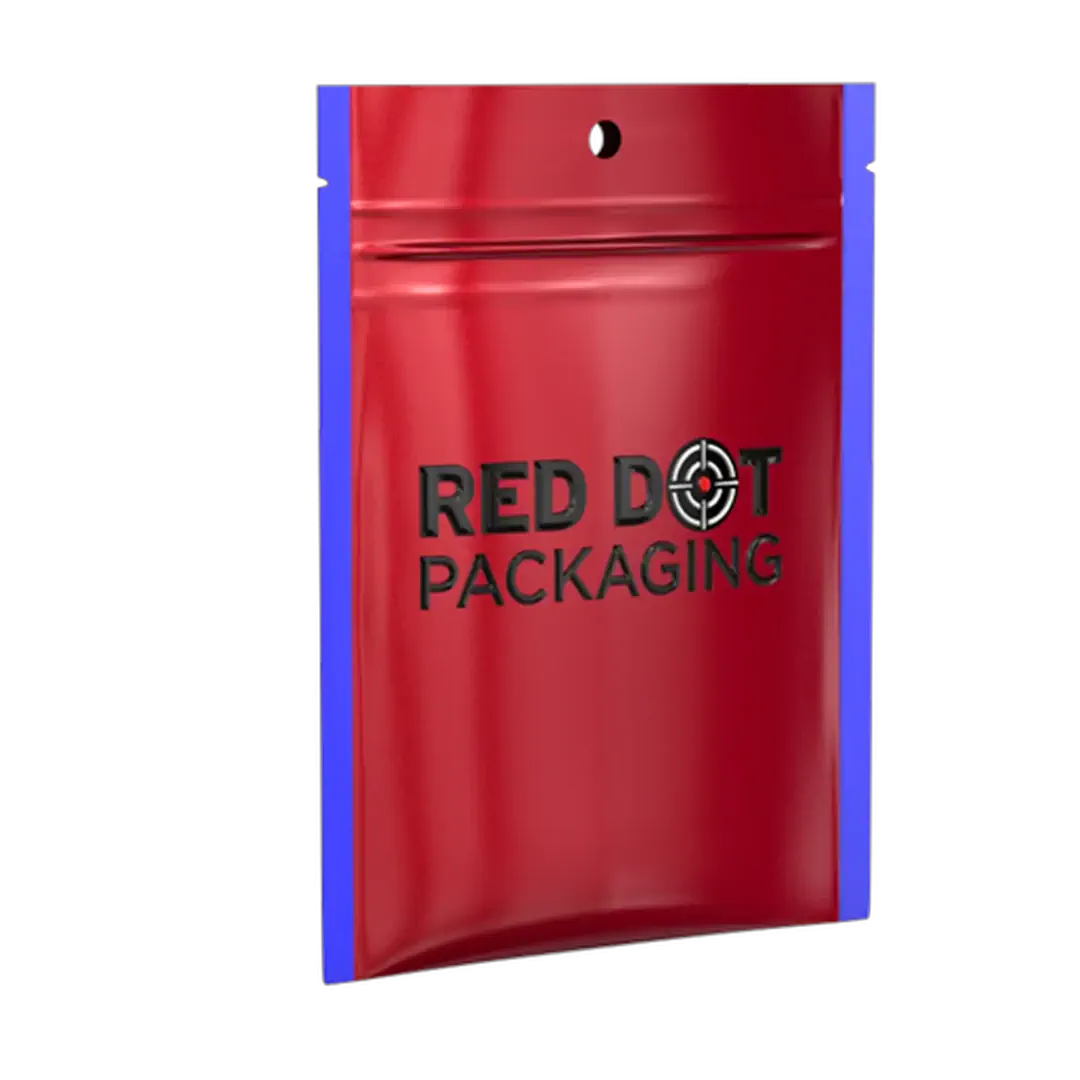
2 Side Seal Pouches
Formed by folding the material and sealing two sides, this option minimizes seam count and maximizes uninterrupted branding space. It’s well suited to slim packets where a clean front panel and consistent lay-flat performance matter.
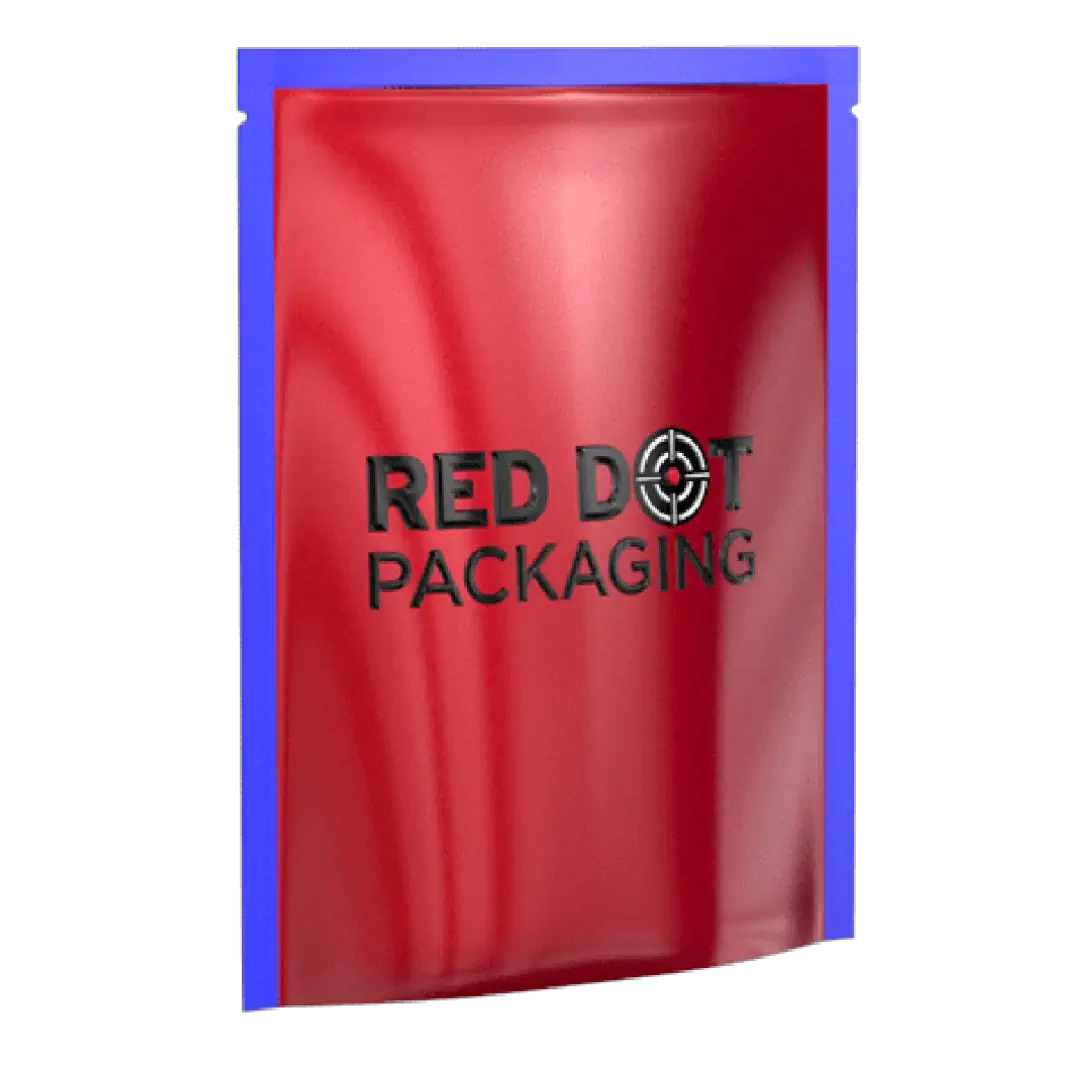
Bottom Load Pouches
Filled from the bottom after the top and sides are pre-sealed, bottom load supports products that benefit from controlled filling and a tidy top edge for display. It can improve handling for powders, granules, or viscous contents while maintaining a crisp retail look.
Common Options
- Custom sizes and materials aligned to product and shelf needs
- Print-ready surfaces for high-impact branding on both panels
- Practical features such as tear notches and hang holes
- Reclosable options, like zippers, available on suitable flat pouch formats
All formats prioritize a slim profile, efficient use of material, and consistent printing surfaces. Select by fill method, desired opening experience, and merchandising requirements to match your product and channel.
Key Selection Considerations
- Product form: Powders and granules pair well with 3-side seal and bottom load; liquids and gels often benefit from bottom load for cleaner fills; small solids fit standard 3-side or 2-side seal packets.
- Fill method: Choose 3-side seal for straightforward top filling, 2-side seal for minimal seams and strong front panels, and bottom load when you need a sealed top edge or a controlled bottom closure after filling.
- Features: Add tear notches for easy opening, hang holes for peg display, and, where appropriate, a zipper on flat pouches intended for multi-use rather than single-serve.
- Branding needs: If uninterrupted artwork is a priority, 2-side seal offers broad print panels; 3-side seal balances print space with a classic sachet outline.
- Size and portion: Align packet dimensions with serving size and retail placement; keep thickness and aspect ratio consistent with your filling equipment.
- Compatibility: Confirm material and features with your product’s requirements and your co-packer’s machinery to ensure smooth runs and reliable seals.
Why Red Dot Packaging
Red Dot Packaging focuses on custom flexible packaging with a core emphasis on printed pouches and single-use sachets. The team supports brands from design through production, helping align size, material, finish, and features with both product protection and retail presentation. We work with consumer product companies and co-packers across food, supplements, personal care, and pet categories, matching packaging to SKU and channel needs. This category reflects that focus: proven flat pouch formats, practical feature sets, and clear guidance so your packaging is ready for the shelf.
Custom Printed Sachets & Pouches FAQ
Q: What are custom printed sachets and flat pouches, and what products are they typically used for?
A: Custom printed sachets and flat pouches are single-use or small-format packets made for branded samples and single-serve products. They’re used across food, supplements, personal care, and pet categories when a slim profile and controlled portion are important. These pouches can be tailored in size, material, finish, and features to fit your product and fill method.
Q: What’s the difference between 2-side seal, 3-side seal, and bottom load sachets, and why would I choose each?
A: A 3-side seal pouch has three sealed edges and one open end for straightforward filling, offering a classic sachet look and easy tear-open use. A 2-side seal is formed by folding the film and sealing two sides, reducing seams and creating a broad, uninterrupted front panel for branding. Bottom load pouches are sealed on the top and sides and filled from the bottom, giving you a clean top edge and controlled filling for powders, granules, or viscous products. Choose by fill method, desired opening experience, and merchandising needs.
Q: What material and finish options are common for sachets, and how do they impact protection and print appearance?
A: Materials are selected to match your product’s needs and filling equipment, with barrier structures used to manage moisture, oxygen, light, or aroma as required. Print-ready surfaces support high-impact graphics on both panels. Finishes like matte or gloss influence color vibrancy, glare, and scuff resistance, shaping how your branding reads on the shelf. Confirm compatibility with your product and co-packer to ensure reliable seals and performance.
Q: How do tear notches, hang holes, and zippers work on sachets, and when should I use them?
A: Tear notches create an easy-open point without tools and are standard for single-serve use. Hang holes enable peg display for better merchandising in retail sets. Zippers provide reclosability on suitable flat pouch formats and make sense for multi-use products rather than true single-serve. Add features based on your opening experience, display strategy, and product usage.
Q: What are the typical steps from design to production for custom printed sachets?
A: Start with a scoping call to define size, structure, material, and features based on your product and fill method. Receive a dieline and prepare artwork to spec, then complete prepress with a digital proof (and optional press proof) for sign-off. Production follows with printing and converting, then delivery to you or your co-packer. Red Dot Packaging supports alignment at each step so specs, artwork, and features meet shelf and machinery requirements.
Q: What factors affect print quality and brand visibility on small sachet panels?
A: Seam placement and the number of seams influence how much uninterrupted space you have for logos and claims; 2-side seal formats maximize clean panels. Keep key copy away from tear notches, hang holes, zipper tracks, and seal areas, and use adequate contrast and font sizes for legibility. Choose finishes that work with your design (matte can soften colors; gloss can add pop and reflectivity). Provide high-resolution or vector artwork and maintain clear quiet zones near edges.
Q: How do sachets compare to stick packs or small rigid containers in usability and efficiency?
A: Sachets and flat pouches offer a broad print area, familiar tear-open use, and efficient material usage with flat shipping and storage. Stick packs are narrow and pour-friendly for powders but provide less front-panel branding and a different dispensing experience. Small rigid containers add structure and reclosability but increase material, weight, and freight space. For viscous products or cleaner top edges, bottom load flat pouches can be a strong alternative.
Q: What are common mistakes to avoid when choosing size and portion for single-serve sachets?
A: Mismatching internal volume to fill weight can cause under-filled or hard-to-open packs; allow for headspace, product flow, and settling. Overly thick or awkward aspect ratios can slow equipment or cause poor lay-flat performance. Placing critical artwork too close to seals, notches, or hang holes risks trim or distortion. Leave room for required labeling and barcodes within the printable area.
Q: What sustainability considerations apply to sachet materials and closures, and what tradeoffs are typical?
A: Flexible sachets use less material than many rigid options, improving transport and storage efficiency. High-barrier, multi-layer films often provide superior protection but may not be curbside recyclable, while simpler structures may trade some barrier performance. Features like zippers and hang holes add functionality but introduce additional materials. Right-sizing the pack and selecting the minimum barrier needed can reduce waste without compromising product quality.
Q: What trends are shaping single-serve and sample packaging across food, supplements, personal care, and pet products?
A: Brands are expanding sample and trial formats to support retail sell-in and e-commerce, with peg-ready hang holes and clear front panels for fast scanning. Clean, reliable opening with tear notches and premium finishes like soft-touch matte are common for a polished feel. QR codes and concise claims are used to maximize the small panel space and connect to digital experiences. Operationally, specs aligned to co-packer machinery and formats like bottom load for liquids and gels help speed launches.