

Custom Flat Pouches
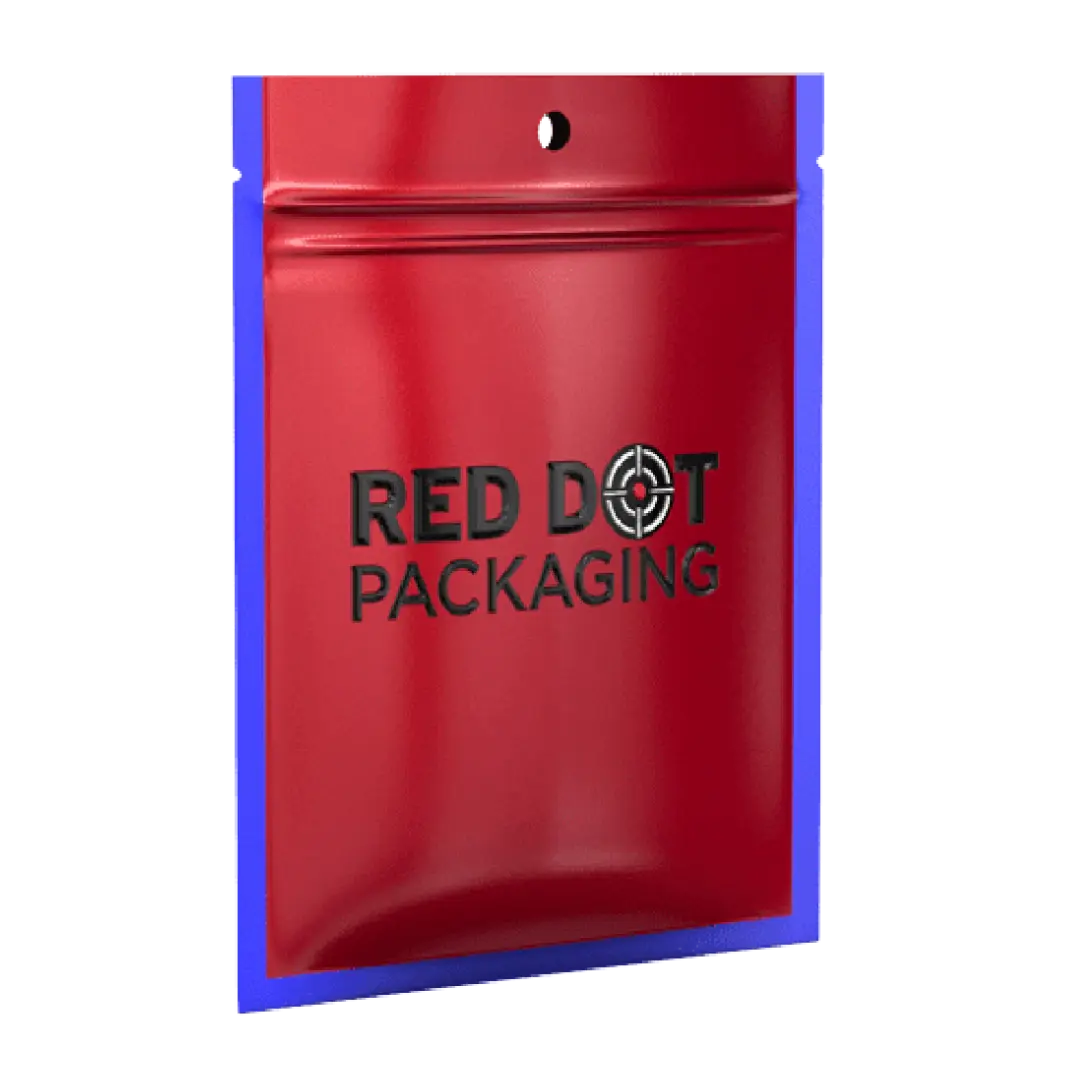
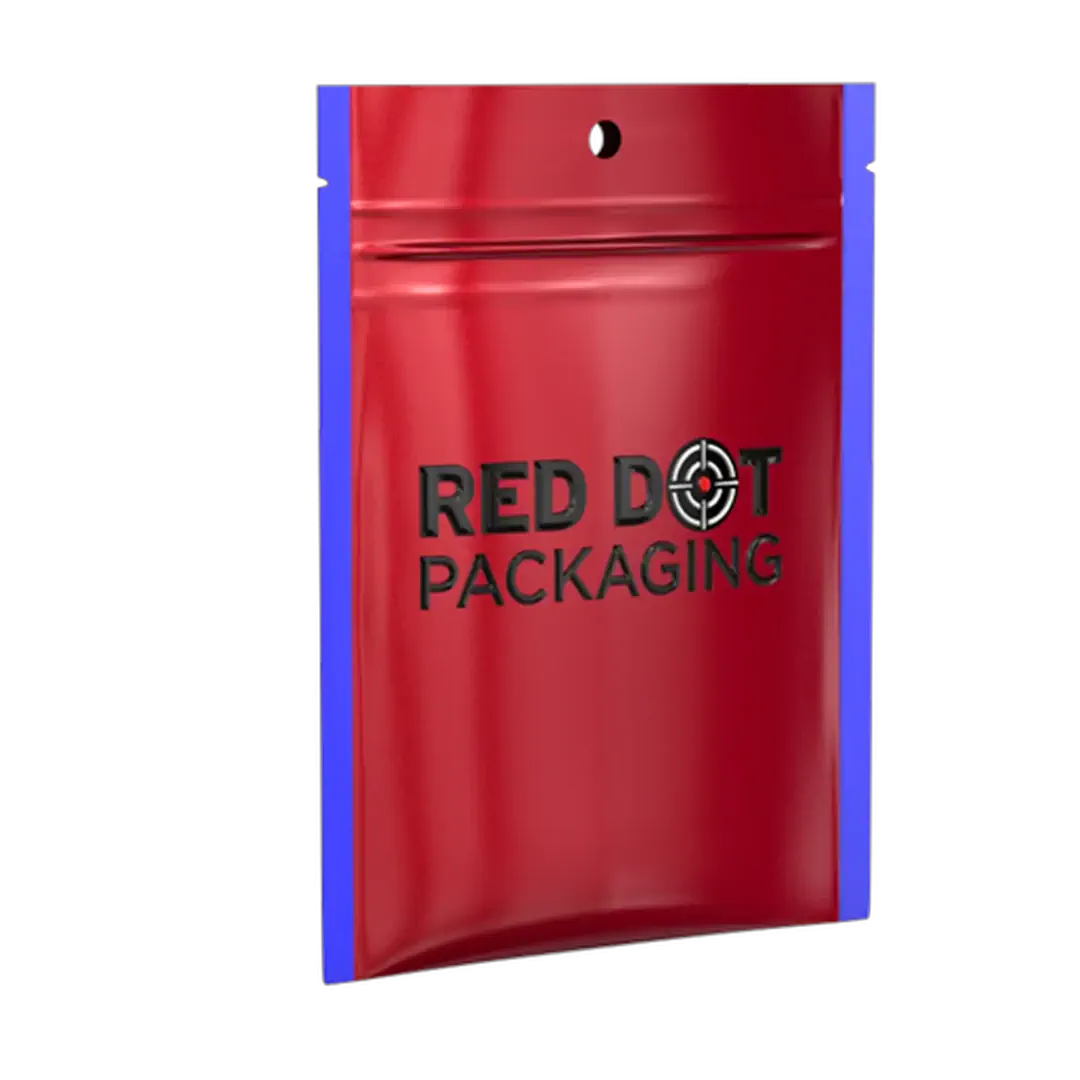
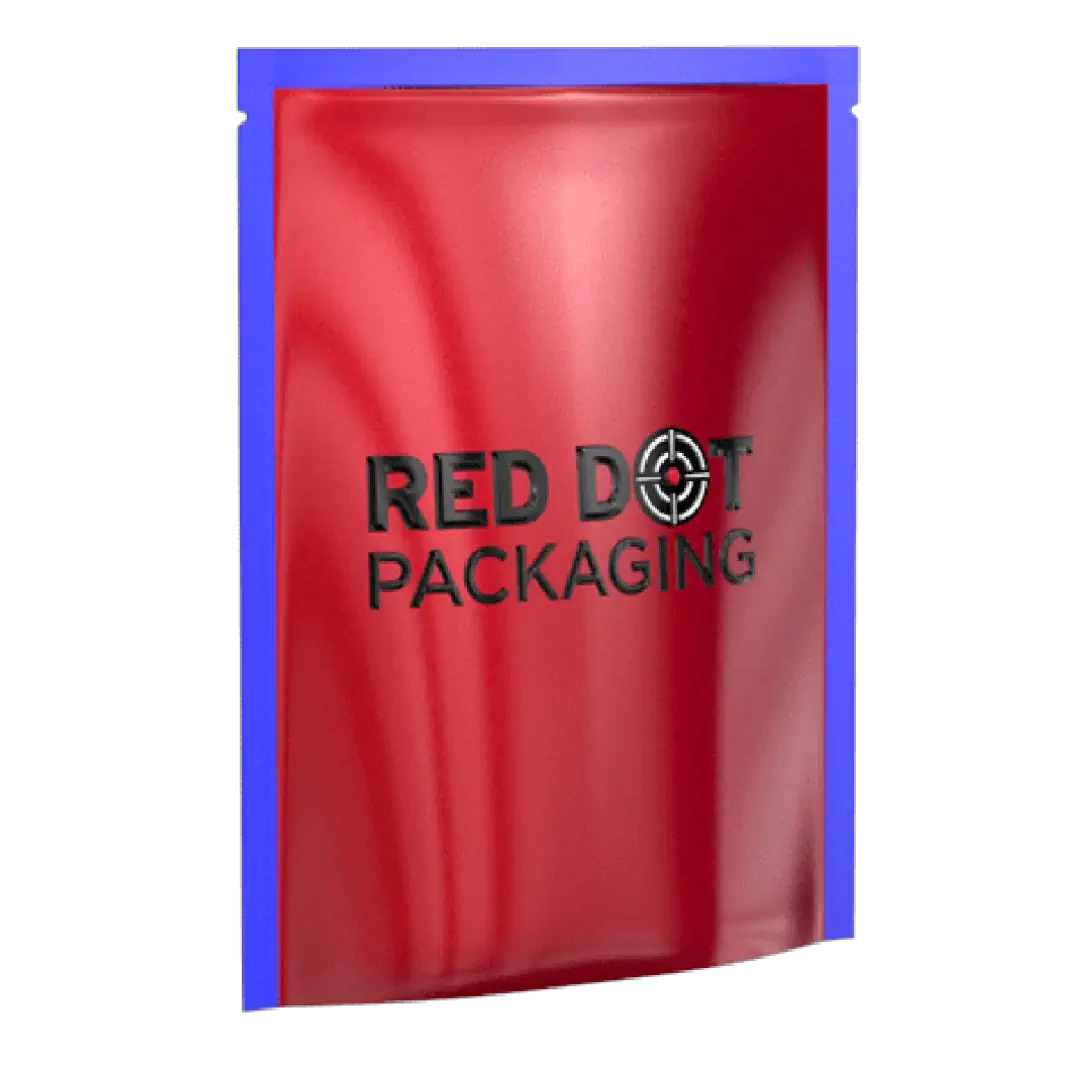
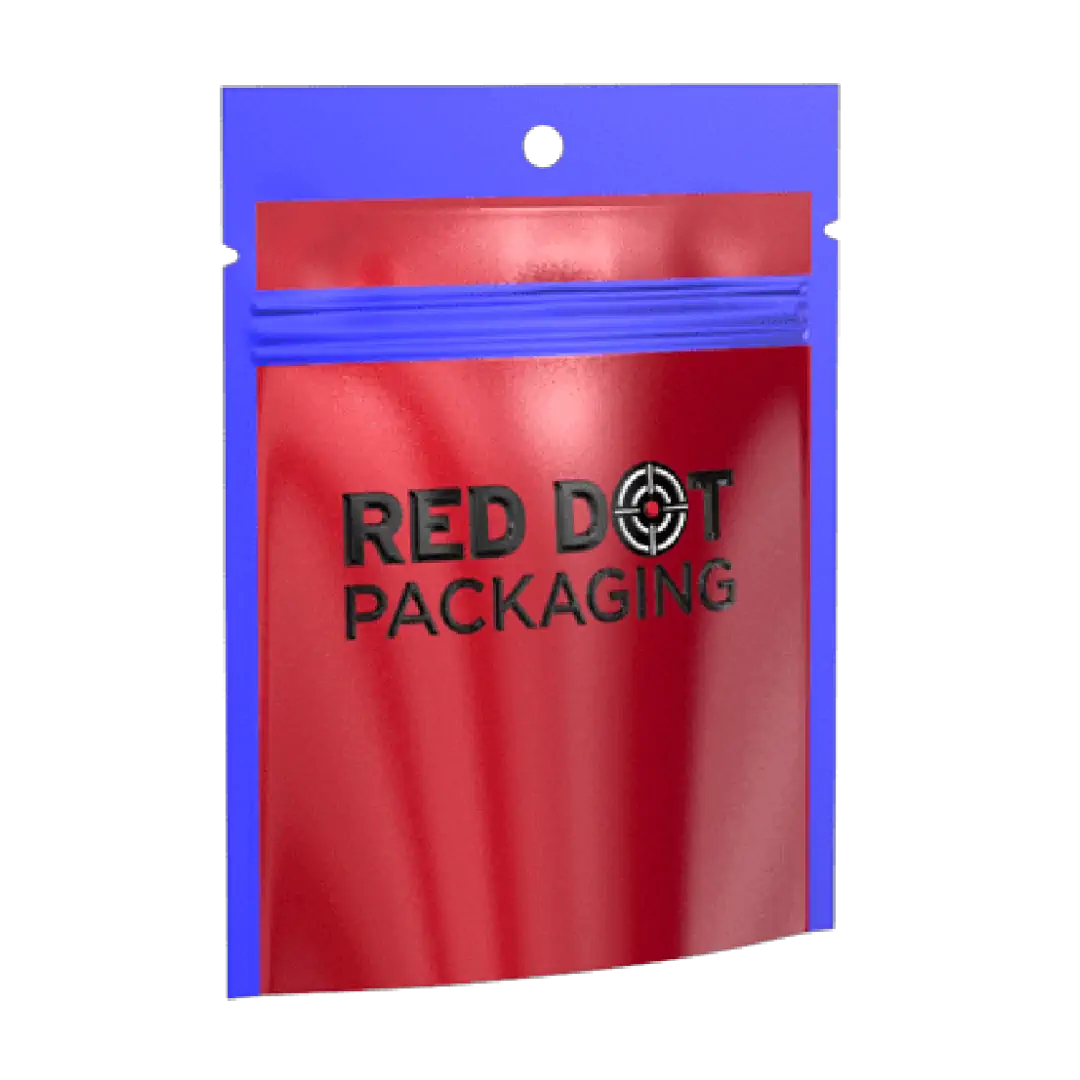
About Custom Flat Pouches
Custom flat pouches (three-side-seal style) deliver a slim, efficient package with brandable panels and dependable sealing. This category serves food and snacks, coffee and tea, pet treats, supplements, cosmetics, and similar goods sold in retail or online. Choose from four formats—3 side seal, 2 side seal, bottom load, and tamper-evident—and specify the size, material, and print that fit your product. Red Dot Packaging supports selection and production so you can move from artwork to finished pouches with confidence. Browse the options to compare loading style, seal layout, and security features, then choose the configuration that aligns with your fill process and merchandising plan.
3 Side Seal Pouches
A classic flat pouch sealed on three sides and filled from the remaining open edge. This versatile format suits single-serve and multi-serve applications, ships efficiently, and presents a clean, flat profile on shelf.
2 Side Seal Pouches
Formed with a fold-over edge and sealed on two sides, this design leaves one side open for filling. It delivers the same flat look with a different construction path that can align with specific material or line requirements.
Bottom Load Pouches
Loaded from the bottom and sealed after filling, this format keeps the top edge uninterrupted for branding, coding, or a consistent retail header area. Useful when you want a uniform top appearance across SKUs.
Tamper-Evident Pouches
Built with features that make opening clearly visible, these flat pouches support categories that require added security and consumer assurance from warehouse to shelf.
Across formats, custom printing, size selection, and film choice are configured to your product and brand needs. Use this category to compare how filling direction, seal count, and opening visibility impact your operational flow and retail presentation.
Key Selection Considerations
- Format and loading: Choose 3 side seal for general use, 2 side seal if your spec prefers a fold construction, bottom load for a clean top edge, and tamper-evident when opening visibility is required.
- Filling method: Match the pouch to your process (hand-fill or automated) and sealing approach to maintain throughput and consistency.
- Product fit: Align material and construction with contents (dry goods, powders, or items with surface oils) and handling conditions through distribution.
- Security and compliance: Some categories benefit from tamper-evident formats or added opening visibility for audit and retail acceptance.
- Size and layout: Confirm fill volume, headspace, and panel dimensions to accommodate branding, directions, and any required regulatory information.
Why Red Dot Packaging
Red Dot Packaging designs and produces custom printed flexible pouches with a dedicated focus on custom flat pouches. The team works with product companies and brand designers to define the right size, material, and print for each SKU. The process is straightforward: guided specification, artwork coordination, and managed production through to finished pouches. With experience across food, beverage, pet, supplement, and personal care categories, Red Dot provides practical support for small to mid-sized brands that need retail-ready packaging delivered reliably.
Custom Flat Pouches FAQ
Q: What are custom flat pouches, and what types of products commonly use them?
A: Custom flat pouches are lay-flat, single-pocket flexible packages made to specified dimensions, materials, and print. Brands use them for food and snacks, coffee and tea, pet treats, beauty and personal care, and vitamins or supplements. They suit everything from samples to full-size units while shipping and storing efficiently.
Q: What’s the difference between 3 side seal, 2 side seal, bottom load, and tamper-evident flat pouches?
A: A 3 side seal pouch is sealed on three edges and filled through the remaining open side, offering broad panels for branding and wide size flexibility. A 2 side seal pouch has two sealed sides and one folded edge, creating a slimmer, consistent profile that’s great for single-serve and kit components. Bottom load pouches fill from the bottom so the top edge stays clean for display or coding, which many automated or semi-automated lines prefer. Tamper-evident pouches add a visible first-open indicator to meet retail or category compliance needs.
Q: How do I choose the right flat pouch format, materials, and size?
A: Start with product protection needs and match the material structure and seal style to your item’s sensitivity. Align the format with your filling method and equipment; 3- and 2-side seal suit common sealing processes, while bottom load preserves a clean top after filling. Confirm finished dimensions, target weight, and thickness so the pouch sits and ships as intended, and plan artwork across the front and back for branding and required information. Choose order quantities that fit pilots, seasonal launches, or ongoing production.
Q: How do flat pouches compare to stand-up pouches and rigid packaging in protection, space efficiency, and display?
A: With the right films, flat pouches can deliver similar barrier protection to other flexible formats while packing flatter for efficient shipping and storage. Stand-up pouches include a gusset so the pack can stand on shelf, which helps merchandising but uses more material and space. Rigid packaging provides strong crush resistance and a premium feel, yet it increases freight volume and waste compared to flexible pouches.
Q: How does tamper-evident functionality work in flat pouches, and when is it needed?
A: Tamper-evident flat pouches use features like sealed headers, perforations, or tear notches that must be removed to access the product, creating a clear first-open signal. Use this format when your retail channel or product category requires visible tamper evidence for safety or compliance. It combines the efficiency of a lay-flat pouch with added consumer assurance.
Q: What printing and artwork layout options are available for custom flat pouches, and how do they support branding and compliance?
A: You can print custom artwork across the front and back panels to carry brand colors, imagery, and product details consistently. Plan the layout to reserve space for required data such as ingredients, nutrition, directions, warnings, barcodes, and date codes. Red Dot Packaging aligns print with the chosen size and format so the final pack arrives retail-ready.
Q: Which materials and barrier structures are common for flat pouches, and what do they protect against?
A: Common structures include PET/PE, PET/PE with EVOH, nylon laminations, metallized film, and aluminum foil layers. These combinations protect against oxygen and moisture transmission, light exposure, aroma loss or ingress, and puncture during handling. High-barrier films suit sensitive foods and supplements, while simpler laminations work for dry, low-risk items.
Q: What are the typical filling and sealing methods for flat pouches, and how do they affect production and packaging quality?
A: Flat pouches can be filled manually, on semi-automatic weigh-fill lines, or on horizontal form-fill-seal equipment, then closed with heat seals. 3- and 2-side seal formats usually fill from the open side, while bottom load formats fill from the bottom to keep the top edge clear for labeling or coding. Correct seal temperature, dwell time, and seal width improve seal integrity, shelf life, and line throughput.
Q: What are common misconceptions about flat pouch packaging, and what is the reality?
A: Some assume flat pouches are only for samples; in reality, they scale from single-serve to full-size units. It’s often thought they lack strong barriers, but high-barrier laminations can protect against oxygen, moisture, and light. Others believe flat pouches limit branding, yet wide front and back panels support full-color, retail-ready artwork. Another misconception is they don’t fit automation, when formats like bottom load can integrate with automated or semi-automated operations.
Q: What trends are shaping custom flat pouch design, materials, and sustainability?
A: Right-sizing and slimmer pack profiles are gaining ground to reduce freight and storage volume. Materials are trending toward high-barrier films with recyclability in mind, such as mono-material PE or PP where practical, and increased use of post-consumer recycled content. On the design side, clear information hierarchy, compliance-forward labeling, and consistent color across short and seasonal runs matter more as brands expand SKUs.