
Custom Frozen Food Packaging
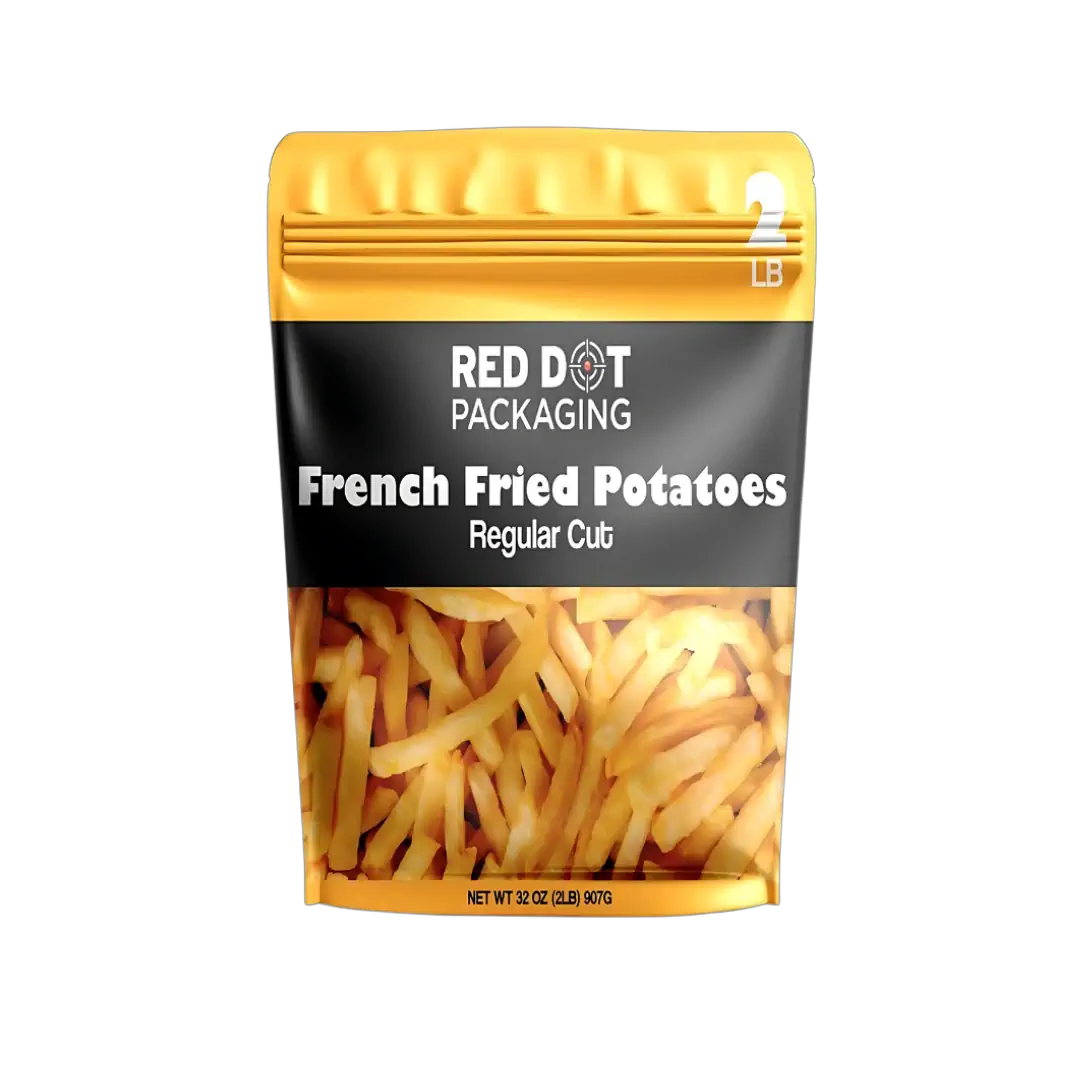
Custom Frozen Food Packaging Solutions
Frozen food packaging has to do more than just look good—it must perform in extreme conditions. Temperature fluctuations, moisture exposure, and long freezer life require films and structures that won’t crack, peel, or compromise the product inside. Red Dot Packaging offers high-barrier flexible packaging specifically engineered to maintain food safety and product integrity from freezer to table. Whether you're packaging vegetables, prepared meals, or seafood, our team helps you develop reliable solutions that balance protection, convenience, and visual appeal.
Packaging Formats Tailored for Frozen Food Products
Packaging for frozen goods needs to be tough, flexible, and scalable. Red Dot provides a variety of pouch formats designed for easy sealing, secure closures, and durability under low temperatures.
- Stand-Up Pouches – Provide ample space for product labeling and upright freezer display
- 3-Side Seal & Flat Pouches – Ideal for single-serve or compact options
- Box Bottom or Plow Bottom Pouches – Great for heavier items with larger fill volumes
- Rollstock Film – Compatible with automated equipment for high-output production
All options are available with freezer-grade laminations, seal enhancements, tear notches, and zipper closures to preserve freshness and improve functionality.
Print & Finish Options for Frozen Food Packaging
Packaging design plays a big role in freezer aisle visibility. With Red Dot, you can elevate your branding without sacrificing durability or cost-efficiency.
Print Technologies:
- Digital Printing – Ideal for short runs, flavor variations, and limited releases
- Flexographic Printing – Suited for medium-volume runs and consistent brand replication
- Rotogravure Printing – Delivers unmatched print quality for high-volume SKUs
Finish Options:
- Gloss – Adds shine and contrast, ideal for colorful or indulgent foods
- Matte – Provides a clean, frosty look often associated with better-for-you options
- Soft Touch Matte – Enhances the feel and perceived value of premium products
- Dual Finish (Spot UV) – Highlights select design areas while offering depth and texture
Why Brands Trust Red Dot for Frozen Food Packaging
When it comes to frozen foods, Red Dot Packaging offers more than just high-performance films—we deliver a full-service partnership that helps your packaging perform and stand out.
- Engineered films for puncture resistance and cold-crack protection
- Custom structures tailored to each product's weight, shape, and storage needs
- Fast turnarounds, low MOQs, and scalable print runs for growing brands
- Options for recyclable and eco-conscious substrates
From frozen fries to full meals, Red Dot helps brands succeed in the cold chain.
Frozen Food Packaging FAQ
Q: What pouch formats work best for frozen vegetables, prepared meals, and seafood?
A: Red Dot offers multiple frozen-ready formats. Stand-up pouches are ideal for upright freezer display and clear labeling. 3-side seal or flat pouches fit single-serve or compact items. Box bottom/plow bottom pouches support heavier fills and larger portions. For automated lines or large runs, rollstock film enables high-output production. All formats can use freezer-grade laminations and secure closures.
Q: Help me choose between stand-up pouches, 3-side seal/flat pouches, box bottom pouches, and rollstock for a frozen product.
A: Choose stand-up pouches when you want strong shelf presence and ample space for branding. Use 3-side seal or flat pouches for single-serve or space-conscious packs. Select box bottom/plow bottom pouches for heavier products or larger fill volumes. Opt for rollstock when running automated equipment and scaling output.
Q: Which printing method should I use for frozen food packaging—digital, flexographic, or rotogravure—and in what scenarios?
A: Digital printing suits short runs, flavor changes, and limited releases. Flexographic printing fits medium-volume runs that need consistent brand replication. Rotogravure delivers the highest print quality and efficiency for high-volume SKUs.
Q: What print finishes hold up in the freezer aisle and help products stand out (gloss, matte, soft touch matte, dual finish/spot UV)?
A: Red Dot offers freezer-ready finishes designed for brand impact and durability. Gloss adds shine and contrast for colorful or indulgent foods, while matte delivers a clean, frosty look often linked to better-for-you items. Soft touch matte adds a premium tactile feel, and dual finish (spot UV) highlights key design elements with added depth and texture.
Q: How do I prevent cracking, punctures, or seal failures in frozen food packaging?
A: Use engineered films with puncture resistance and cold-crack protection to handle low temperatures and rough handling. Pair them with freezer-grade laminations and seal enhancements to maintain package integrity. Red Dot tailors structures to your product’s weight, shape, and storage needs to protect contents throughout the cold chain.
Q: What features should I add to frozen packaging to keep products fresh and easy to open (freezer-grade laminations, tear notches, zipper closures)?
A: Freezer-grade laminations help lock in freshness and resist moisture. Tear notches simplify opening without tools, and zipper closures add convenient resealability. Seal enhancements further improve pack security during distribution and storage.
Q: What is rollstock film, and when does it make sense for high-output frozen food production?
A: Rollstock film is continuous flexible film supplied on a roll for use with automated packaging equipment. It’s ideal for high-output production where speed, consistency, and scalability matter. Red Dot’s rollstock options are available with freezer-grade laminations and seal enhancements to protect product quality.
Q: Does Red Dot Packaging offer recyclable or eco-conscious materials for frozen food pouches?
A: Yes. Red Dot provides recyclable and eco-conscious substrates suitable for frozen applications. These materials align sustainability goals with performance in cold-chain conditions.
Q: I’m a growing frozen food brand—can Red Dot handle low minimums and quick turnarounds for custom packaging?
A: Yes. Red Dot supports fast turnarounds, low MOQs, and scalable print runs to help growing brands move quickly. You can start small and ramp production as demand increases.
Q: How does Red Dot tailor packaging structures to a product’s weight, shape, and storage needs to maintain integrity through the cold chain?
A: Red Dot engineers custom structures matched to your product’s dimensions, weight, and freezer storage requirements. The team selects films with puncture resistance and cold-crack protection, then adds seal enhancements and closures as needed. This approach keeps packaging functional and attractive from freezer to table.