

Side Gusseted Custom Pouches
About Side Gusseted Custom Pouches
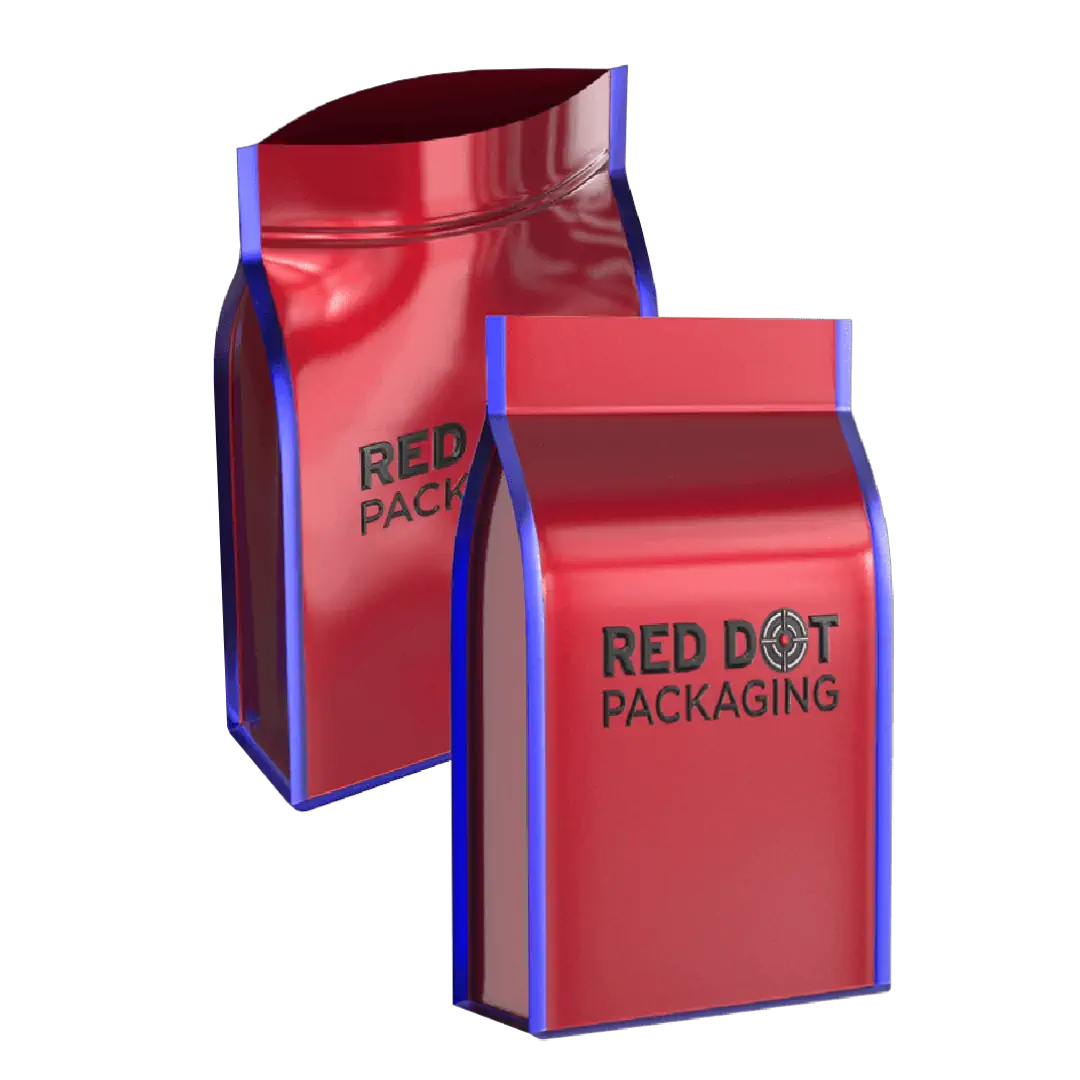
Side gusseted custom pouches use side panels to increase capacity while presenting a clean front and back for branding. They store and ship efficiently, display well on shelf, and accept high-impact custom printing. This format is widely chosen for whole bean and ground coffee, loose-leaf tea, dry snacks, grains, baking mixes, and treats.
Common options include:
- Materials: Foil laminations for higher barrier needs, kraft paper laminations for a natural look, and recyclable film choices.
- Features: Zipper closures for resealability and optional one-way degassing valves for coffee and other gas-releasing products.
- Finishes and print: Brand-matched artwork across panels with your preferred finish.
Related formats in this category:
- Flat bottom (box pouch): a squared base supports upright display and a premium look across multiple panels.
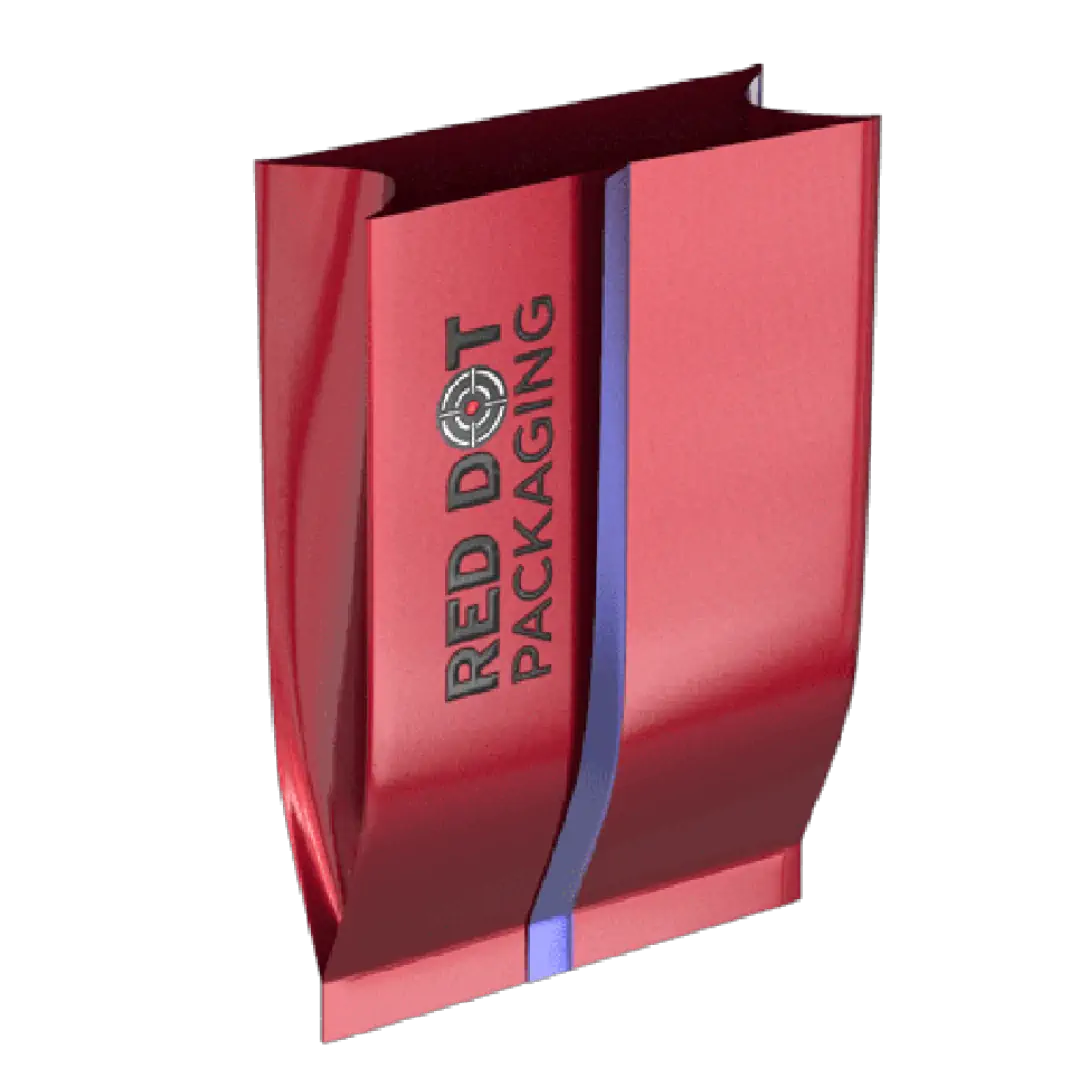
- Fin seal pouch: a traditional back-seal construction suited to compact pack sizes and streamlined presentations.
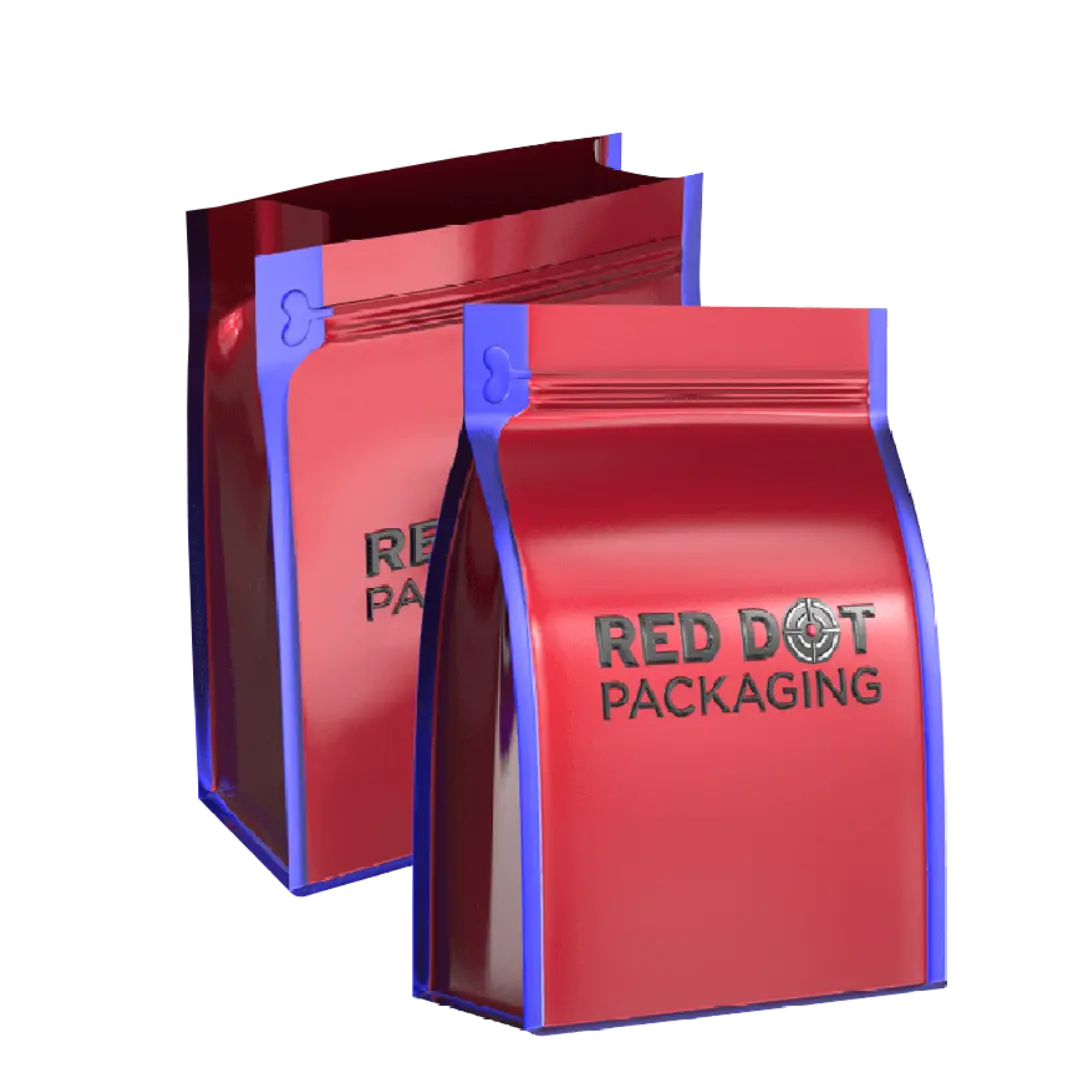
- Flat bottom with dog bone zipper: combines a stable base with a specialty zipper for an enhanced open-and-close experience.
Use these options to align capacity, merchandising style, and closure needs across your SKU set.
Key Selection Considerations
- Format: Choose side gusseted for capacity and a familiar coffee/snack profile; flat bottom for a stable base and premium blocking on shelf; fin seal for a slim form and simple pack presentation.
- Product compatibility: Add a degassing valve for freshly roasted coffee or other off-gassing items; select a zipper when consumers will use the product over multiple servings.
- Materials: Use foil laminations when higher oxygen- or light-resistance is a priority; select kraft laminations for a natural aesthetic; consider recyclable films to support sustainability goals. Match barrier to product sensitivity and shelf life targets.
- Size and fill: Confirm target fill weight/volume, headspace for sealing, and how the bag will display when filled.
- Printing: Plan artwork for compliance panels, flavor or SKU color changes, and promotional space without crowding required information.
Why Red Dot Packaging
Red Dot Packaging focuses on custom printed flexible packaging, with side gusseted pouches as a core line. The team manages artwork, printing, and production so brands receive retail-ready bags aligned to their specifications. Customers get clear guidance on materials, features, and print execution, along with practical order quantities that fit real production runs. The result is a dependable sourcing path for custom pouches built for coffee, tea, snacks, dry goods, and pet treats—without a complicated procurement process.
Side Gusseted Custom Pouches FAQ
Q: What are side gusseted pouches, and what products are they commonly used for?
A: Side gusseted pouches have expandable side panels that increase capacity while keeping a clean front and back for branding. They store and ship efficiently and present well on shelf. Brands often use them for coffee, tea, snacks, grains, baking mixes, pet treats, and other dry goods.
Q: How do side gusseted pouches compare to flat bottom and fin seal bags, and when does each fit best?
A: Side gusseted pouches offer strong capacity and a familiar coffee/snack profile with broad print areas. Flat bottom (box) pouches have a squared base for extra stability and a premium, multi-panel display, making them great for higher-end lines. Fin seal pouches use a back-seal construction that suits compact pack sizes and streamlined presentations.
Q: How do foil, kraft paper, and recyclable films affect protection and shelf life in side gusseted pouches?
A: Foil laminations provide higher barriers to oxygen and light, which supports longer shelf life for sensitive products. Kraft paper laminations deliver a natural look and can be paired with barrier layers; performance depends on the total laminate, not just the paper. Recyclable films support sustainability goals and can meet many dry-good needs, but you should match barrier performance to product sensitivity and shelf-life targets.
Q: How do zipper closures and one-way degassing valves work, and when should I add them to a pouch?
A: Zipper closures allow consumers to reseal the pouch between uses, which helps maintain freshness for multi-serve items. One-way degassing valves let gases such as CO2 escape without letting air in, which is essential for freshly roasted coffee and other off-gassing products. Use a zipper when the product will be opened and closed multiple times, and add a valve when off-gassing is expected.
Q: What are the main pros and cons of choosing side gusseted pouches for dry goods?
A: Pros include high capacity for the footprint, efficient storage and shipping, strong shelf presence, and excellent print real estate. They accept features such as zippers and valves and are widely recognized for coffee and snack applications. Compared with flat bottom pouches, they may be less rigid at the base, and for very small sizes a fin seal format can be more compact.
Q: What should I consider when selecting the size and capacity for a side gusseted pouch?
A: Start with your target fill weight or volume and the product’s density to estimate internal capacity. Leave headspace for proper heat sealing and consider how the pouch will look and stand when filled. Confirm gusset width, overall height, and whether features like zippers or valves affect fill and display.
Q: What are best practices for planning artwork, finishes, and labeling on a side gusseted pouch?
A: Map required compliance panels first, then plan branding and promotional space to avoid crowding critical information. Use consistent brand elements across the front, back, and gussets, and rely on color changes to differentiate flavors or SKUs. Choose finishes that match your brand look and ensure text remains readable under that finish.
Q: What sustainability options exist for side gusseted pouches, and what trade-offs come with them?
A: Recyclable film constructions are available and can reduce material complexity compared with traditional multi-material laminates. Kraft laminations provide a natural appearance and can be paired with barrier layers, but recyclability depends on the full structure and local programs. Trade-offs often include barrier performance, print effects, and end-of-life handling, so align materials with both product needs and sustainability goals.
Q: What misconceptions exist about side gusseted pouches and freshness protection?
A: A common misconception is that kraft paper alone ensures freshness; actual protection comes from the total laminate and its barrier properties. Another is that valves are only for coffee; any product that releases gas can benefit from a one-way valve. Some also assume a zipper replaces the need for a heat seal, but an initial heat seal still provides tamper evidence and better shelf stability.
Q: What packaging trends are shaping custom printed pouches—formats, closures, and finishes?
A: Brands are pairing proven formats like side gusseted and flat bottom pouches with premium print and finishes for stronger shelf presence. Specialty closures, including dog bone zippers on flat bottom pouches, create a more refined open-and-close experience. Material choices increasingly include recyclable film options, while artwork systems lean on consistent branding with clear SKU color changes across panels.