

How to Align Design, Materials, and Print in Custom Packaging
Discover how custom packaging drives sales in seconds—combining eye-catching design, high-barrier films, functional features, and sustainable options. Learn how pouch style, finishes, print methods, and testing ensure your product stands out on shelf and online while protecting freshness and building brand trust.

Custom packaging is the only part of your marketing every buyer handles before purchase. At shelf, you get roughly three seconds; online, a thumbnail gets even less. In that sliver of time, color, finish, and structure decide if you win the glance and earn the cart. Ipsos and Nielsen research keep confirming it: design choices directly influence trial, price perception, and repeat.
If you lead a food, beverage, pet, supplement, or cannabis brand, this isn’t a design debate—it’s a revenue system that also has to run flawlessly on your lines. Red Dot Packaging approaches packaging as performance: high‑barrier films matched to product needs, exacting print across digital, flexographic, and rotogravure, and features engineered for sealing, opening, and compliance.
This guide turns shopper psychology into practical specs and design moves you can brief and measure. We’ll connect visual salience to materials and print, share validation methods, and map a path from short runs to scale. Start where decisions start: the first fixation and what drives it—contrast, hierarchy, finish, and form.
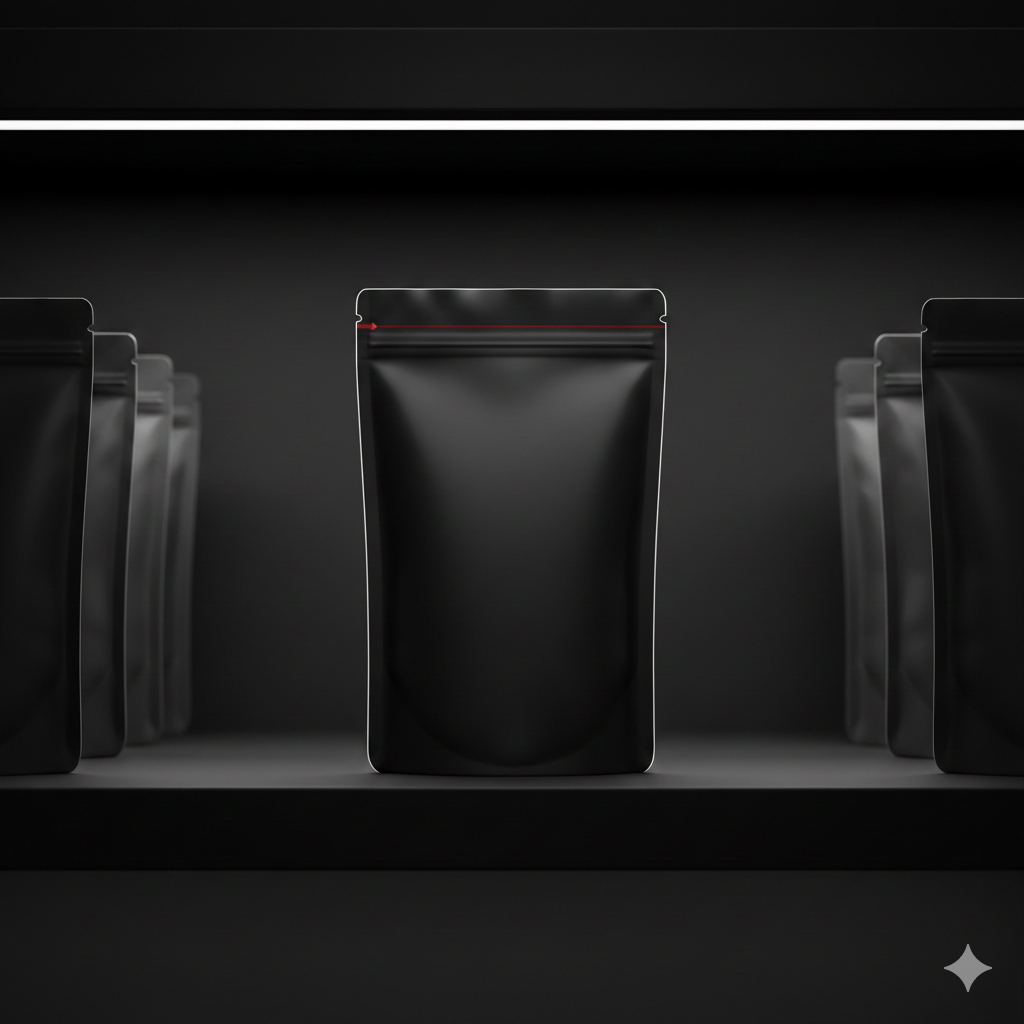
How to Design Pouches That Stand Out Fast in Retail Aisles and E‑Commerce
Shoppers don’t read a shelf—they scan it. In about three seconds, they either notice your package or move on. Eye-tracking studies show first fixation happens fast, and most consumers say packaging influences their purchase decision. That brief window determines what gets picked up or clicked.
Design for instant clarity. Lead with a bold, recognizable brand mark, then a clear SKU or flavor, and one primary benefit. If everything is loud, nothing stands out. Use size and contrast to signal priority, and move secondary claims off the main panel.
Make contrast do the work. Strong light-dark contrast and clean color blocking help your pack cut through shelf clutter. Online, where thumbnails shrink to tiny sizes, low contrast and thin details disappear. If your logo and one key claim aren’t legible at two inches or 100 pixels, they won’t perform in market.
Design for distance. From several feet away, type becomes shape. Use clean sans serifs, short three-to-five-word claims, and numerals (“12g protein,” “10 packs”) for quick comprehension. Stick to one strong hero image—multiple small visuals dilute impact.
Follow category codes—then break one rule. Snacks win with bold flavor colors and expressive imagery. Supplements rely on clean typography and trust cues. Match shopper expectations, then stand out with one intentional difference in shape, color, or claim.
Simplify to strengthen presence. Instead of muted tones, busy scripts, and multiple badges, use a saturated color block, enlarge the brand mark, and focus on one clear benefit. Cleaner hierarchy typically drives longer first glances and higher pick-up rates.
Test before you scale. Five-second tests, planogram mockups, and light eye-tracking validate what works. Lock in color standards and press profiles early so what you approve is what hits the shelf.
Attention earns the glance. Perceived quality keeps the hand on the pouch—through finishes and tactile cues like matte, gloss, soft-touch, or metallic accents that signal value without adding clutter.
How to Choose the Best Pouch Style and Features for Shelf Impact and Freshness
Shoppers may choose with their eyes, but structure and usability drive what happens next. The right pouch format reduces friction—from how it stands on shelf to how it opens, pours, reseals, and stores at home. Stand-up and flat-bottom pouches create stable, forward-facing panels that merchandise cleanly and signal quality, while spouted pouches add portability and controlled dispensing for liquids. Stick packs and sachets encourage trial with convenient, lower-commitment formats. Each structural choice shapes both shelf performance and post-purchase experience.
Features turn packaging into a functional tool. Resealable zippers preserve freshness, child-resistant closures meet regulatory needs, and tear notches or laser scoring ensure clean opening. Windows build trust by showcasing the product, while hang holes and sturdy gussets support retail display requirements. For e-commerce, durability, seal strength, and puncture resistance protect reviews and reduce returns. When structure, features, and engineering align early in development, packaging performs reliably on the shelf, on the line, and in the consumer’s hands—setting the stage for print and finish to bring it fully to life.
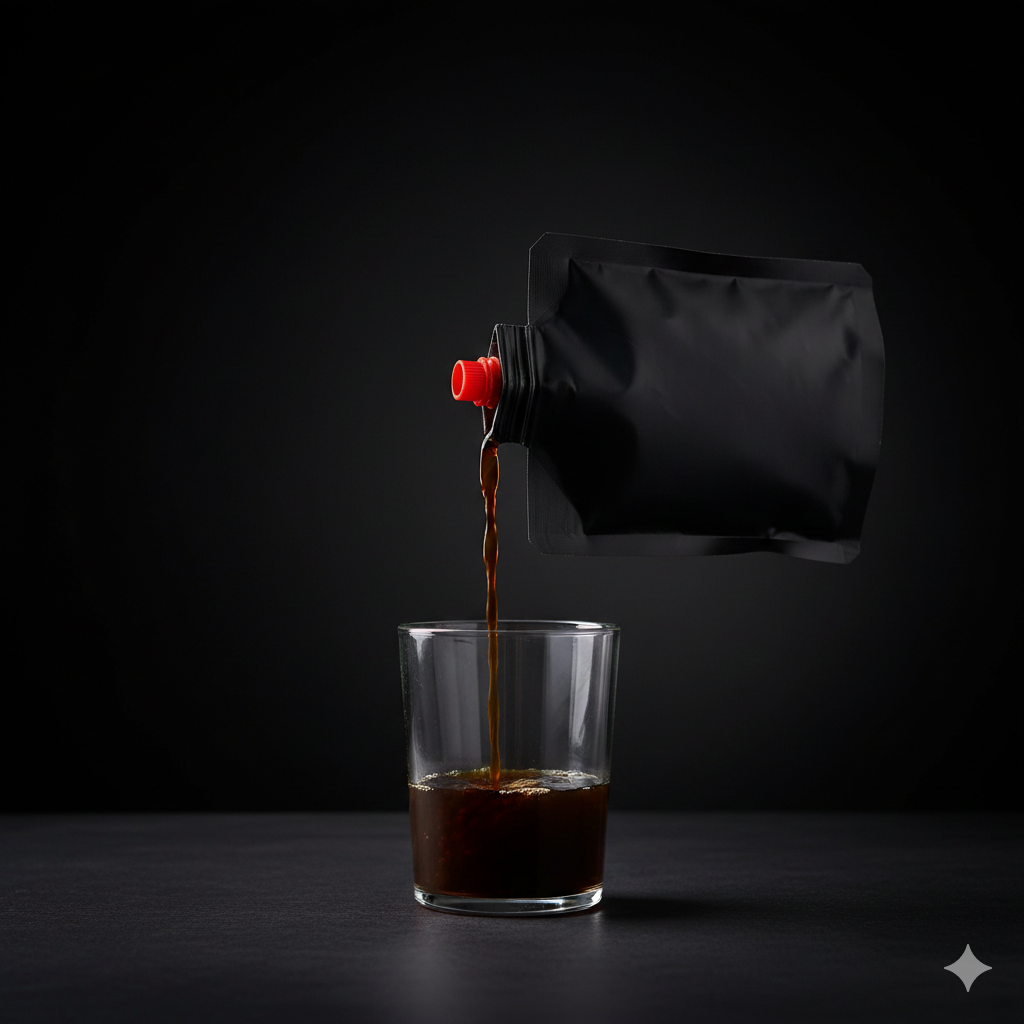
Design That Sells: Finishes, Color, and Tactile Cues That Signal Quality
Shoppers judge quality before they read a word. Finishes, color systems, and tactile coatings act as powerful price and trust cues, shaping whether a product feels premium, natural, or value-driven. In a six-week A/B test, a pet treats brand replaced a glossy, detail-heavy pouch with a soft-touch matte finish, restrained color blocking, and spot gloss accents. The updated version drew more first touches, improved perceived quality ratings, and reduced complaints about readability at shelf distance.
Finish should match category expectations: soft-touch matte often signals premium or natural, while high-gloss supports bright, impulse-driven products. Use specialty effects like spot varnish or metallics selectively to highlight brand marks or key claims—not overwhelm the design. A disciplined color system by flavor or function improves navigation across SKUs, while strong contrast ensures legibility both in-store and in thumbnails.
Tactile details and typography complete the experience. Soft-touch coatings add grip and refinement, gloss can help with moisture resistance, and durable films support real-world handling. Large numerals, clean fonts, and simplified icons speed comprehension, especially in regulated or benefit-led categories. When look and feel align with shopper expectations, packaging signals value instantly—setting the stage for structure and features to carry that promise through use and repeat purchase.
How to Choose High-Barrier Films That Keep Snacks Fresh and Customers Returning
When packaging fails to control oxygen, moisture, light, or aroma, product quality declines—flavor fades, textures change, and repeat purchases suffer. The right barrier strategy starts with matching film performance to real-world risk. Foil laminates offer near-total protection for highly sensitive products, while metallized films deliver strong barrier at lower weight and cost. Clear high-barrier structures, such as EVOH or coated films, balance protection with product visibility when shelf appeal matters. The goal isn’t the “strongest” material—it’s the right oxygen and moisture transmission rates for your true shelf-life and channel conditions.
Barrier performance also depends on structure and features. Multi-material laminations often provide maximum protection and durability, while mono-material recyclable films can meet sustainability goals when tuned to realistic time-in-market. Closures, zippers, degassing valves, and puncture-resistant layers all contribute to product integrity—especially in e-commerce and regulated categories. When barrier specs are modeled, tested, and aligned with actual distribution demands, packaging becomes more than a container—it becomes a trust engine that protects quality, reduces returns, and supports repeat sales.
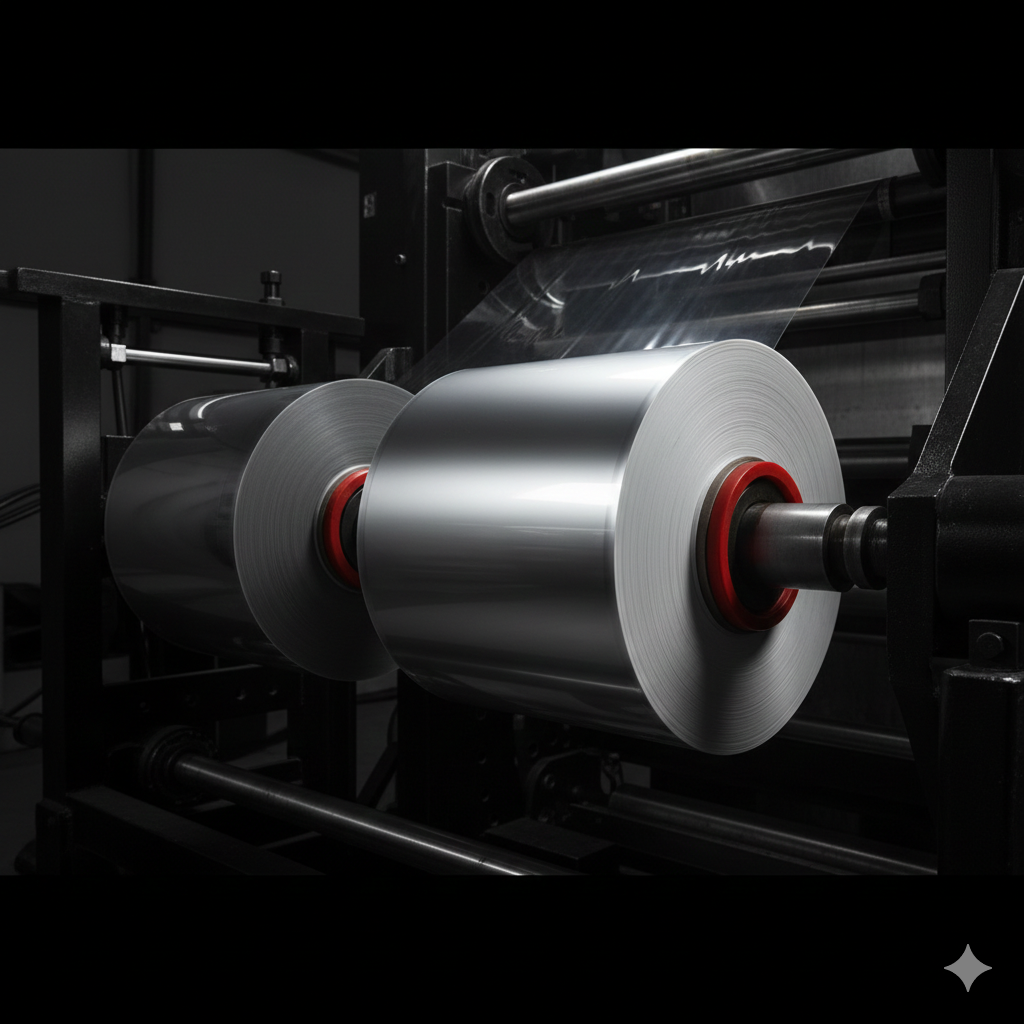
Made to Scale: When to Use Digital, Pre‑Made Pouches, or Packaging Film on a Roll
Scaling custom packaging requires planning beyond artwork—it’s about aligning print process, equipment, inventory, and timelines before volume increases. Many brands run into trouble when moving from digital pilots to flexo or gravure without designing for the eventual production path. Locking artwork too early, skipping cross-process color standards, or expanding SKUs without governance can lead to costly plate changes, color drift, excess inventory, and missed retailer deadlines. Establish master dielines, measurable color targets, and a controlled SKU architecture early so growth doesn’t create complexity.
Operational alignment is just as critical. Pouch specs must match co-packer equipment to avoid seal failures, downtime, or scrap, and MOQs and lead times shift significantly between digital and plate-based printing. E-commerce also adds durability demands that retail packs may not meet without testing. Auditing equipment, validating seal strength and transit performance, and staging timelines by production method ensure a smooth transition from pilot to national rollout—protecting margins, quality, and launch schedules as volume scales.
Sustainability that Sells: Make Pouches Greener Without Losing Performance
Sustainability isn’t a brand tax—it’s a sales lever when done strategically. The biggest environmental gains often come from using less material and extending product freshness, not simply switching to paper or compostable substrates. Flexible pouches typically reduce transport emissions and material use compared to rigid formats, and strong barrier protection prevents waste, which delivers meaningful environmental impact. Shoppers also reward clear, credible guidance—like recycling labels, PCR content, and disposal instructions—when it’s communicated simply on-pack. The key is specifying the lightest structure that protects the product, aligning barrier to real shelf-life needs, and measuring outcomes like freshness complaints and freight efficiency—proving sustainability and sell-through can work together.
How to Test Packaging and Prove Sales Impact, Step by Step
Packaging should be treated as a performance channel you can test, measure, and refine—not a one-time decision. Track unit velocity, planogram position, and matched-store A/B tests in retail, and monitor click-through rates, conversion, and return reasons online to isolate packaging impact. Layer in quality metrics like seal failures, leaker rates, and stales to connect material and closure decisions directly to repeat purchase and margin performance.
Build a fast learning loop with press-accurate prototypes, short digital print runs, and controlled regional tests before scaling. Use eye-tracking, transit testing, and serialized QR or GS1-enabled codes to validate creative, durability, and post-purchase engagement. As retailers raise expectations around sustainability and transparency, brands that run packaging on a quarterly test-and-optimize cadence—tying creative, materials, and print decisions to measurable KPIs—will move from assumptions to proven revenue impact.

Talk to a Custom Packaging Expert Today
Packaging is a profit driver that shapes purchase decisions in seconds; with Red Dot, structure, materials, print, and features work together to command attention and earn repeat buys. Our high‑barrier films protect freshness and integrity, while premium finishes and precise printing uphold your brand standard; scalable runs—from digital to rollstock—keep costs aligned as SKUs and volumes grow. And with recyclable, PCR, and compostable options, you can meet sustainability commitments without tradeoffs in performance. If you’re ready to make packaging a strategic asset, request a free consultation, a custom quote, or material and finish samples from Red Dot Packaging to chart the right path in custom packaging.
You’ve mapped out barrier needs, sustainability goals, and how the pack must run on your equipment—the next step is turning those decisions into custom packaging that’s proven in production and ready for shelf. Locking in the right structure and print early helps you avoid line slowdowns, out-of-spec seals, and missed launch dates.
Red Dot builds flexible pouches and printed rollstock in the U.S., with in-house digital, flexographic, and rotogravure printing, high-barrier and child-resistant options, and recyclable, PCR, and compostable materials. Our technical team will translate your requirements into a dialed-in spec and samples that run right the first time. Share your format, volumes, and timeline, and get a quote.
FAQ’s
Q: What’s the best type of pouch to keep snacks fresh and stand out on the shelf?
A: For most snacks, a stand-up or flat-bottom pouch with a resealable zipper pairs strong shelf presence with everyday usability. Use high-barrier films—foil laminates for maximum protection or metallized or clear high-barrier (EVOH or coated) if you want a window—to control oxygen and moisture. Keep design simple and high-contrast so the brand mark and one key claim are readable from several feet and in small thumbnails. A soft-touch matte with selective gloss can signal quality without clutter.
Q: Where can I order custom stand-up pouches with quick turnaround and low minimums?
A: Red Dot Packaging runs short digital print batches in the U.S., which supports fast lead times and lower MOQs for pilots or regional tests. As volume grows, they can transition artwork to flexographic or rotogravure for lower per-unit costs. You can request samples, provide your format and volumes, and get a quote aligned with your timeline.
Q: How do I choose the right pouch size and features like zippers or spouts for a new product?
A: Start with product density, fill weight, and required headspace to size the pouch correctly. Match features to the use case:
- Standard or child-resistant zippers for reseal
- Tear notches or laser scoring for clean opening
- Windows for product visibility
- Hang holes for retail display
- Spouts for liquids or controlled dispensing
Confirm your co-packer’s equipment can seal and fill the selected specification. Run mock fills and transit tests before committing to full production volume.
Q: I need child-resistant bags for edibles or gummies. What should I buy?
A: Choose certified child-resistant pouches with compliant closures, such as CR-rated press-to-close zippers or locking mechanisms, and include clear opening instructions. Use high-barrier films to control moisture and aroma, and size the pouch to accommodate product count and any required warnings or regulated graphics. Red Dot offers child-resistant options and can align materials and print with compliance and operational needs.
Q: Should I use ready-made pouches or packaging film on a roll?
A: Pre-made pouches fit lower volumes, frequent artwork changes, and faster launches with simpler line setups. Rollstock is ideal for form-fill-seal lines at higher volumes where tighter cycle times and lower unit costs matter. Factor in MOQs, lead times, co-packer capabilities, and your print path—digital for testing and flexographic or rotogravure for scale. Plan dielines and color standards early so artwork transfers cleanly between formats.
Q: How much does custom printed flexible packaging cost per unit?
A: Unit cost depends on:
- Size
- Material structure and barrier level
- Closures and fitments
- Finishes
- Print method
- Order volume
Digital printing avoids plates and works well for small runs but carries a higher per-unit price. Flexographic and rotogravure printing reduce costs at scale but require plates or cylinders. Share your exact specifications, volumes, and production cadence to receive precise pricing from Red Dot.
Q: What are the most recyclable or eco-friendly pouch options that still protect food well?
A: Mono-material recyclable PE films can perform well when engineered with realistic oxygen and moisture barriers for your required shelf life. PCR content can reduce virgin resin use, and compostable options may fit short shelf-life products with controlled distribution. The key is specifying the lightest structure that still meets actual protection needs and validating with shelf-life and transit testing. Track freshness complaints and returns to confirm performance in market.
Q: Who can do short-run custom pouches for a test launch?
A: Red Dot produces short-run, press-accurate digital pouches and prototypes in the U.S., helping brands validate before scaling. They can support five-second tests, planogram mockups, and small market pilots, then migrate artwork to flexographic or rotogravure printing for national rollout. This approach reduces inventory risk while maintaining color and specification continuity across print processes.
Q: What packaging works best for liquids like sauces or drinks without leaking?
A: Spouted pouches with robust seals and puncture-resistant films provide controlled dispensing and reliable containment. Prioritize seal strength, fitment compatibility with your filler, and transit durability, especially for e-commerce distribution. Use high-barrier structures if oxygen, moisture, or light exposure affects taste or stability. Validate with drop, pressure, and shipping tests before scaling production.
Q: How do I make sure my pouch colors match my brand across every size and order?
A: Establish master dielines, Pantone or LAB targets, and cross-process color standards that translate across digital, flexographic, and rotogravure printing. Use calibrated press profiles, drawdowns, and signed color standards so approvals match production output. Keep artwork simple at small sizes and maintain a controlled SKU architecture to avoid unnecessary color drift. Red Dot manages print across processes and can maintain measurable tolerances from order to order.