

What Packaging Works Best for Frozen Food Brands? A Guide to Frozen Food Flexible Packaging
Learn which frozen food flexible packaging formats and materials perform best. Compare barrier, sealing, sustainability, and printing needs for frozen SKUs.
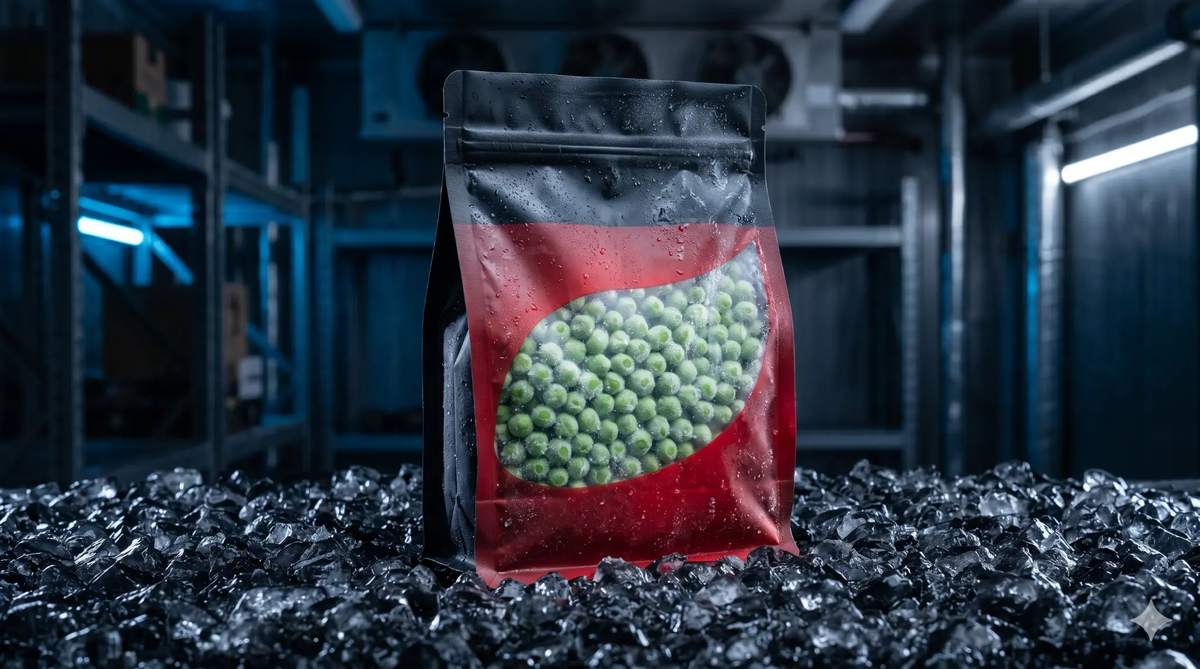
The frozen aisle presents one of the most rigorous and unforgiving environments for any product, making packaging decisions a critical driver of product quality, waste reduction, and shelf impact. Unlike ambient or chilled categories, frozen food flexible packaging must survive subzero temperatures, repeated freeze and thaw cycles, and abrasion from sharp ice crystals without compromising seal integrity or graphic appeal. When brands choose the right flexible formats and materials, they can balance performance, sustainability, and cost effectively, ensuring their products stand out in a crowded marketplace while delivering the freshness consumers expect.
In the frozen environment, materials undergo significant physical and chemical stress. Subzero temperatures can cause standard plastics to become brittle, leading to flex cracking or catastrophic failure during distribution and handling. Furthermore, moisture migration and oxygen ingress can result in freezer burn, lipid oxidation, and a significant loss of nutritional value and flavor profile. Key performance attributes for frozen food flexible packaging include precise oxygen transmission rates (OTR) and moisture vapor transmission rates (MVTR), which must be carefully calibrated to the specific needs of the product. Puncture resistance is vital to withstand the sharp edges of individually quick frozen (IQF) products, which can act like tiny daggers against the film. Additionally, hot tack and low-temperature seal strength ensure that bags do not burst when dropped or subjected to the heavy compression of palletization, while the coefficient of friction (COF) dictates machinability on high-speed lines, preventing jams and ensuring smooth operations. Anti-fog properties and cold-crack resistance are equally essential for maintaining clarity and structural integrity, allowing consumers to see the product clearly without the obscuring effects of condensation or frost.
How Can Brands Prevent Common Packaging Failure Modes In The Freezer Case?
To maintain product integrity and brand reputation, manufacturers must actively prevent common failure modes such as seal leaks, zipper failures, panel cracks, window haze, ink scuffing, and condensation-related label legibility issues. These failures not only lead to product spoilage and food waste but also damage consumer trust and can result in costly retailer chargebacks. For example, a pouch designed for IQF vegetables might split at the gusset corners if the film lacks adequate puncture resistance or if the seal was compromised during the packaging process due to improper temperature settings. By specifying films that meet rigorous ASTM standards for tear and puncture resistance, manufacturers can mitigate these risks and ensure their frozen food flexible packaging performs flawlessly from the production line to the consumer's freezer.
Implementing a robust quality assurance program that includes regular testing of seal strength, drop resistance, and material flexibility at subzero temperatures is crucial. Brands should work closely with their packaging suppliers to understand the specific limitations of different film structures and to develop custom solutions that address their unique vulnerabilities. For more insights into optimizing your packaging materials and understanding the nuances of film performance, explore our comprehensive guide on flexible packaging films.
Which Core Flexible Packaging Formats Dominate The Frozen Food Aisle?
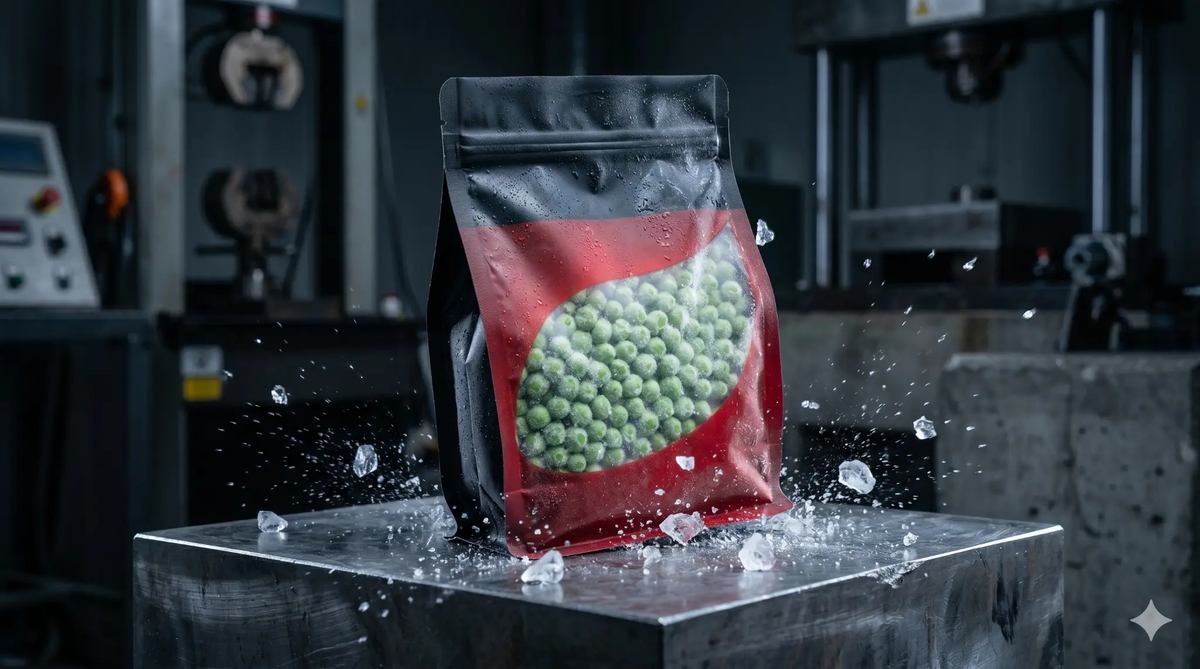
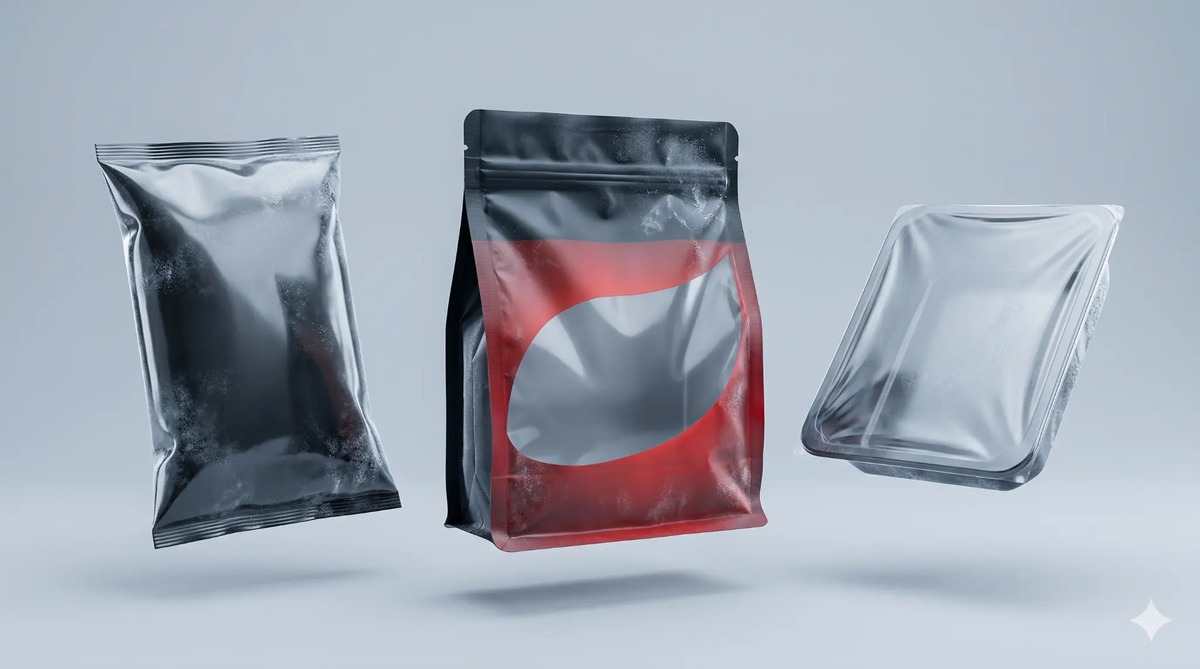
The frozen aisle utilizes a variety of flexible packaging formats, each tailored to specific product needs, consumer preferences, and operational constraints. Stand-up pouches, both with and without resealable zippers, have become increasingly popular due to their excellent billboard space, which allows for vibrant graphics and branding, and their consumer convenience. Pillow bags, often produced on Vertical Form Fill Seal (VFFS) machines, provide a high-speed, cost-efficient solution ideal for particulates like peas, berries, or diced potatoes. Flow-wrapped trays or multi-packs, utilizing Horizontal Form Fill Seal (HFFS) equipment, are common for baked goods, novelties, and delicate items that require structural support to prevent crushing.
Other specialized formats include steam-in-bag pouches, which feature micro-perforations or engineered valves that allow consumers to cook the product directly in the microwave, offering unparalleled convenience. Lidding films applied over rigid trays are essential for ready meals, providing a secure seal that can be easily peeled back by the consumer. Vacuum skin lidding is also gaining traction for premium seafood and proteins, offering superior product visibility, minimizing frost build-up, and extending shelf life by removing oxygen from the package.
What Are The Pros And Considerations For Each Frozen Packaging Format?
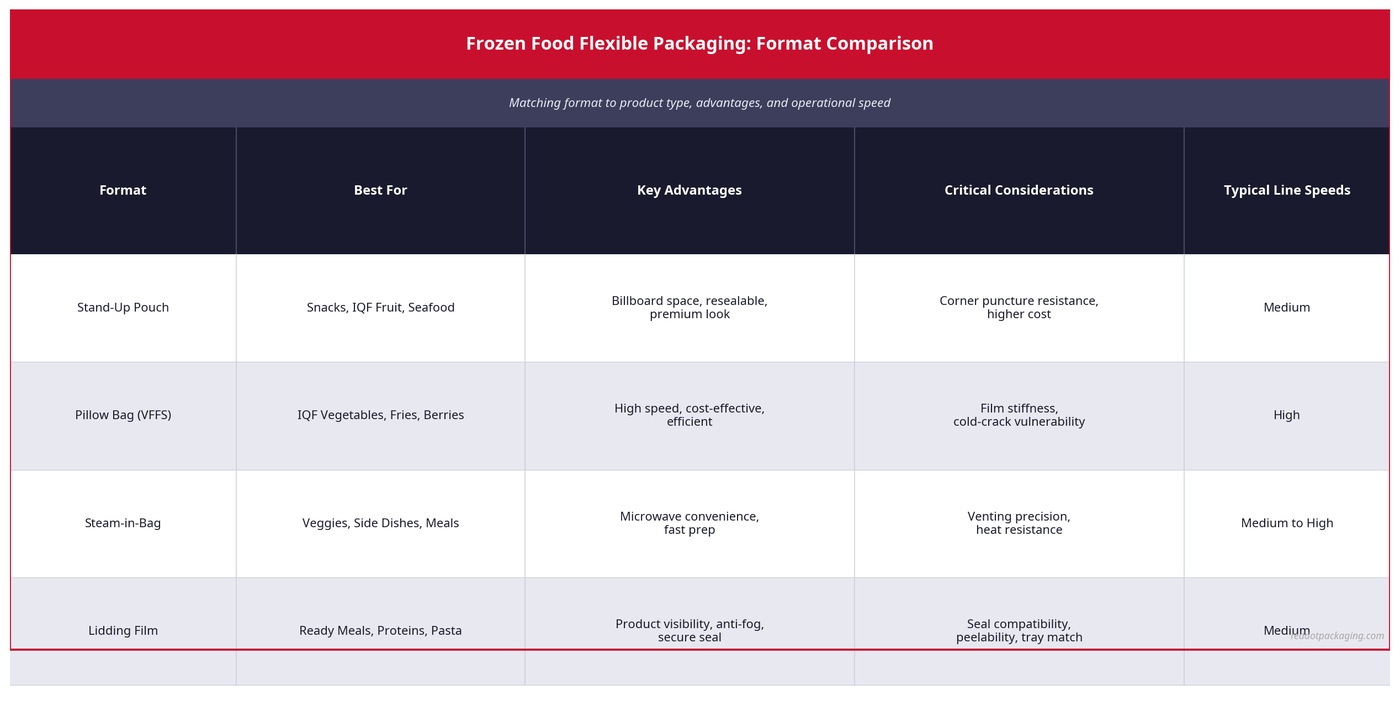
Understanding the advantages and limitations of each format is crucial for optimal selection and ensuring the packaging aligns with the product's characteristics and the brand's operational capabilities.
- Stand-up pouches: These provide premium shelf presence, allowing the product to stand upright and attract consumer attention. The inclusion of resealable zippers makes them ideal for multi-serve items, enhancing consumer convenience and reducing food waste. However, they require careful design to ensure abuse resistance at the corners, where the material is folded and most vulnerable to cracking or puncturing. Discover more about the versatility and customization options available with custom stand-up pouches.
- Pillow bags (VFFS): Highly efficient for high-volume IQF produce, pillow bags offer a cost-effective solution with excellent throughput on automated lines. However, brands must consider film stiffness to prevent the bag from collapsing or tearing during transit and storage. The choice of film must balance flexibility with structural integrity. Learn about the differences and operational considerations in our VFFS vs HFFS custom packaging post.
- Steam-in-bag formats: These offer exceptional consumer convenience, aligning with the growing demand for quick and easy meal solutions. The critical consideration is ensuring the film's heat resistance and precise vent control to prevent bursting during microwaving while allowing enough steam to build up to cook the product evenly.
- Lidding films: Essential for ready meals, these require perfect seal-to-tray compatibility to prevent leaks and ensure food safety. Anti-fog clarity is crucial for product visibility, and brands must choose between peelable seals for easy access or weld seals for maximum security, depending on the application and consumer expectations.
How Does Material Structure And Barrier Science Impact Frozen Food Preservation?
The foundation of effective frozen food flexible packaging lies in its material structure, which must be engineered to provide the necessary physical protection and chemical barriers. Common film structures include polyethylene (PE) mono-materials, which are increasingly popular for their recyclability and alignment with circular economy goals. Coextruded PE/EVOH/PE structures provide exceptional oxygen barriers, crucial for preventing lipid oxidation in fatty foods. PET/PE laminations offer superior stiffness, heat resistance, and printability, making them a versatile choice for many applications. For products highly sensitive to light and oxygen, such as certain premium proteins or specialized ingredients, metallized films or aluminum foil laminations are utilized to provide an absolute barrier.
Choosing the right structure involves balancing trade-offs among barrier properties, stiffness, puncture resistance, printability, and recyclability pathways. For instance, while a PET/PE lamination might offer excellent graphics and rigidity, making it attractive on the shelf, a PE mono-material is more aligned with modern sustainability goals and consumer expectations for eco-friendly packaging. Understanding these nuances is essential for creating packaging that protects the product while meeting brand objectives and environmental commitments. Read more about the science behind these materials and how to choose the right combination in our detailed article on film laminate structure.
When Should Brands Prioritize Oxygen Barrier Versus Moisture Barrier?
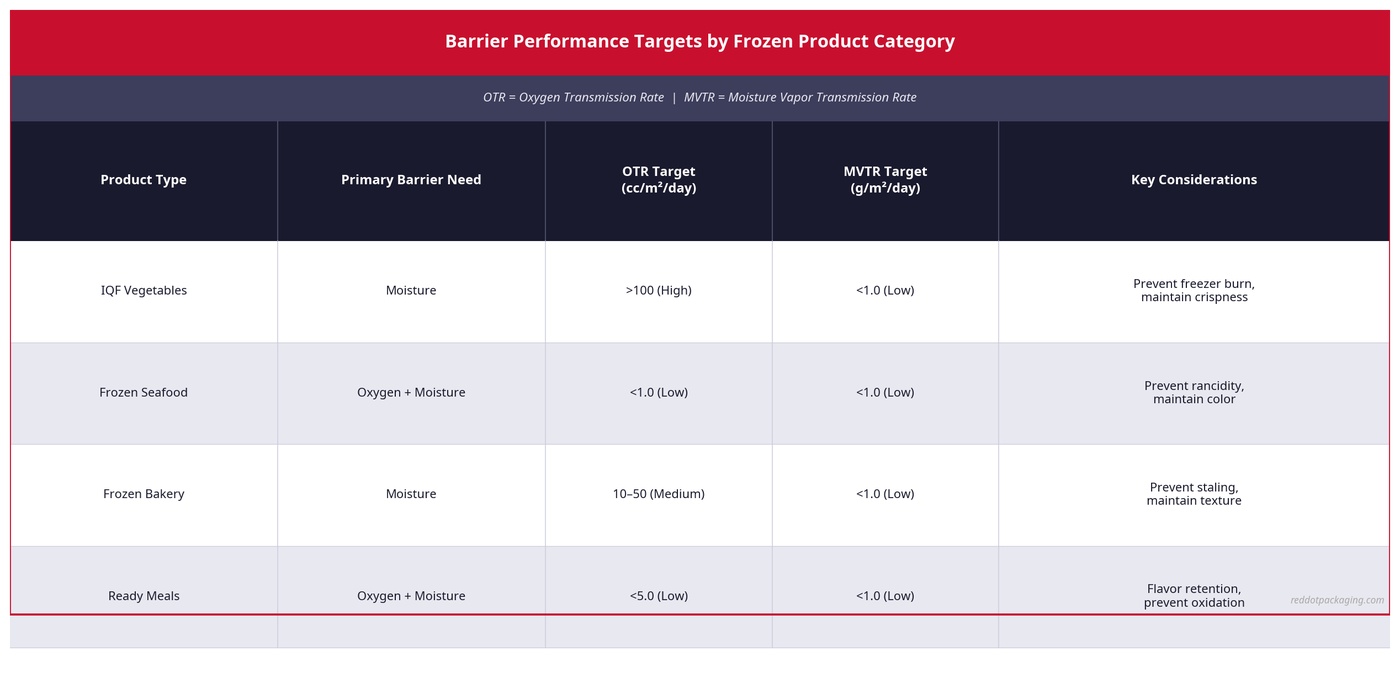
The specific chemical composition and degradation pathways of the frozen product dictate whether an oxygen or moisture barrier is paramount. IQF produce, such as peas, corn, and berries, and bakery items generally prioritize a high moisture barrier to prevent freezer burn, which occurs when moisture sublimates from the food surface, leaving it dry and unappealing. Maintaining the moisture content is critical for preserving texture, weight, and overall quality.
Conversely, seafood, fatty meats, and certain prepared meals require a robust oxygen barrier to mitigate lipid oxidation, rancidity, and flavor degradation. Oxygen exposure can cause fats to break down, resulting in off-flavors and odors that ruin the consumer experience. Selecting the appropriate barrier ensures the product maintains its intended quality, flavor profile, and nutritional value throughout its shelf life. Learn more about protecting your products from environmental factors with barrier films.
How Do Sealant Layers Enhance Low-Temperature Packaging Performance?
Sealant layers are the unsung heroes of flexible packaging, engineered to perform under extreme conditions and ensure the integrity of the final package. High hot tack is necessary to hold the seal together immediately after the heat source is removed, which is especially important in high-speed VFFS applications where the heavy product drops into the bag mere fractions of a second after the seal is formed. If the hot tack is insufficient, the seal will fail, leading to product spillage and line downtime.
The sealant must also be capable of sealing through contamination, such as frost, ice crystals, or product particulates (like crumbs or juices), without compromising the integrity of the seal. Furthermore, specific jaw temperature windows must be established to ensure consistent sealing without burning or melting the film. The addition of anti-block and slip agents to the sealant layer improves runnability in cold, humid packing rooms, reducing friction between the film and the packaging machinery, and preventing jams that can disrupt production.
What Factors Determine Sealing, Resealability, And Pack Integrity At Subzero Temperatures?
Maintaining pack integrity in the freezer requires a deep understanding of sealing dynamics and the physical behavior of materials at subzero temperatures. Seal reliability is determined by a complex interplay of film thickness, dwell time (the amount of time the sealing jaws are closed), sealing pressure, and the film's ability to handle contamination from frost or particulates. The design of the gusset also plays a critical role; complex folds or multiple layers of film can create weak points susceptible to leaking or bursting under pressure.
When incorporating reseal features like zippers or sliders, brands must select profiles specifically rated for cold flex. Standard zippers, which perform perfectly well at room temperature, can become brittle and shatter at subzero temperatures, frustrating consumers and compromising the product's remaining shelf life. Additionally, the impact of zipper insertion on VFFS or HFFS line speeds must be carefully evaluated to maintain operational efficiency and throughput.
How Can Packaging Engineers Design For Maximum Abuse Resistance?
Designing for abuse resistance involves a proactive approach to mitigating puncture and tear risks, particularly at vulnerable points like gussets and seal fold-overs. Choosing the correct corner radius can significantly reduce the likelihood of the pouch puncturing adjacent packages during transit or when packed tightly in a freezer case. Sharp, 90-degree corners are more prone to acting like blades against other packages, whereas rounded corners distribute the force more evenly.
Engineers rely on standardized testing protocols to validate a film's ability to withstand the rigors of the frozen supply chain. Dart drop tests measure the film's resistance to impact, simulating the forces experienced when a package is dropped or struck by a sharp object. Elmendorf tear tests evaluate the force required to propagate a tear, ensuring that a small nick or cut doesn't result in catastrophic failure. By designing with these metrics in mind, brands can significantly reduce product loss and ensure their packaging survives the journey from the plant to the plate.
What Are The Best Practices For Integrating Easy-Open And Portioning Features?
Modern consumers demand convenience, making easy-open and portioning features essential components of successful frozen food flexible packaging. Techniques such as laser scoring, tear notches, and micro-perforations provide easy access, allowing consumers to open the package without the need for scissors or knives. However, these features must be carefully calibrated to balance ease of opening with freezer integrity.
If a laser score is too deep, it may compromise the barrier layers, allowing moisture or oxygen to penetrate the package, or it may lead to premature tearing during handling and distribution. Conversely, if the score is too shallow, the consumer will struggle to open the package, leading to frustration. Portioning features, such as internal compartments or specialized zippers, allow consumers to use only what they need and safely store the rest, reducing food waste and enhancing the value proposition of the product.
Recommended Integrity Test Plan:1. Drop Testing: Simulates handling impacts at subzero temperatures, evaluating the package's ability to survive falls from various heights and angles.2. Compression Testing: Evaluates the package's ability to withstand stacking weight during palletization and storage, ensuring seals do not burst under pressure.3. Burst Testing: Measures the overall seal strength and material integrity by inflating the package until it fails, identifying the weakest points in the design.4. Vacuum Leak Testing: Identifies microscopic seal failures or pinholes by submerging the package in water under a vacuum, allowing any escaping air to be easily detected.
How Can Brands Ensure Printing, Color, And Readability Survive The Freezer Case?
The visual appeal of frozen food flexible packaging is its primary marketing tool, and it must survive harsh conditions to remain effective. Inks and varnish systems must be specially formulated to resist scuffing during distribution, where packages constantly rub against each other and the corrugated shippers. Furthermore, they must withstand the condensation that inevitably forms when products transition between temperature zones, such as moving from a cold storage facility to a warmer retail environment, or from the grocery store to the consumer's home.
Achieving color accuracy, especially on darker products or clear films, often requires high-opacity white ink as a base layer to ensure the graphics pop and remain vibrant. Brands must also choose between matte and gloss finishes, considering how shelf glare from the bright lighting in the freezer case will affect consumer perception. A high-gloss finish might look premium but could reflect too much light, making the text difficult to read. Explore our printing options to see how we can bring your brand to life with durable, high-quality graphics.
Transparency and window features require special attention. Anti-fog coatings are critical to control haze and ensure the product remains visible, as consumers often want to see the quality of the food before purchasing. The impact of cold-case lighting on legibility must also be evaluated to guarantee that nutritional information, cooking instructions, and branding remain clear and compelling under various lighting conditions.
What Graphic Design Strategies Withstand Condensation And Frost?
Graphic design for frozen packaging must account for the physical realities of the freezer environment. Font sizes should be large enough to remain legible even when partially obscured by frost or condensation. High-contrast color palettes improve readability under harsh lighting and ensure that key information stands out. Critical information, such as lot codes, expiration dates, and allergen warnings, should be placed strategically outside of primary condensation zones, which are typically located in the center of the package panels.
These essential details must be printed with durable, low-temperature inks that will not smear or fade when exposed to moisture. We strongly recommend conducting rigorous before and after print legibility testing under simulated cold and humid conditions to validate the design and ensure that the brand message remains clear and professional throughout the product's lifecycle. Check out our guide on branding food packaging for more design tips and strategies to maximize shelf impact.
What Are The Most Viable Sustainability Pathways For Frozen Flexible Packaging?
Sustainability is no longer a niche concern; it is a growing priority for consumers, retailers, and regulators, and the frozen food sector is adapting rapidly. Practical options for improving the environmental footprint of frozen packaging include the transition to mono-material PE structures. These structures are designed for store drop-off recycling programs or emerging curbside acceptance programs, offering a clear end-of-life pathway that multi-material laminations lack.
The incorporation of Post-Consumer Recycled (PCR) content is another highly viable pathway, reducing reliance on virgin plastics and supporting the circular economy. Downgauging, or using thinner films, can significantly reduce overall material usage and transportation emissions, but it must be achieved using advanced, reinforced puncture layers to maintain the necessary abuse resistance. For more on eco-friendly options and innovative materials, read about our compostable stand-up pouches.
Navigating these sustainability pathways requires acknowledging and managing inherent trade-offs. Thinner films may compromise abuse resistance, leading to increased product damage and food waste. Similarly, the need for a high oxygen barrier (often requiring materials like EVOH, which can complicate recycling streams) must be balanced against the desire for a fully recyclable package. Ultimately, the primary goal of packaging is to protect the product and prevent food waste, which has a significantly higher environmental impact in terms of lost resources (water, energy, land) than the packaging itself.
How Does Lifecycle Thinking Influence Frozen Packaging Formats?
Lifecycle thinking mandates that product protection remains the absolute foremost priority. A highly recyclable package that fails to protect the food, resulting in spoilage or freezer burn, results in a net negative environmental impact due to the massive amount of resources lost in the spoiled product. Brands should model scenarios where improved abuse resistance, even if it requires a slightly thicker or less easily recyclable film, reduces returns and food waste. This holistic approach demonstrates that sometimes a more robust package is the more sustainable choice in the broader lifecycle context, emphasizing the importance of balancing material sustainability with functional performance.
How Should Brands Select The Right Packaging For Specific Frozen Products?
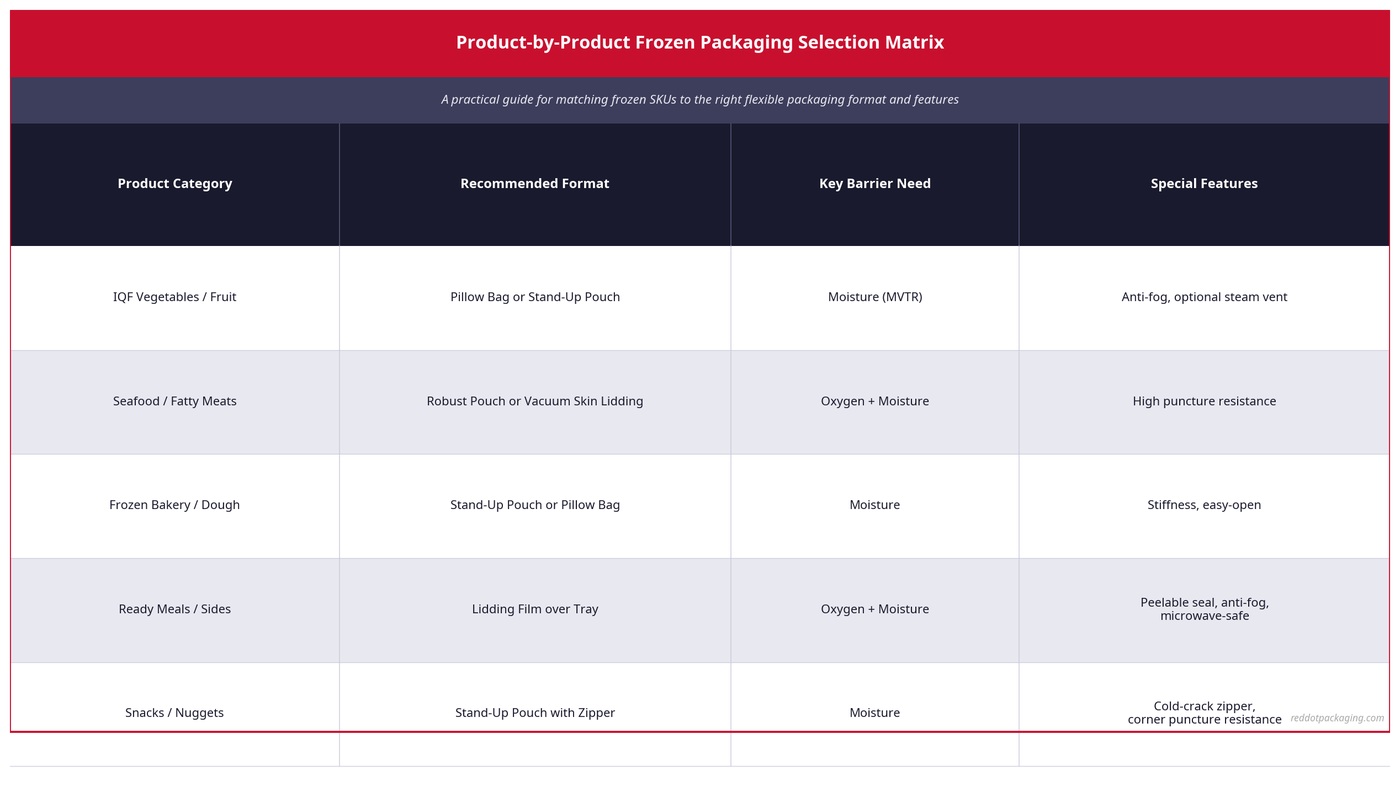
Selecting the optimal frozen food flexible packaging is not a one-size-fits-all endeavor. It requires a structured, analytical approach that matches the specific chemical and physical needs of the SKU to the appropriate format, material structure, and features.
- IQF Vegetables and Fruit: These products typically utilize pillow bags or stand-up pouches. A strong moisture barrier is essential to prevent dehydration and freezer burn. Steam-in-bag features are highly desirable for vegetables, offering consumer convenience, and anti-fog coatings are absolutely necessary if the package includes a clear window to showcase the product's freshness.
- Seafood and Fatty Meats: These items require enhanced puncture resistance due to sharp edges like shells, fins, or bones. They also demand a robust oxygen barrier to prevent lipid oxidation, which causes rancidity and off-flavors. Heavy-duty lidding films or highly robust, multi-layer pouches are recommended to ensure product integrity. See our specialized solutions for meat packaging.
- Bakery and Dough: Frozen baked goods demand a strong moisture barrier to prevent drying out and staling, along with sufficient film stiffness to prevent the product from being crushed during transit or storage. Easy-open features and resealability enhance the consumer experience, allowing them to use only what they need.
- Ready Meals and Sides: These products rely heavily on lidding films with peelable seals for easy access. Anti-fog clarity is crucial for appetite appeal, allowing the consumer to see the meal clearly. The materials must offer microwave or oven resistance for heat-in-pack convenience, requiring specialized heat-resistant polymers.
- Snacks and Nuggets: Often packaged in stand-up pouches, these products benefit from cold-crack resistant zippers for portioning and maintaining freshness after opening. Puncture resistance at the corners is vital to survive distribution and handling without leaking crumbs or grease.
How Do Operations, Machinability, And Total Cost-In-Use Affect Packaging Decisions?
The theoretical success of a frozen food flexible packaging design is ultimately proven—or disproven—on the production line. Film COF (Coefficient of Friction) must be meticulously optimized for high-speed VFFS and HFFS equipment to prevent jams, ensure smooth tracking, and maximize throughput. Jaw temperature windows must be carefully managed in cold rooms to ensure consistent, hermetic seals, especially when sealing through frost or condensation that may have formed on the film or product.
The addition of features like zipper insertions or tear notches can impact Overall Equipment Effectiveness (OEE), requiring careful calibration and potentially slowing down line speeds. Furthermore, proper storage practices for rollstock are essential. Films must be allowed to acclimate to the packing room temperature to avoid condensation forming on the roll before it even reaches the machine, which can ruin print quality and compromise seal integrity.
When evaluating cost, brands must look far beyond the initial price per impression or the cost per pound of film. Total cost-in-use encompasses packaging waste (scrap generated during setup or running), rework (repackaging products due to failed seals), product giveaway (overfilling due to inconsistent bag sizes or filling mechanisms), and transit damage (returns and unsellable goods). A cheaper film that causes frequent line stoppages, requires constant adjustment, or results in high return rates is ultimately much more expensive than a premium film that runs flawlessly. For deep insights on managing these costs and understanding the true economics of packaging, review our comprehensive article on how much does custom packaging cost.
What Trial And Validation Protocols Guarantee Packaging Success?
Rigorous trial and validation protocols are the only reliable way to de-risk a packaging launch and ensure that the chosen solution performs as expected in the real world. This process must include pilot runs on actual production equipment, not just laboratory sealers. It requires comprehensive distribution simulation, including drop, vibration, and compression testing, to mimic the harsh realities of the supply chain. Extended freezer dwell studies are necessary to evaluate long-term barrier performance and material stability. Finally, consumer use testing ensures that the package is intuitive, easy to open, and meets user expectations. Meticulous specification documentation and change control processes ensure that the validated structure is consistently delivered by the supplier, batch after batch.
Factory Acceptance Test (FAT) & On-Line Validation Checklist:* [ ] Verify film COF matches specifications under actual operating conditions.* [ ] Confirm sealing jaw temperatures and dwell times produce hermetic seals without burning.* [ ] Test seal strength immediately off the line (hot tack) to ensure it can withstand the product drop.* [ ] Conduct water bath leak tests on finished pouches to identify any microscopic failures.* [ ] Verify lot code and graphic legibility after extended condensation exposure.* [ ] Confirm zipper/slider functionality and ease of use at both room and subzero temperatures.
Conclusion
In the complex and demanding world of frozen food flexible packaging, there is no single "best" pack. The optimal fit depends entirely on a delicate balance of the product's unique chemistry, its risk of abuse during distribution, the specific retail channel, graphic and branding requirements, and the brand's overarching sustainability goals. The decision hierarchy must always start with product protection and operational realities—if the package fails to protect the food or run efficiently on the line, all other features are irrelevant. Once those foundational needs are met, brands can optimize materials, features, and graphics to maximize shelf impact and consumer appeal.
We encourage all brands to build cross-functional specifications involving R&D, packaging engineering, QA, and operations from the very beginning of the project. Conduct rigorous line and distribution trials before scale-up to ensure your frozen food flexible packaging delivers quality, shelf impact, and operational efficiency. For more detailed guidance, expert advice, and comprehensive resources, explore our insights on custom packaging.
Frequently Asked Questions (FAQs)
What Is Frozen Food Flexible Packaging And How Does It Differ From Ambient Packaging?
Frozen food flexible packaging is specifically engineered to withstand the extreme conditions of the freezer aisle, including subzero temperatures, freeze-thaw cycles, and the sharp edges of frozen products. Unlike ambient packaging, which may only need to provide basic protection and branding, frozen packaging requires specialized sealants that perform in cold, humid environments, materials that resist cold-cracking and brittleness, and barriers optimized specifically to prevent moisture loss and freezer burn. Learn more about the foundational differences in our what is flexible packaging guide.
Which Film Structures Are Most Effective At Preventing Freezer Burn?
To effectively prevent freezer burn, packaging must possess an excellent moisture barrier. Film structures utilizing thick layers of Polyethylene (PE) or laminated structures incorporating PET (Polyethylene Terephthalate) are highly effective at blocking moisture vapor transmission. By keeping the moisture inside the package, these structures keep the product hydrated and prevent the sublimation of ice crystals from the food's surface, which is the primary cause of freezer burn.
Are Mono-Material PE Pouches Suitable For All Frozen Foods?
While mono-material PE pouches are excellent for many frozen applications—particularly IQF fruits and vegetables—due to their recyclability and strong moisture barrier, they are not a universal solution. They may not provide sufficient oxygen barrier for highly sensitive items like fatty fish, premium meats, or certain prepared meals. For these products, specialized coatings or coextruded barrier layers like EVOH are often required to prevent oxidation. Explore our diverse pouch styles to find the perfect fit for your specific product needs.
Do Frozen Vegetables Require An Oxygen Barrier Or Just A Moisture Barrier?
Most standard frozen vegetables primarily require a strong moisture barrier to prevent freezer burn and weight loss during storage. Because the freezing process itself significantly slows down enzymatic and oxidative degradation, a high-level oxygen barrier is often unnecessary. This allows brands to use more cost-effective and potentially recyclable PE-based structures, optimizing both performance and sustainability.
How Thick Should Frozen Pouches Be To Ensure Adequate Puncture Resistance?
The required thickness of a frozen pouch depends heavily on the physical characteristics of the product. Smooth items like peas or corn might only need a 2 to 3 mil film. However, sharp, bone-in meats, heavily crusted IQF items, or products with rigid edges may require 4 to 6 mil structures or specialized puncture-resistant laminations to survive distribution without leaking or tearing. For more detailed information on material thickness and specifications, see our gauge to microns flexible packaging conversion guide.
Are Steam-In-Bag Pouches Safe For Consumers, And How Do The Vents Work?
Yes, steam-in-bag pouches are incredibly safe and highly convenient for consumers. They utilize specialized heat-resistant films and engineered venting systems—typically either micro-perforations or pressure-sensitive valves. As the product heats in the microwave and creates steam, the internal pressure builds until it safely releases through the vents. This process cooks the food evenly and quickly without the risk of the bag bursting.
What Anti-Fog Options Exist For Clear Windows And Lidding Films In The Freezer?
Anti-fog properties are essential for maintaining product visibility in the freezer. These are achieved either through specialized coatings applied to the surface of the film or through additives blended directly into the polymer matrix during the extrusion process. These treatments work by reducing the surface tension of water, causing condensation to form as a continuous, thin, transparent film rather than opaque, individual droplets, ensuring the product remains clearly visible to the consumer.
Can Zippers And Sliders Work Reliably In Subzero Conditions?
Yes, zippers and sliders can work reliably in the freezer, but they must be specifically designed for cold environments. Standard zippers can become brittle and snap when frozen, leading to consumer frustration and product spoilage. Packaging engineers must specify cold-crack resistant polymers for zippers and sliders to ensure they remain flexible, durable, and fully functional for the consumer straight out of the freezer. Learn more about selecting the right features in our pouch features section.