
Flexible Packaging Films: Types, Materials, and Applications
Flexible packaging films are high-performance materials designed to protect, preserve, and enhance products while offering lightweight, cost-efficient, and fully customizable packaging solutions for many industries and applications.
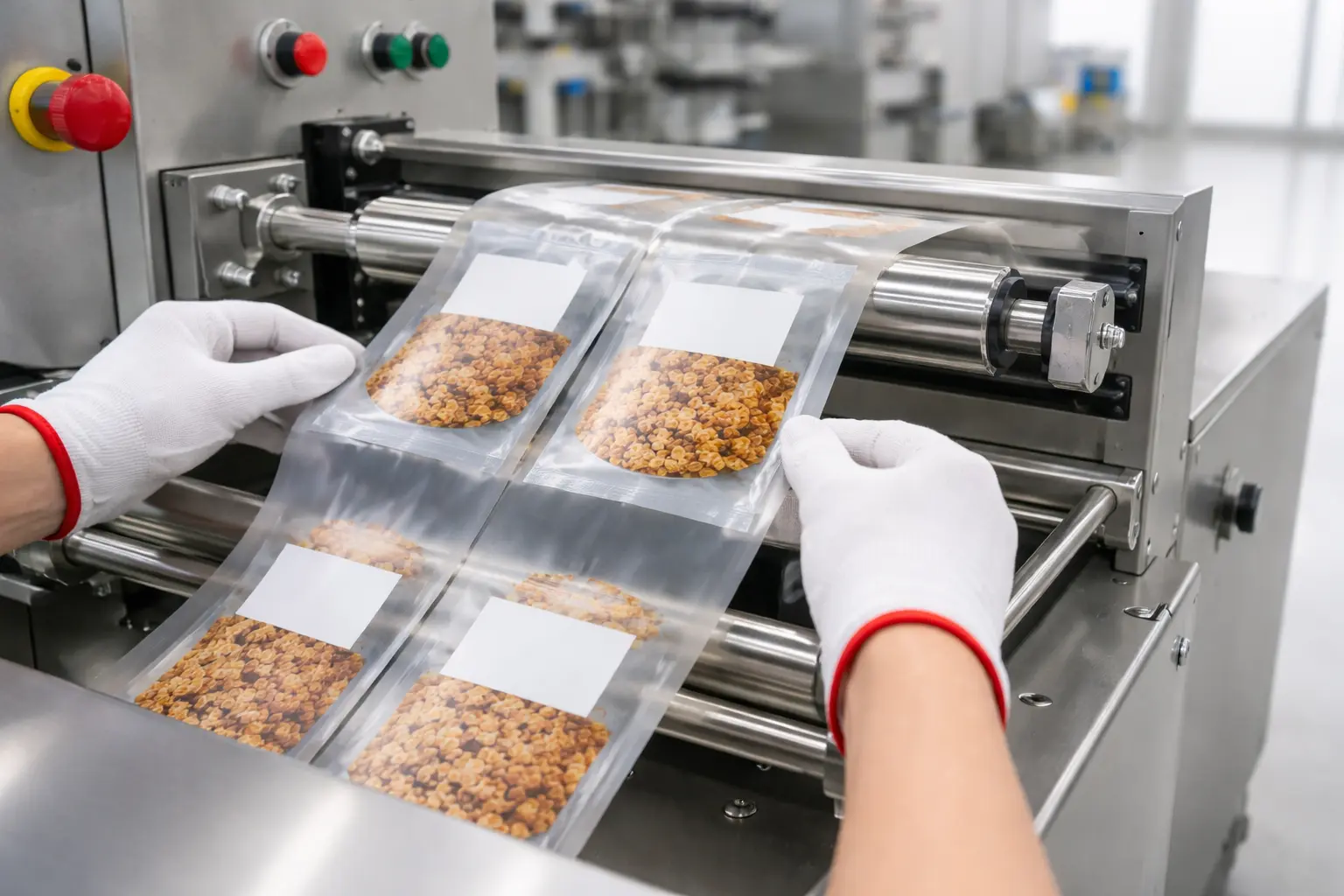
Flexible packaging films are thin layers of plastic, foil, paper, or a combination of these materials, engineered to wrap, protect, and preserve products in a wide range of formats. Unlike rigid packaging, these films conform to the shape of the product and can be easily sealed, printed, and customized for performance and shelf appeal. They are often used in the form of rollstock, pouches, sachets, wraps, or liners, and serve as the foundational component of most flexible packaging solutions.
Flexible packaging films have become essential in modern packaging for several reasons:
Convenience: Lightweight, space-saving, and easy to open, flexible films improve the user experience. Features like resealable zippers, spouts, and tear notches further enhance functionality.
Protection: Advanced barrier properties protect contents from moisture, oxygen, UV light, and contaminants, helping extend shelf life and preserve product integrity.
Cost-Efficiency: Flexible films are more economical than rigid containers in terms of material usage, transportation, and storage. They often result in reduced shipping weights and environmental impact.
Flexible packaging films are used across virtually every industry. In the food and beverage sector, they keep snacks crispy and sauces fresh. In pharmaceuticals, they safeguard sensitive medications. In personal care, they enable convenient single-serve applications. The pet food, cannabis, cleaning, and industrial markets also rely heavily on flexible films to deliver both performance and branding impact.
As consumer preferences shift toward portability, sustainability, and premium design, the role of flexible packaging films continues to grow, making them a vital solution for both emerging brands and established manufacturers.
What Are Flexible Packaging Films?
Flexible packaging films are thin, pliable materials designed to enclose and protect products while offering flexibility in shape and structure. These films can be made from single-layer or multi-layer laminates composed of materials like plastic polymers (PET, PE, BOPP), aluminum foil, kraft paper, or eco-friendly alternatives. They are engineered to provide specific performance attributes such as moisture resistance, oxygen barrier, seal strength, and printability.
How Flexible Films Work in Packaging
Flexible films serve as a base material that can be transformed into various packaging formats, such as preformed pouches or continuous rollstock. They are commonly laminated to combine the benefits of multiple materials, such as clarity, strength, and barrier protection, into a single solution tailored for the product’s needs.
Flexible vs. Rigid Packaging
Compared to rigid packaging (like glass jars, metal cans, or hard plastic containers), flexible films offer several key advantages:
- Space-Efficient: Flexible packaging takes up less space during shipping and storage, reducing costs across the supply chain.
- Lightweight: Significantly lighter than rigid materials, which helps lower shipping weights and carbon footprints.
- Customizable: Easier to shape, print, and modify with various closures, finishes, and features.
- Sustainability: Often uses less material overall and can be designed for recyclability or compostability, unlike many rigid formats.
While rigid packaging is still necessary for some heavy-duty or fragile products, flexible packaging films have become the go-to solution for brands seeking efficient, attractive, and functional packaging.
Common Form Factors in Flexible Film Packaging
Flexible packaging films can be converted into a variety of formats depending on the product, production method, and user experience goals:
- Rollstock: Continuous film supplied on a roll, used on automated packaging lines like Horizontal Flow Wrappers and Vertical Form Fill Seal machines. Ideal for high-speed, high-volume production.
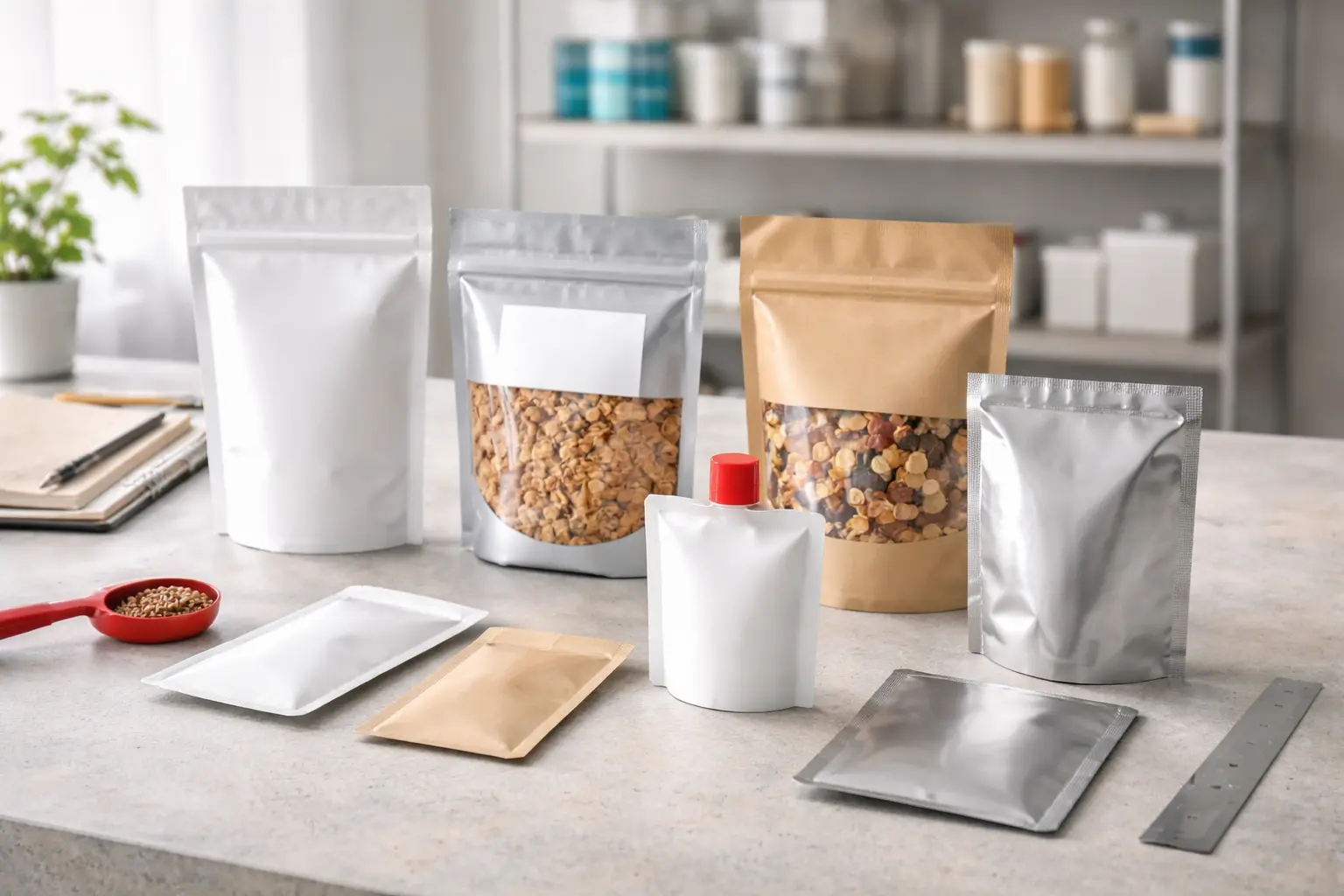
- Pouches: Pre-made or form-fill-seal bags that can be stand-up or lay-flat. Often feature zippers, spouts, or tear notches. Common in snacks, pet food, supplements, and personal care.
- Sachets: Small, single-use flexible packets, perfect for samples, condiments, or medical applications.
- Wraps & Liners: Films used to wrap products directly or as protective inner layers, often seen in confections, baked goods, and frozen items.
These versatile forms, combined with custom printing and material options, allow flexible packaging films to meet a wide range of performance and branding needs.

Common Types of Flexible Packaging Films
Flexible packaging films come in a variety of materials, each engineered for specific performance characteristics. Choosing the right film depends on the product's needs, barrier protection, sealing, durability, shelf appeal, sustainability, and more. Below are the most commonly used film types in flexible packaging.
A. Polyethylene (PE)
Polyethylene is one of the most widely used materials in flexible packaging, known for its softness, durability, and sealing strength. There are two main types:
- LDPE (Low-Density Polyethylene): Softer and more flexible, with excellent heat-sealing properties and clarity. Often used for bags, inner layers of laminates, and squeeze applications.
- HDPE (High-Density Polyethylene): Stiffer, stronger, and more puncture-resistant than LDPE. Offers a slightly cloudy appearance but enhanced barrier protection.
Key Characteristics:
- Soft and flexible
- Strong sealability
- Cost-effective
- Moisture barrier
Common Applications:
- Frozen foods
- Bread bags
- Snack packaging
- Liners for cereal boxes and dry goods
B. Polypropylene (BOPP, CPP)
Polypropylene films are favored for their clarity, stiffness, and moisture resistance. There are two common types:
- BOPP (Biaxially Oriented Polypropylene): Known for high tensile strength, excellent clarity, and printability. Often used as the outer layer in laminates.
- CPP (Cast Polypropylene): Softer and more sealable than BOPP, used primarily as the inner sealant layer.
Key Characteristics:
- High clarity and gloss
- Good moisture resistance
- Excellent print surface
Common Applications:
- Bakery products
- Snack foods
- Labels and wraps
- Confectionery packaging
C. Polyester (PET, MET-PET)
Polyester films are valued for their strength and heat resistance. They're commonly laminated with other films for added durability and barrier protection.
- PET (Polyethylene Terephthalate): Clear, tough, and heat-stable. Often used as a printing layer in laminates.
- MET-PET (Metalized PET): A PET film with a thin aluminum coating for added barrier properties and a metallic look.
Key Characteristics:
- Excellent dimensional stability
- High tensile strength
- Good barrier to gas and moisture (especially MET-PET)
- Printable and heat-resistant
Common Applications:
- Stand-up pouches
- Retort packaging
- Coffee and tea bags
- Nutritional supplements
D. Nylon (Polyamide)
Nylon is a strong, flexible film with superior puncture resistance and gas barrier properties.
Key Characteristics:
- High puncture and abrasion resistance
- Good oxygen barrier
- Can withstand freezer and vacuum conditions
Common Applications:
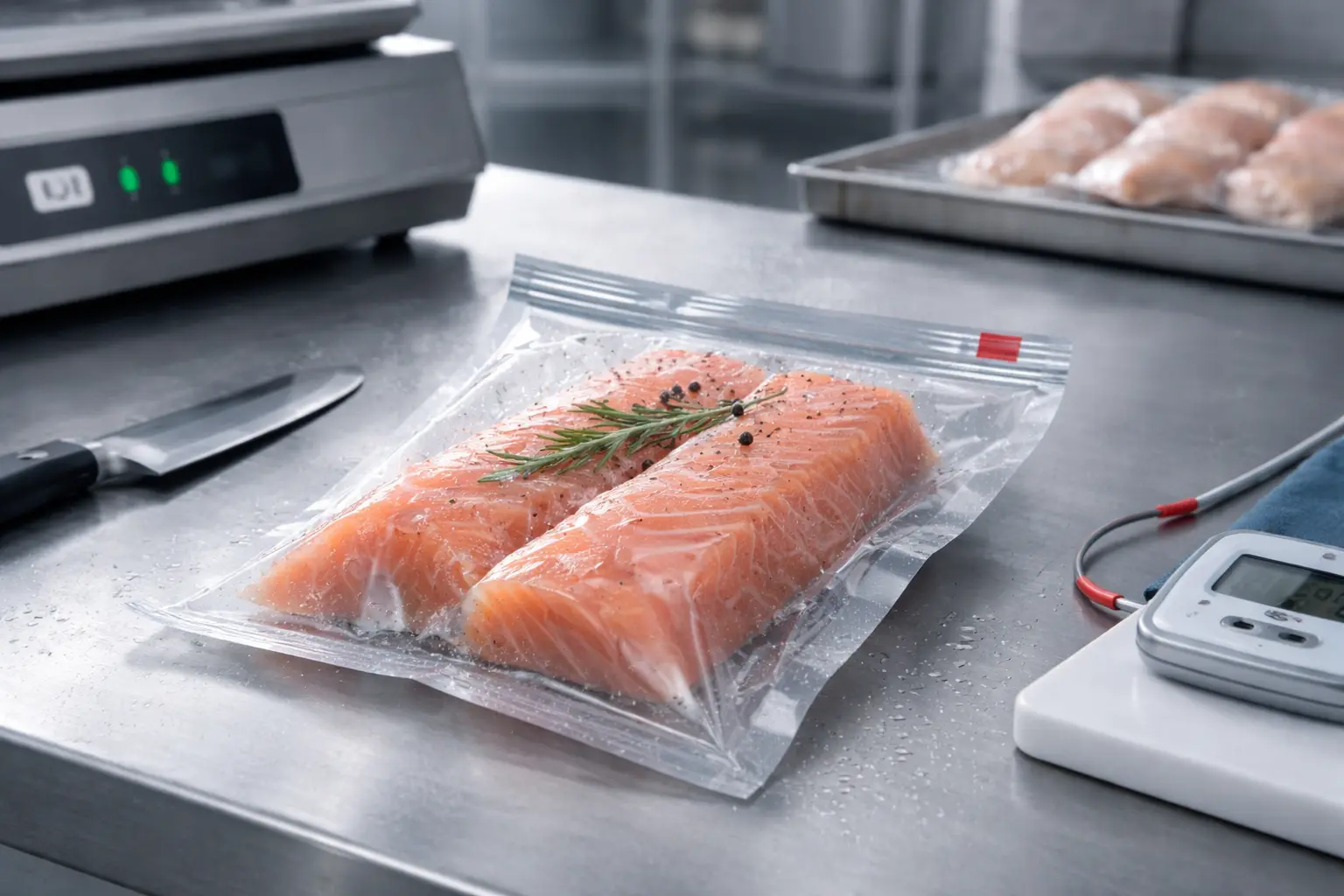
- Vacuum-sealed meat packaging
- Cheese and seafood
- Industrial-use pouches
- Retort packaging
E. Foil Films (Aluminum Foil Laminates)
Aluminum foil provides a total barrier to light, oxygen, moisture, and contaminants. It is often used in multi-layer laminates for maximum protection.
Key Characteristics:
- Total barrier to oxygen, light, and moisture
- High-end appearance
- Long shelf life extension
Common Applications:
- Pharmaceuticals
- Nutraceutical powders
- Liquid pouches
- Shelf-stable foods and sauces
F. EVOH (Ethylene Vinyl Alcohol)
EVOH is a high-performance barrier resin often used as a core layer in multi-layer films.
Key Characteristics:
- Exceptional oxygen barrier
- Maintains aroma and flavor
- Requires protection from moisture (usually sandwiched in laminates)
Common Applications:
- High-barrier food pouches
- Baby food
- Dairy products
- Vacuum-sealed items
G. ALOX and SiOX-Coated Films
These are transparent films coated with ultra-thin layers of aluminum oxide (ALOX) or silicon oxide (SiOX) to offer excellent barrier properties without compromising clarity.
Key Characteristics:
- High oxygen and moisture barrier
- Fully transparent
- Chemical resistance
Common Applications:
- Medical and pharmaceutical pouches
- Premium snack and food packaging
- Cosmetic sachets
- Microwaveable products
H. Kraft Paper Laminates
Kraft paper can be laminated with plastic or foil layers to create a flexible packaging material that delivers a natural, eco-friendly look with added performance.
Key Characteristics:
- Rustic, natural aesthetic
- Printable surface
- Can be recyclable or compostable
- May include barrier layers
Common Applications:
- Organic food packaging
- Pet treats
- Coffee, tea, and granola
- Artisan or natural product lines
Choosing the Right Film for Your Product
Selecting the right flexible packaging film is critical to both protecting your product and enhancing its presentation. With the wide variety of film types, finishes, and performance properties available, the best choice depends on your product’s specific requirements and your production process.
Key Considerations When Selecting a Film
1. Barrier Needs: Your product’s shelf life, freshness, and integrity often depend on its exposure to oxygen, moisture, UV light, and aroma transfer.
- High-barrier films like MET-PET, foil, or EVOH are essential for oxygen-sensitive products such as coffee, sauces, or nutraceuticals.
- Moisture barriers are vital for snacks, powders, and frozen goods.
- Odor and flavor barriers help preserve taste and prevent contamination, especially in pet food and protein powders.
2. Machine Compatibility: Not all films run equally well on all equipment. It's important to select films that are compatible with your specific packaging machinery, whether you're using:
- Form-Fill-Seal (VFFS/HFFS) machines with rollstock
- Pre-made pouch filling systems
- High-speed wrapping or vacuum-sealing lines: Choosing films that seal quickly, resist stretching, and maintain registration during printing can reduce downtime and waste.
3. Sustainability Goals: Many brands are transitioning to environmentally conscious materials. Depending on your goals, consider:
- Recyclable mono-materials like PE or PP
- Compostable options such as PLA-based films
- Post-consumer recycled (PCR) films to reduce virgin plastic use
Keep in mind that sustainable films must still meet performance standards, especially barrier and sealing strength.
4. Visual Appeal & Branding: Packaging is often the first interaction a customer has with your product. Films that support high-quality printing and specialty finishes help products stand out.
- Choose materials with great printability (PET, BOPP) for high-resolution designs
- Consider matte, gloss, or soft touch finishes to match your brand identity
- Use metallic or holographic films for premium positioning
How Laminations Are Engineered for Performance
Laminated films combine multiple layers, each chosen for a specific function, to create a packaging structure that meets your product's exact needs.
A typical high-performance laminate might include:
- Outer layer for print and durability (e.g., PET or BOPP)
- Middle layer for barrier protection (e.g., MET-PET, EVOH, foil)
- Sealant layer for heat sealing and food contact (e.g., PE or CPP)
This multi-layer design balances strength, flexibility, barrier performance, and appearance, ensuring the package performs in real-world conditions while delivering a strong shelf presence.
Why Sealing Strength, Puncture Resistance, and Clarity Matter
Sealing Strength: A secure seal prevents leakage, contamination, and spoilage. It’s especially crucial for liquids, powders, and products requiring tamper-evidence or resealability.
Puncture Resistance: Sharp or heavy products, like jerky, bones, or hardware, require films that resist tearing and protect the contents through distribution.
Clarity: In transparent or windowed packaging, visual clarity can significantly influence purchasing decisions. Customers want to see freshness and quality, especially in food, snacks, and supplements.
By considering these factors together, and working with an expert packaging partner like Red Dot, you can ensure that your film structure is precisely tailored to your product, production process, and brand vision.
Conclusion
Flexible packaging films are one of the most adaptable and powerful tools in modern product packaging. Their ability to deliver strong barrier protection, visual impact, and material efficiency makes them the go-to choice across a wide range of industries, from food and beverage to pharmaceuticals, personal care, and beyond.
With an extensive selection of film types, each offering different strengths in sealing, clarity, durability, and sustainability, flexible films can be tailored to fit virtually any product. Whether you're looking for high-clarity PET for premium shelf presence, EVOH for extended shelf life, or recyclable mono-materials to meet sustainability goals, the right film structure can significantly enhance both performance and brand perception.
Choosing the right film isn't just about material, it's about engineering a packaging solution that aligns with your product's requirements, your machinery, your environmental commitments, and your customer experience. That’s where Red Dot Packaging can make a difference.
With over 40 years of combined technical expertise in flexible packaging, Red Dot Packaging specializes in helping brands find the ideal film structure for their unique needs. We custom-engineer every packaging solution to match your goals, whether that’s barrier performance, aesthetic finishes, sustainability, or operational efficiency.
Looking for guidance on your next packaging project? Let our team help you navigate your options, avoid costly trial and error, and create a packaging solution that delivers real results.
Reach out today to explore your custom flexible packaging film options with Red Dot.