

Custom Protein Powder Packaging
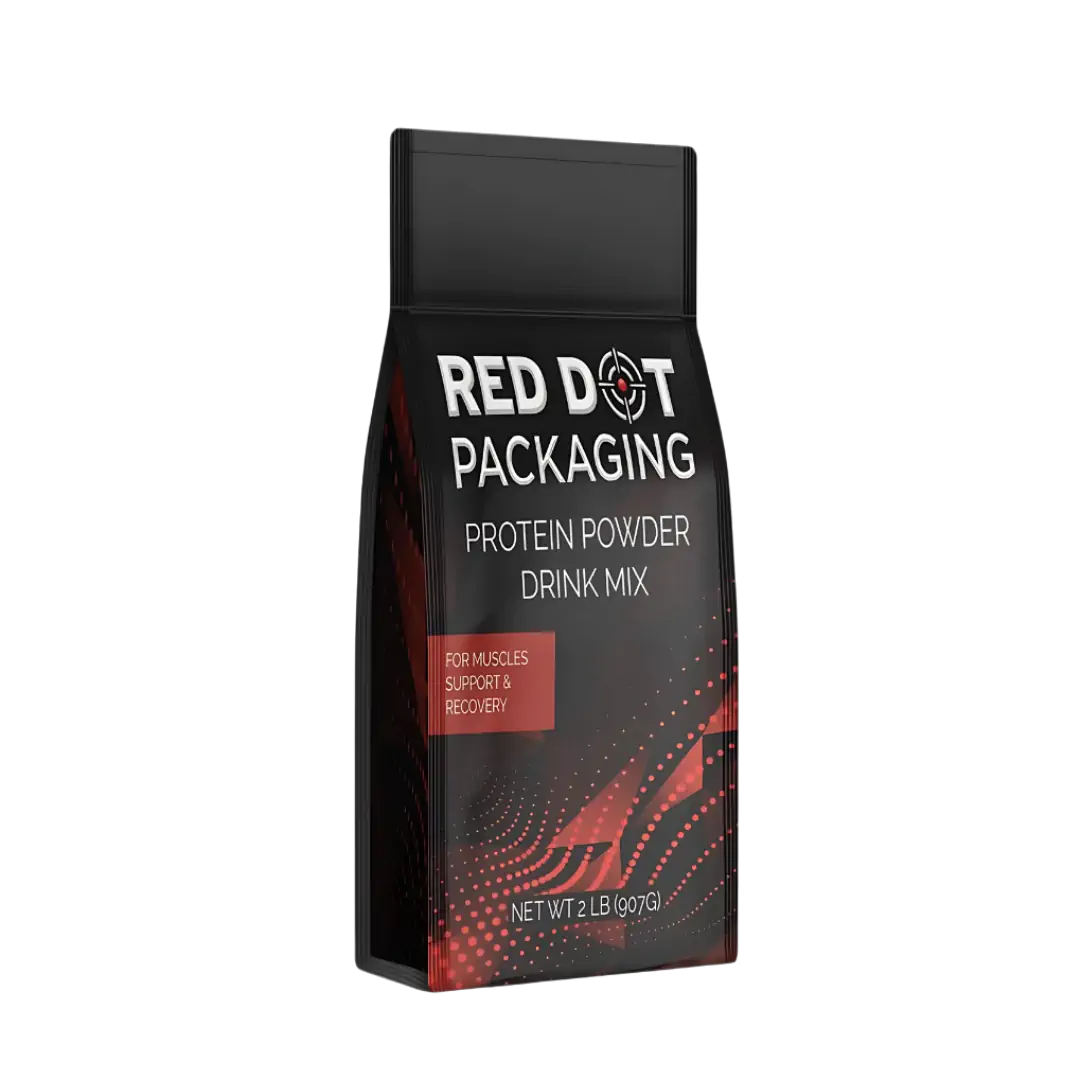
Custom Protein Powder Packaging Solutions
Protein powder packaging has to do more than look good, it must support freshness, function, and convenience. From gym bags to kitchen counters, your packaging has to keep product safe from moisture, oxygen, and spills while making prep easy and mess-free. Red Dot builds high-barrier pouch solutions for whey, plant-based, collagen, and specialty drink mixes. Whether you're launching single-serve samples or bulk family packs, we help you get to market fast with packaging that performs.
Flexible Formats for Powder Products
We offer a range of pouch styles and rollstock configurations built for scoopable, pourable powder blends:
- Stick packs for pre- and post-workout samples
- Medium refill pouches for daily use
- Gusseted stand-up pouches for club-store or family sizes
- Rollstock films for form-fill-seal machines
- Tear notches, zippers, and spouts for ease of use
Our solutions are optimized for dusty, lightweight powders, engineered to resist clumping, leaking, and loss of freshness.
Function Meets Shelf Presence
Your packaging should perform in the gym, on the shelf, and on social media. Red Dot helps you stand out with materials and finishes that match your brand personality and price point.
- Matte, gloss, or dual-texture finishes for shelf impact
- Clear windows or foil barrier layers depending on product and positioning
- Print options include digital, flexo, and rotogravure, selected based on your volume and color needs
- Optional degassing valves, tamper evidence, or hang holes for specific channels
From minimal wellness brands to bold performance products, we help you design packaging that connects with your customer and protects your formula.
Engineered for High-Use Products
Protein powders are scooped, sealed, shaken, and stored again, day after day. That’s why we test for durability at every stage.
- High-barrier laminates to resist moisture, clumping, and oxygen exposure
- Strong seals and closures to prevent powder leaks
- Reseal features that stand up to frequent use
- Laminate strength that holds shape without collapsing
Whether you're packaging a grainy superfood blend or a fine whey isolate, we help ensure your product arrives and stays ready to use.
Sustainable Protein Packaging Options
Today’s wellness-focused customers expect environmentally responsible choices. Red Dot supports this with:
- Recyclable film structures
- Compostable and reduced-plastic laminates
- Sustainable print methods with low ink waste and no excess plate costs
We help you meet your brand’s goals for performance and planet.
Why Protein Brands Choose Red Dot
With decades of experience in powder-based product packaging, Red Dot is a trusted partner for both emerging and established brands. We support:
- Startups looking for low minimums and design support
- Rapid-launch seasonal SKUs or co-branded blends
- High-volume projects for retail and club store channels
- Regulatory compliance, artwork prep, and equipment compatibility
From R&D to reorder, Red Dot delivers packaging that protects, performs, and builds your brand.
Protein Powder Packaging FAQ
Q: What packaging keeps protein powder fresh and prevents clumping and leaks?
A: Choose high-barrier laminates that block moisture and oxygen to prevent clumping, oxidation, and flavor loss. Pair them with strong heat seals and durable resealable closures—such as zippers or spouts—to prevent leaks between uses. Red Dot’s powder-optimized pouches and rollstock are engineered specifically for dusty, lightweight blends to maintain freshness and reduce mess during filling and handling.
Q: Stick packs vs stand-up pouches for protein powder—when should I use each?
A: Use stick packs for single-serve applications such as pre-workout samples, trial programs, subscription inserts, and on-the-go retail channels. Choose gusseted stand-up pouches for family-size or club-store formats, and medium refill pouches for everyday countertop use. Match the format to serving size, retail channel, and how often consumers will open and reseal the package.
Q: List the must-have features for a daily-use protein powder pouch (easy scooping, reliable reseal, no leaks).
A: Include a wide opening or gusset that allows easy scooping without collapse. Specify a durable, high-cycle zipper that maintains seal performance after repeated use. Use high-barrier laminates to control moisture and oxygen exposure, and strong seals to prevent leaks. Choose a laminate structure with enough rigidity to help the pouch stand upright during scooping.
Q: How do I choose between clear windows and foil barriers for my protein pouch?
A: Choose a clear window if product visibility enhances trust and the formula has moderate light sensitivity. Select foil or metallized barrier layers when maximum protection from light, oxygen, and moisture is required, or when a fully opaque, premium aesthetic aligns with your brand. The choice should balance protection requirements with merchandising strategy.
Q: What sustainable packaging options exist for whey or plant-based powders?
A: Red Dot offers recyclable film structures, compostable materials, and reduced-plastic laminate options. These can be engineered to maintain necessary moisture and oxygen barriers. Digital print methods also reduce excess inventory and plate waste, supporting sustainability goals without compromising product integrity.
Q: Digital vs flexo vs rotogravure: which print method fits a new protein brand with small runs?
A: Digital printing is ideal for small runs, flavor variations, and frequent artwork updates because it requires no plates and supports quick turnaround. Flexographic and rotogravure printing are better suited for higher volumes with strict color consistency and cost efficiency at scale. Select based on projected volume, artwork complexity, and launch timeline.
Q: How can I design protein powder packaging that stands out on shelf and social while still protecting the product?
A: Combine eye-catching finishes—such as matte, gloss, or dual-texture effects—with the appropriate barrier structure. Clear windows can showcase texture and build trust, while foil layers maximize product protection. Add functional features like tamper-evident seals, hang holes, or degassing valves as needed. Beneath the design, ensure high-barrier laminates, strong seals, and reliable resealable closures are specified for long-term freshness.
Q: How can I launch protein powder samples fast with low minimums?
A: Use stick packs or small-format pouches with digital printing to move quickly from artwork approval to production without plate costs. Red Dot supports startups with low MOQs and design guidance so you can test flavors, limited editions, or seasonal SKUs efficiently. Format, material, and finish are coordinated to meet your launch deadline.
Q: What rollstock films work best for form-fill-seal packaging of protein powders?
A: Choose high-barrier rollstock engineered for lightweight, dusty powders. The film should resist moisture and oxygen ingress while delivering consistent forming and strong seal performance on FFS equipment. Red Dot aligns film structure and thickness with your machinery and product flow characteristics to maintain clean seals and efficient throughput.
Q: How do packaging partners support regulatory compliance and artwork prep for supplement pouches?
A: Red Dot assists with regulatory checks, artwork file preparation, and ensuring graphics align with the selected pouch format and print method. The team also verifies material compatibility with your filling equipment to streamline production. From initial R&D through reorders, support includes compliance alignment, technical validation, and shelf-ready execution.