
What Is Custom Flexible Packaging?
Your Expert Partner for Flexible Film Solutions
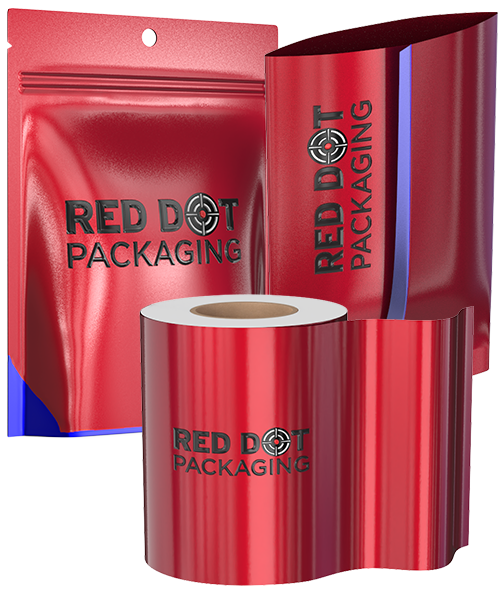
Custom flexible packaging is packaging made from flexible materials such as plastic films, foil laminates, paper, and barrier layers that can bend, fold, or conform to the shape of a product while displaying custom branding and product information. It is commonly used for food, coffee, supplements, gummies, cannabis products, pet treats, cosmetics, and ecommerce packaging because it combines lightweight packaging with strong product protection and modern branding.
Most custom flexible packaging includes features such as stand-up pouches, resealable zippers, matte or glossy finishes, high-barrier materials, clear windows, child-resistant closures, and custom printed graphics. Compared to rigid packaging like jars, cans, or boxes, flexible packaging is lighter, easier to ship, more storage-efficient, and often reduces packaging and fulfillment costs.
As ecommerce and retail competition continue growing, custom flexible packaging has become one of the fastest-growing packaging solutions for brands focused on freshness, convenience, sustainability, and operational efficiency.
Why Custom Flexible Packaging Has Become So Popular
Custom flexible packaging has rapidly transformed modern packaging across nearly every consumer industry.
In the past, many companies relied heavily on:
Glass jars
Plastic tubs
Metal cans
Cardboard boxes
to package products for retail and distribution.
Today, flexible packaging is replacing many traditional packaging formats because it offers:
Lower shipping costs
Better storage efficiency
Strong product protection
Premium branding opportunities
Improved ecommerce performance
Flexible packaging is now commonly used for:
Coffee and tea
Snacks and candy
Supplements and protein powders
Gummies and wellness products
Cannabis and CBD products
Pet treats and pet food
Frozen foods
Beauty and skincare products
Household products
As ecommerce and direct-to-consumer brands continue growing, custom flexible packaging has become one of the most important parts of modern product strategy.

What Products Use Custom Flexible Packaging?
Custom flexible packaging is highly versatile and adaptable for a wide range of product categories.
Different packaging structures can be customized depending on:
Product sensitivity
Shelf-life requirements
Compliance regulations
Shipping conditions
Consumer convenience
Branding goals
Some of the most common flexible packaging formats include:
Stand-up pouches
Flat pouches
Spout pouches
Vacuum pouches
Rollstock film
Sachets
Stick packs
This flexibility allows brands to create packaging systems specifically designed around their product and customer experience goals.
As consumer expectations continue evolving, flexible packaging is being used across more industries than ever before.
How Custom Flexible Packaging Improves Product Freshness
One of the biggest reasons brands choose flexible packaging is product protection.
Many products are highly sensitive to:
- Oxygen exposure
- Moisture
- UV light
- Heat
- Air contamination
Without proper packaging, products may quickly lose:
- Freshness
- Flavor
- Aroma
- Texture
- Potency
- Shelf life
Custom flexible packaging uses layered barrier materials engineered to protect products throughout:
- Shipping
- Warehousing
- Retail display
- Ecommerce fulfillment
- Consumer storage
Different products require different barrier structures.
For example:
- Coffee often requires oxygen barriers and degassing valves
- Gummies require moisture-resistant films
- Cannabis products often require smell-proof barriers
- Supplements may require high-barrier freshness protection
The material structure itself is critical for preserving product quality and extending shelf life.
How Custom Flexible Packaging Reduces Shipping Costs
One of the biggest operational advantages of flexible packaging is efficiency.
Compared to rigid packaging formats like:
- Glass containers
- Plastic jars
- Metal tins
custom flexible packaging is:
- Much lighter
- Easier to store
- More compact during shipping
This helps reduce:
- Freight expenses
- Warehousing costs
- Ecommerce fulfillment fees
For direct-to-consumer brands, lightweight packaging can significantly improve profitability over time.
Flexible packaging also requires less storage space before filling, improving warehouse efficiency and inventory management.
As shipping and logistics costs continue increasing, operational efficiency has become one of the biggest advantages of flexible packaging systems.
Why Stand-Up Custom Flexible Packaging Dominates Retail Shelves
One of the most common flexible packaging formats is the stand-up pouch.
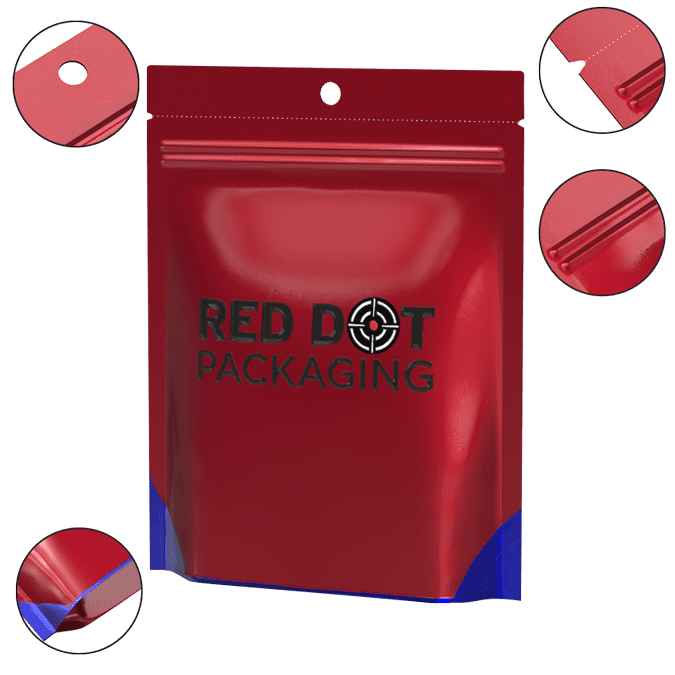
Stand-up custom flexible packaging uses bottom gussets that allow the pouch to stand vertically while displaying large branding surfaces.
These pouches are popular because they:
- Improve shelf visibility
- Support resealable closures
- Create premium presentation
- Work well for ecommerce photography
- Help products stand out in crowded retail environments
Stand-up pouches are widely used for:
- Coffee
- Snacks
- Gummies
- Supplements
- Pet treats
- Cannabis products
- Candy
Their versatility and branding flexibility make them one of the most effective modern packaging formats available.
How Custom Flexible Packaging Improves Customer Convenience
Consumers increasingly expect packaging that feels:
- Convenient
- Portable
- Reusable
- Easy to store
This is why many custom flexible packaging formats include features such as:
- Resealable zipper closures
- Tear notches
- Child-resistant zippers
- Clear windows
- Spouts
- Hang holes
These features help:
- Preserve freshness after opening
- Prevent spills
- Improve portability
- Extend product usability
Packaging convenience now plays a major role in overall customer satisfaction and product perception.
What Materials Are Used in Custom Flexible Packaging?
Most custom flexible packaging uses layered materials engineered for:
- Barrier protection
- Durability
- Heat sealing
- Print quality
- Product compatibility
Common materials include:
- PET (polyester)
- PE (polyethylene)
- Foil laminates
- Nylon films
- Kraft paper
- Mylar barrier structures
Different products require different material structures depending on:
- Shelf-life goals
- Product sensitivity
- Shipping environments
- Storage conditions
For example:
- Frozen foods often require puncture-resistant materials
- Coffee requires aroma protection
- Gummies require humidity control
- Cannabis products often require smell-proof barriers
Choosing the correct flexible packaging material is essential for maintaining product quality and long-term shelf stability.
How Custom Flexible Packaging Supports Better Branding
Packaging has become one of the most important branding tools modern companies use.
Consumers often judge:
- Product quality
- Brand credibility
- Product freshness
- Price positioning
based on packaging appearance before trying the product itself.
Modern custom flexible packaging supports advanced finishes including:
- Matte coatings
- Metallic foils
- Soft-touch textures
- Spot UV effects
- Gloss finishes
- Holographic details
Minimalist packaging design has become especially popular across industries such as:
- Specialty coffee
- Wellness products
- Cannabis
- Functional foods
- Beauty products
Strong flexible packaging design helps products compete more effectively in:
- Retail stores
- Ecommerce listings
- Product photography
- Social media marketing
How Digital Printing Changed Custom Flexible Packaging
Traditional packaging manufacturing often required:
- Large production runs
- Expensive printing plates
- Long production timelines
Digital printing transformed the flexible packaging industry.
Today, manufacturers can produce digitally printed custom flexible packaging with:
- Lower minimum order quantities
- Faster turnaround times
- Easier artwork revisions
- Smaller test runs
- Multiple SKU flexibility
This has made professional packaging much more accessible for:
- Startups
- Ecommerce brands
- Small businesses
- Seasonal product launches
Brands can now test products and packaging designs without committing to massive inventory investments upfront.
Why Sustainable Custom Flexible Packaging Is Growing
Consumers increasingly care about packaging waste and environmental impact.
As a result, many brands are exploring:
- Recyclable custom flexible packaging
- Compostable packaging materials
- PCR (post-consumer recycled) films
- Reduced-plastic packaging systems
Flexible packaging already uses less material than many rigid packaging formats, helping reduce:
- Transportation emissions
- Storage requirements
- Overall packaging waste
However, sustainability remains technically challenging because many products still require:
- High-barrier freshness protection
- Long shelf life
- Durable packaging structures
Brands often need to balance:
- Sustainability goals
- Product protection
- Packaging durability
- Operational efficiency
The packaging industry continues evolving rapidly as sustainable material technology improves.
How Child-Resistant Custom Flexible Packaging Supports Compliance
Certain industries require additional packaging safety features.
Cannabis packaging often requires:
- Child-resistant zipper systems
- Smell-proof barriers
- Compliance labeling
- Tamper-evident features
Food and supplement packaging may require:
- FDA-compliant materials
- Ingredient panels
- Nutritional information
- Batch tracking systems
Modern custom flexible packaging allows companies to combine compliance requirements with premium branding and retail-ready presentation.
This balance has become increasingly important as regulated product categories continue growing.
Why Flexible Custom Flexible Packaging Is Replacing Rigid Packaging
The growth of custom flexible packaging reflects larger changes in ecommerce, branding, and modern consumer behavior.
Brands increasingly need packaging that:
- Preserves freshness
- Looks premium
- Ships efficiently
- Supports ecommerce
- Improves convenience
- Reduces operational costs
Flexible custom flexible packaging solves many of these needs simultaneously.
For startups, custom flexible packaging creates a professional retail-ready appearance without requiring expensive rigid packaging systems. For larger brands, it improves logistics efficiency while supporting strong branding and long-term scalability.
As ecommerce and retail competition continue increasing, custom flexible packaging has become far more than simple product storage. It is now part of the overall customer experience, product positioning strategy, and long-term business growth plan for modern consumer brands.
Why Choose Red Dot for Your Flexible Packaging Needs?


Experience
Over 40 years of combined flexible packaging experience

.png)
Full Customization
Full customization to meet performance, sustainability, and visual goals


Eco Conscious
Eco-conscious film options without compromising durability


Speed
Fast, reliable service with rapid turnarounds