
The Complete Guide to Stand Up Pouches for Modern Packaging
Stand-up pouches are a versatile flexible packaging solution that enhances shelf presence, protects products, and supports strong branding. This guide explains their structure, materials, and how to choose the right pouch for your product.
Packaging does more than just contain your product, it shapes how your brand is perceived and how effectively your product stands out on the shelf. Stand up pouches have emerged as one of the most innovative and versatile solutions in modern packaging, offering a flexible format that’s cost-effective, shelf-stable, and visually impactful.
Stand up pouches, also known as Doypacks, are engineered to hold their shape when filled, giving products a strong visual presence while maintaining functionality and convenience. From food and snacks to supplements, pet treats, cannabis, and household goods, these pouches are being adopted across nearly every industry because of their adaptability, consumer-friendly features, and superior branding capabilities.
More and more brands are moving away from rigid packaging like jars, cans, and cartons, and for good reason. Stand up pouches significantly reduce packaging weight and volume, which cuts down on shipping costs and material use. They’re also easier to store, reseal, and recycle. With customizable finishes, closures, and high-impact printing, stand up pouches are helping brands deliver a premium unboxing experience and capture consumer attention at the point of sale.
At Red Dot Packaging, we specialize in creating custom stand up pouch solutions that are as practical as they are eye-catching. With over 40 years of combined technical expertise, we work closely with brands of all sizes to design flexible packaging that protects their products, reinforces their identity, and performs on the shelf. Whether you need a sustainable option, high-barrier protection, or a unique print finish, we make the process simple, from prototype to production.
What Are Stand Up Pouches?
Stand up pouches are a type of flexible packaging designed to hold their shape and stand upright on store shelves when filled. They’re engineered with a bottom gusset, a fold at the base of the pouch that expands as the pouch is filled, creating a stable, freestanding structure. This simple yet effective design makes them ideal for a wide range of products across food, beverage, beauty, pet care, cannabis, and home goods.
Unlike flat pouches or traditional 3-side seal bags, stand up pouches provide superior shelf presence, more surface area for branding, and enhanced consumer convenience through features like resealable zippers and tear notches. They’re often chosen over rigid packaging like jars, cans, or bottles because they offer similar functionality with far greater efficiency in terms of cost, space, and environmental impact.
Key Structural Components:
- Bottom Gusset: This expandable base is what gives the pouch its “stand up” capability. It may be round-bottomed, K-seal, or plow-bottom (corner seal), depending on the product weight and application.
- Heat-Sealed Edges: Pouches are sealed along the sides and top using heat, forming a durable, leak-resistant barrier. Depending on your needs, the top may include an easy-tear notch, a resealable zipper, or a spout fitment.
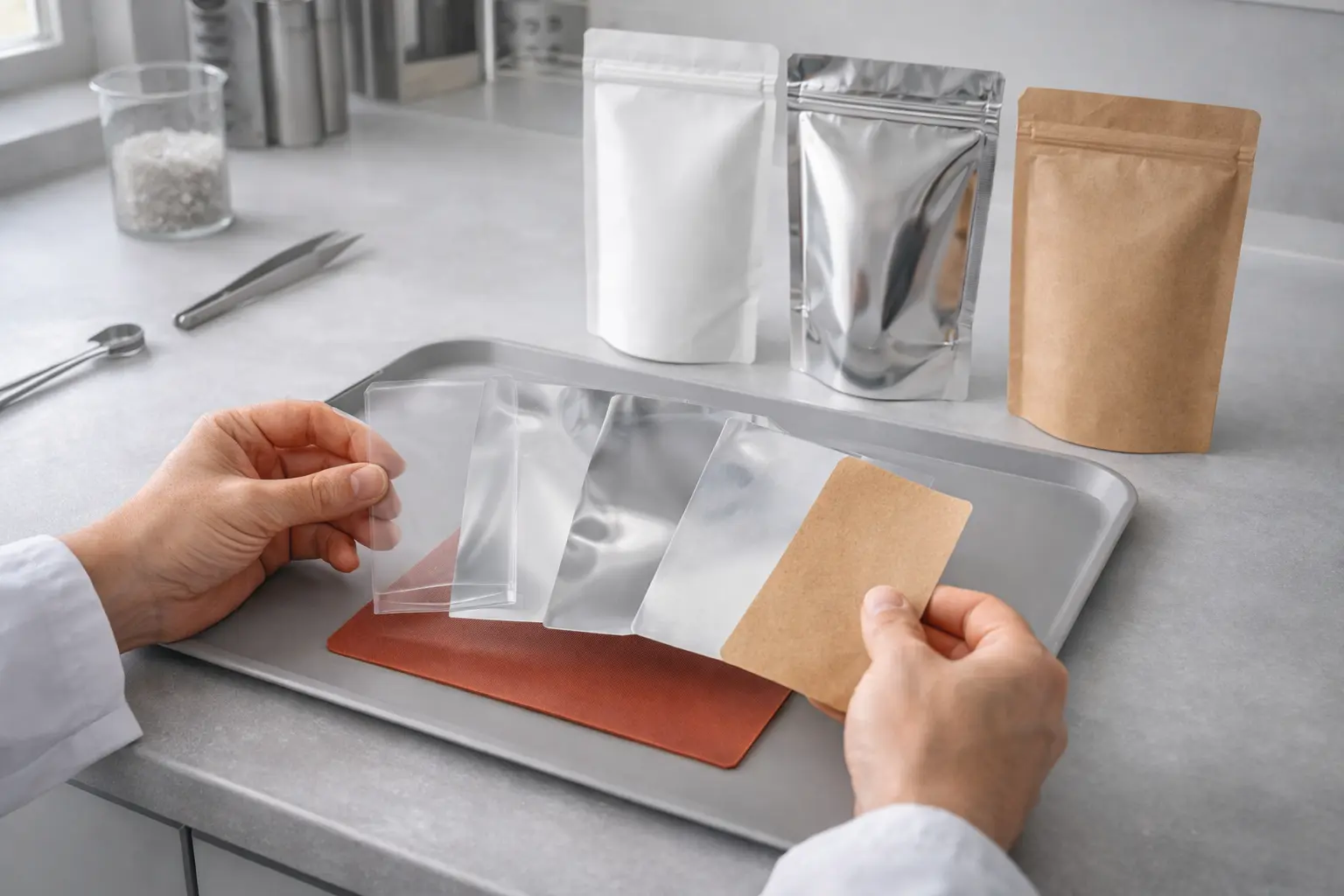
- Multi-Layer Lamination: Stand up pouches are built using multiple layers of high-performance films. These layers serve different purposes:
- Outer layer for print and aesthetics (often PET or kraft paper)
- Barrier layer to protect against oxygen, moisture, UV light (such as MET-PET, Foil, or EVOH)
- Inner layer for sealing and product compatibility (commonly PE or CPP)
- Outer layer for print and aesthetics (often PET or kraft paper)
This multilayer structure ensures that the pouch not only looks great but also extends shelf life, maintains freshness, and keeps the product safe from contamination.
Materials Used in Stand Up Pouches
One of the key advantages of stand up pouches is their flexibility in material structure. They can be tailored with high-performance films and laminates that match the unique demands of your product, whether you need extended shelf life, visual transparency, sustainability, or premium aesthetics. These materials work together in multi-layer laminations to provide strength, product protection, and excellent printability.
Common Materials in Stand Up Pouches:
- PET (Polyester): A durable, clear, and printable film used as the outer layer in many pouches. PET is scratch-resistant and offers excellent stiffness and clarity, making it ideal for showcasing printed branding.
- MET-PET (Metalized Polyester): PET film that’s been coated with a thin layer of metal, typically aluminum, to improve barrier properties. It offers a metallic sheen and excellent protection against oxygen and light, making it a popular choice for snacks, coffee, and powdered supplements.
- Aluminum Foil: One of the best materials for total barrier protection. It provides an impenetrable shield against light, moisture, oxygen, and odor, perfect for products with sensitive ingredients or long shelf life requirements. Often used in pharmaceuticals, spices, and high-value food items.
- Nylon (PA): Known for its puncture resistance and flexibility, nylon is often added to packaging that must withstand shipping pressure or heavy-duty handling. It’s also used in vacuum pouches or pouches holding liquids.
- EVOH (Ethylene Vinyl Alcohol): A high-barrier, food-safe material that provides exceptional protection against oxygen, while still allowing for flexible, thinner films. Common in pouches for sauces, soups, and products where oxygen exposure must be minimized.
- Kraft Paper: Used as an outer layer for brands seeking a natural or organic aesthetic. Kraft laminates can be combined with barrier films inside to maintain performance while giving a more “earthy” appearance.
- Mylar: A DuPont-branded PET film known for strength and stability. Mylar pouches are widely used in food storage, medical supplies, and products needing long-term protection.
- ALOX (Aluminum Oxide-Coated Film): A newer alternative to foil, ALOX coatings provide transparent barrier protection, allowing customers to see the product inside without compromising shelf life. Excellent for dried fruits, snacks, and specialty items.
Barrier Properties: Why They Matter
Depending on your product, you’ll want protection from:
- Moisture: Prevents clumping, spoilage, or degradation of dry goods, powders, and snacks.
- Oxygen: Stops oxidation, rancidity, and degradation in food, oils, and supplements.
- Light: UV and visible light can damage sensitive ingredients (e.g., cannabis, coffee, spices).
By customizing material layers, Red Dot ensures your pouch delivers the optimal barrier for product safety and longevity, without over-engineering or unnecessary costs.
Earth-Friendly Material Options
Sustainability is a growing priority, and stand up pouches offer multiple eco-conscious options without compromising performance:
- Recyclable Films: Mono-material structures (like all-PE or all-PP) are designed for recyclability in existing streams. Great for snacks, frozen foods, and dry goods.
- Compostable PLA (Polylactic Acid): Derived from renewable sources like corn starch or sugarcane, PLA-based pouches break down under industrial composting conditions. Best suited for short shelf-life products or eco-conscious brands.
- PCR Films (Post-Consumer Recycled): Made from recycled plastics, these films reduce virgin plastic usage while maintaining performance. Red Dot offers high-quality PCR laminates that look and feel just like traditional films, but with a smaller environmental footprint.
At Red Dot Packaging, we help you choose the right materials based on your product needs, shelf life requirements, sustainability goals, and brand look. Whether you need a high-barrier laminate for a sensitive product or an eye-catching kraft pouch with recyclable film, we’ll match the right structure to your vision.
Choosing the Right Stand Up Pouch for Your Product
With so many options available, selecting the right stand up pouch can feel overwhelming, but it doesn’t have to be. At Red Dot Packaging, we simplify the process by helping you match the ideal pouch structure, material, and features to your product’s specific requirements. Choosing the right configuration ensures your product stays fresh, looks professional, and meets your customer’s expectations.
Key Factors to Consider
- Product Type:
- Is your product a dry good (like coffee or nuts), a liquid (like sauces or oils), or a semi-solid (like gels or powders)?
- Different formats require different barrier levels, closures, and structural integrity.
- Is your product a dry good (like coffee or nuts), a liquid (like sauces or oils), or a semi-solid (like gels or powders)?
- Product Weight:
- Heavier products need reinforced gussets and seals (like K-seal or plow-bottom designs).
- Lighter items may work with simpler bottom gussets or thinner film structures.
- Heavier products need reinforced gussets and seals (like K-seal or plow-bottom designs).
- Shelf Life Requirements:
- Products with a short shelf life may not need advanced barriers, while oxygen- or moisture-sensitive goods (like cannabis, snacks, or supplements) require multi-layer high-barrier films.
- For long-term freshness, consider materials like foil, MET-PET, or ALOX, and closures that provide a strong reseal.
- Products with a short shelf life may not need advanced barriers, while oxygen- or moisture-sensitive goods (like cannabis, snacks, or supplements) require multi-layer high-barrier films.
- Usage Frequency:
- Will the pouch be opened and resealed frequently?
- Products like protein powders or pet treats benefit from durable, user-friendly zippers (e.g. dual-track, slider, or powder-proof).
- Single-use or single-serve pouches may use tear notches or lip-and-tape seals for simplicity.
- Will the pouch be opened and resealed frequently?

Industry-Specific Considerations
- Food Packaging:
- Requires FDA-approved food-safe films and reliable oxygen/moisture barriers.
- High-impact visuals are critical in competitive categories like snacks, frozen foods, or coffee.
- Additions like degassing valves (for coffee), window panels, or hang holes are often valuable.
- Requires FDA-approved food-safe films and reliable oxygen/moisture barriers.
- Cannabis Products:
- Must comply with strict regulations for child resistance, odor control, and tamper evidence.
- Red Dot offers child-resistant zippers and tear-resistant films that meet compliance in various states.
- Matte finishes and metallic effects can add a premium edge to your brand’s aesthetic.
- Must comply with strict regulations for child resistance, odor control, and tamper evidence.
- Nutritional Supplements & Powders:
- Sensitive to moisture and oxidation, especially protein powders, pre-workouts, and vitamin blends.
- High-barrier films with resealable zippers or sliders ensure longevity and convenience.
- A “wide-mouth” pouch format makes scooping and resealing easy.
- Sensitive to moisture and oxidation, especially protein powders, pre-workouts, and vitamin blends.
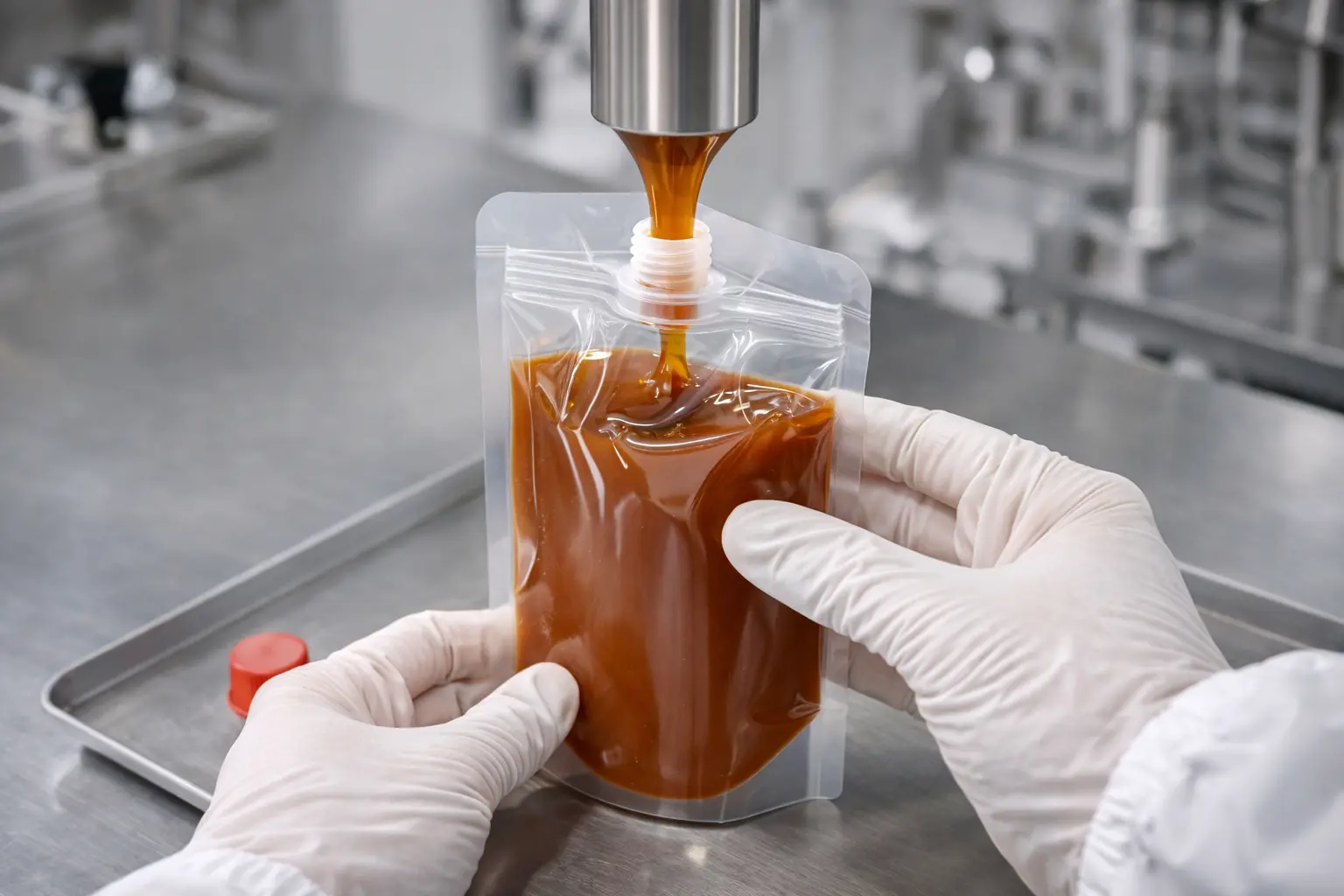
- Liquids & Gels (e.g., sauces, cleaners, baby food):
- Require spouted stand up pouches with heat-sealed fitments and anti-choke caps for safety.
- Spout location (top or corner) can be customized based on how the product is dispensed.
- Ideal for reducing plastic waste and improving portability compared to rigid bottles.
- Require spouted stand up pouches with heat-sealed fitments and anti-choke caps for safety.
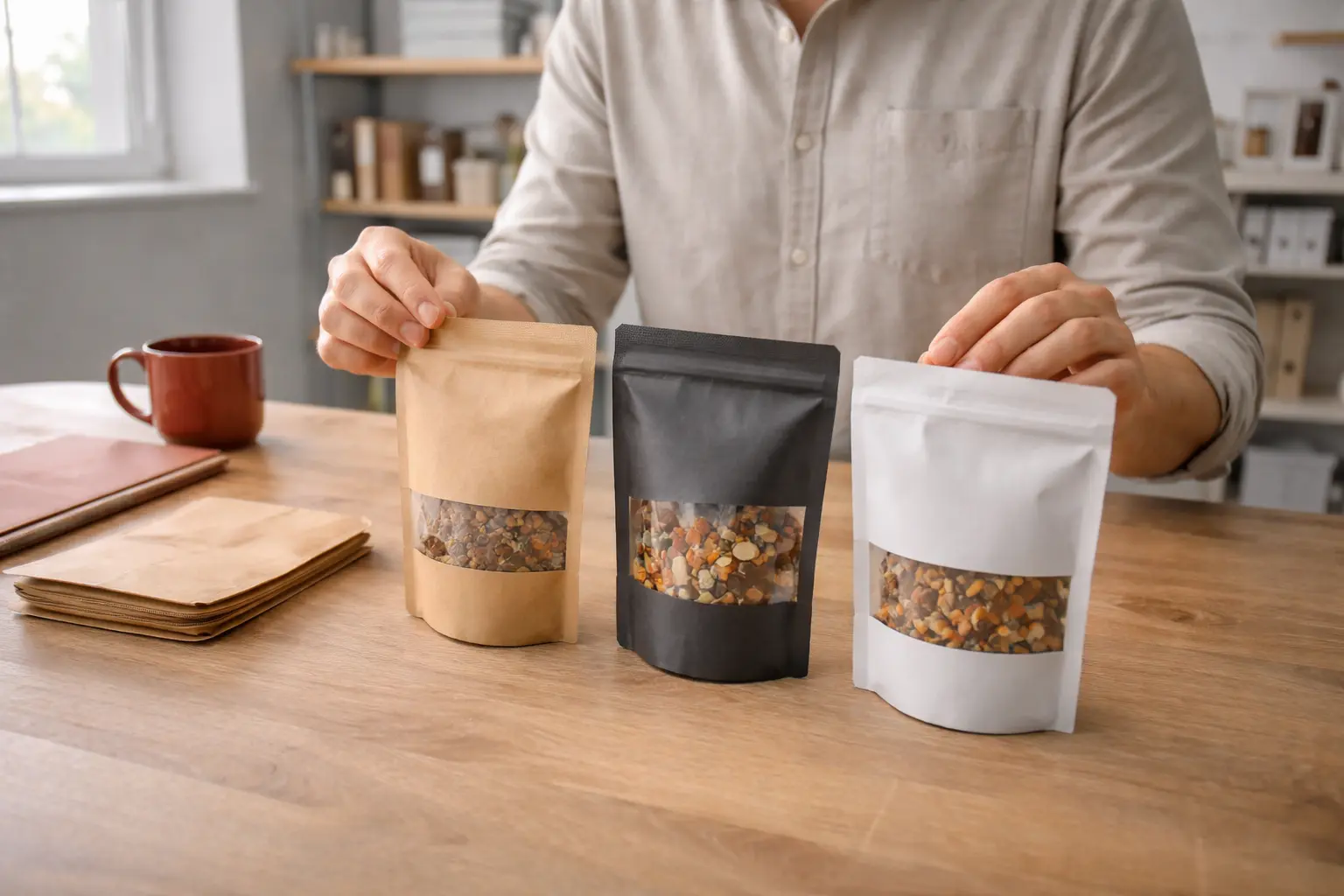
Selecting the Right Materials, Closures, and Finishes
- Materials: Choose based on your product’s barrier needs:
- Foil or MET-PET for high-barrier, light-sensitive products
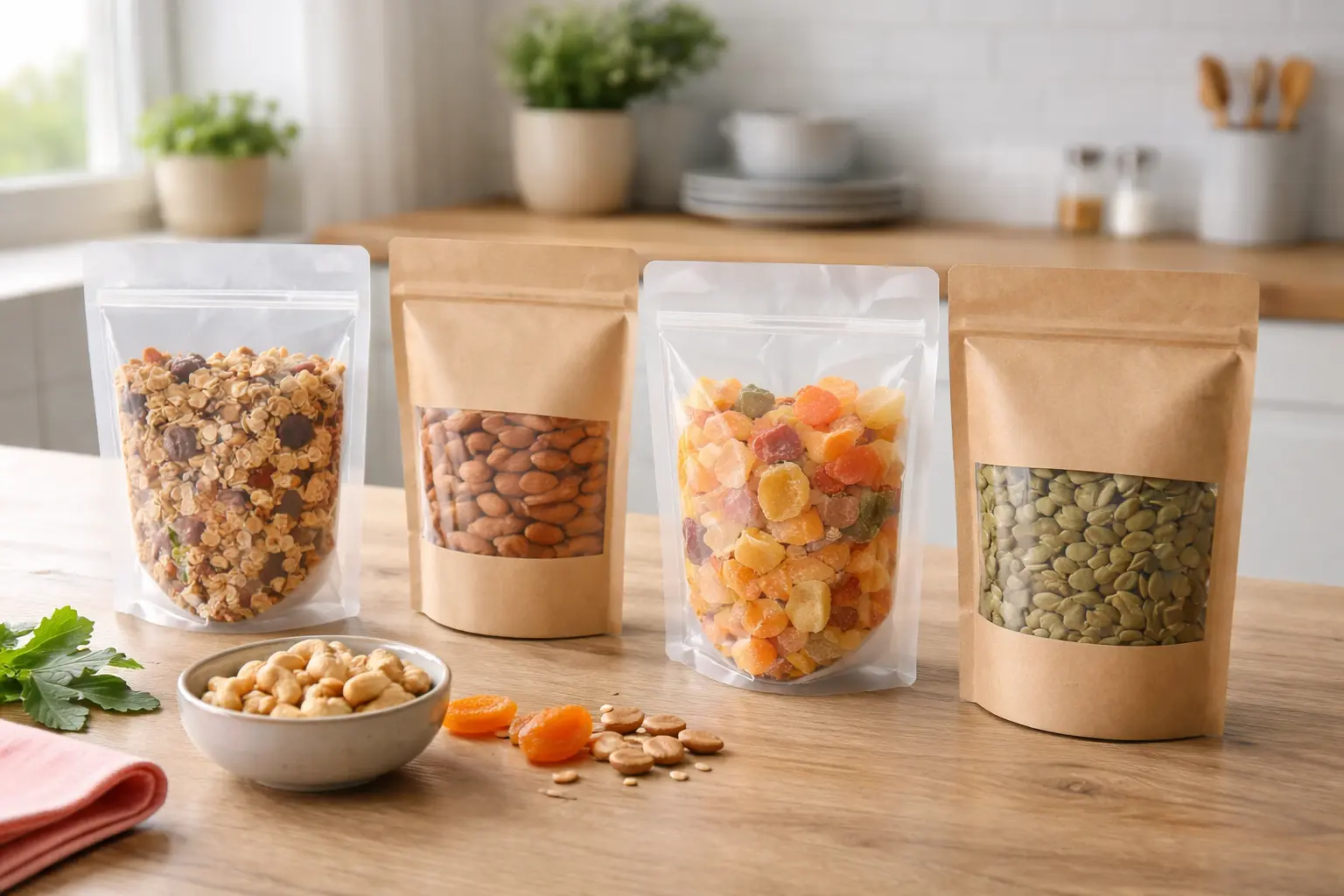
- Clear PET or ALOX for product visibility with good protection
- Kraft paper laminates for an organic or natural look
- Recyclable or compostable films for sustainability-driven brands
- Foil or MET-PET for high-barrier, light-sensitive products
- Closures & Functional Features:
Zippers: Flange, dual-track, powder-proof, hook & loop, or child-resistant
- Tear Notches & Laser Scoring: For easy-open functionality
- Hang Holes: For display flexibility in retail
- Valves, Fitments, & Tin Ties: Based on usage and dispensing needs
- Finishes & Aesthetics:
- Gloss: Vibrant colors and a polished look
- Matte: Sophisticated, soft-touch appearance
- Dual Finish: Combines matte with spot gloss for contrast
- Metallic & Holographic Effects: Premium or eye-catching shelf presence
- Gloss: Vibrant colors and a polished look
With Red Dot Packaging, you’re not just choosing a pouch, you’re choosing a purpose-built solution tailored to your brand, your product, and your market. We guide you through every step to ensure performance, compliance, and shelf appeal.