

Choosing the Right Food Packaging: Materials, Barrier, and Fit
Learn how to choose the right food packaging manufacturer by evaluating food safety compliance, material expertise, barrier performance, and scalable production for long-term product success.
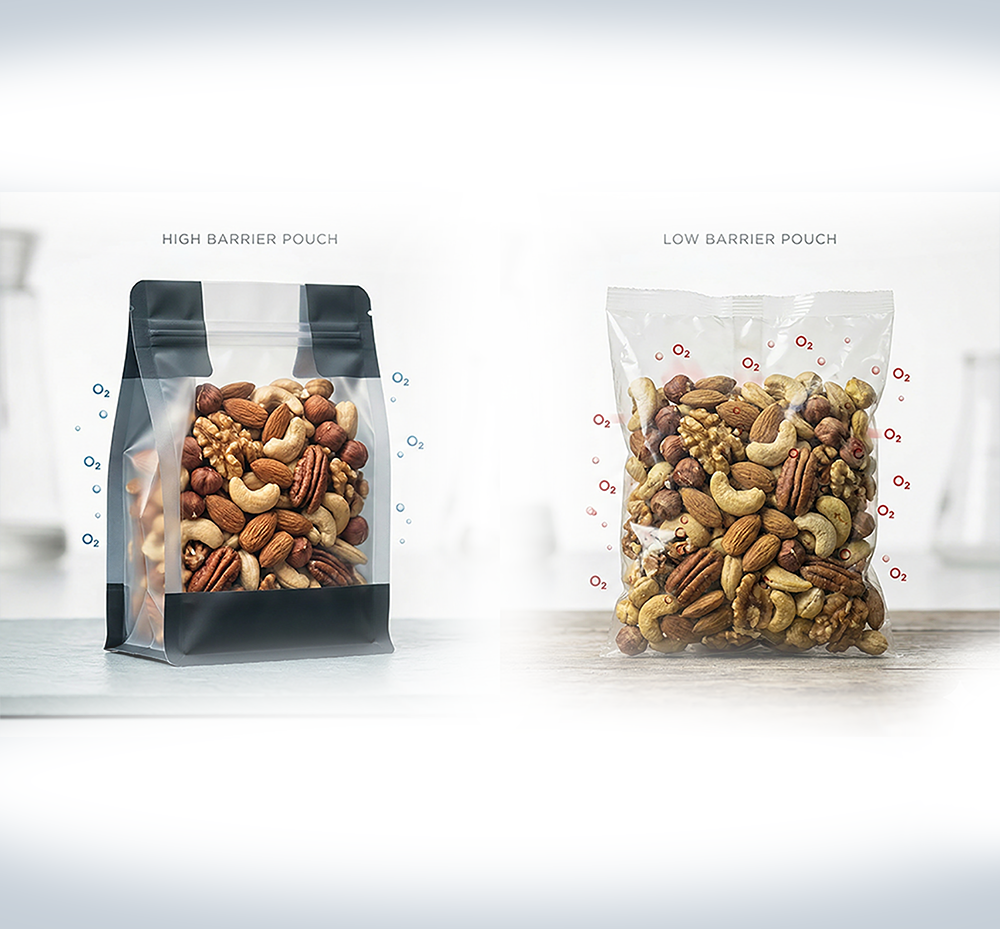
A few molecules of oxygen slipping through a pouch can turn nuts stale, coffee flat, or dressings rancid—well before the date code. That’s why how to choose the right food packaging isn’t a design preference; it’s a safety and performance decision that sets shelf life, compliance, and consumer trust.
This guide is for brand owners, packaging engineers, and operations teams who need packaging that protects food, runs reliably on form‑fill‑seal lines, and looks credible on the shelf. Expect practical direction from specialists who build pouches and rollstock every day: food‑contact compliant materials, validated barriers (OTR/MVTR), seal integrity, and features that balance usability with protection—without trading off regulatory requirements or sustainability goals.
We begin where effective decisions start: with the product itself. Define hazards, storage and distribution conditions, and target shelf life—then match packaging performance to those realities.

How to Put Safety First in Food Packaging: Compliance and Hygiene by Design
Food packaging is part of the food itself, so safety must come first. Every material that touches the product—films, adhesives, inks, and closures—must comply with applicable regulations (such as FDA 21 CFR in the U.S. or EU Framework and Plastics Regulations) and be validated for its exact conditions of use. Compliance should be supported by Declarations of Compliance or FDA letters, migration testing in relevant food simulants, and confirmation that the full multilayer structure—not just individual components—has been assessed. Special attention is required for high-risk scenarios like hot-fill, retort, microwave, or high-fat products, where heat and time can increase migration.
Safety also depends on low-migration inks and adhesives, properly controlled curing processes, hygienic equipment design, and disciplined sanitation procedures. Suppliers should provide full documentation, including Bills of Materials, migration reports, GMP statements, and lot-level traceability. Certifications such as BRCGS or FSSC 22000 signal strong quality systems, but ongoing audit data and change-control processes are equally important. Once materials are compliant, chemically stable, and produced under hygienic controls, you can confidently move forward to optimizing barrier performance and shelf-life protection.
Best barriers for food packaging: control oxygen, moisture, light, and stress
Once safety is established, packaging must be engineered to protect against oxygen, moisture, light, aroma loss, and physical damage. Oxygen Transmission Rate (OTR) controls rancidity and staling—high-fat foods like nuts, coffee, and chocolate often require very low OTR structures such as metallized or foil laminations, sometimes paired with nitrogen flushing or degassing valves. Water Vapor Transmission Rate (WVTR) protects crunch and prevents caking, while light barriers—like opaque films, metallized layers, or foil—block photooxidation that can degrade oils, vitamins, and flavor. Aroma barriers (PET, nylon, EVOH, foil) help retain product character and prevent external odor contamination, though materials like EVOH must be protected from high humidity to maintain performance.
Mechanical durability and seal integrity complete the system. Films must resist puncture, drop impact, and flex-cracking during distribution, especially for products with sharp inclusions. Strong, well-validated seals (ASTM-tested for strength and leak resistance) are just as critical as the barrier itself. Fresh produce requires the opposite approach—engineered breathability and anti-fog properties to manage respiration and condensation—while frozen or retort products demand materials that maintain toughness and barrier performance under temperature extremes. When oxygen, moisture, light, mechanical stress, and processing conditions are all accounted for, packaging becomes a predictable shelf-life tool rather than a gamble.
How to Align Packaging with Processing, Storage, and Shipping
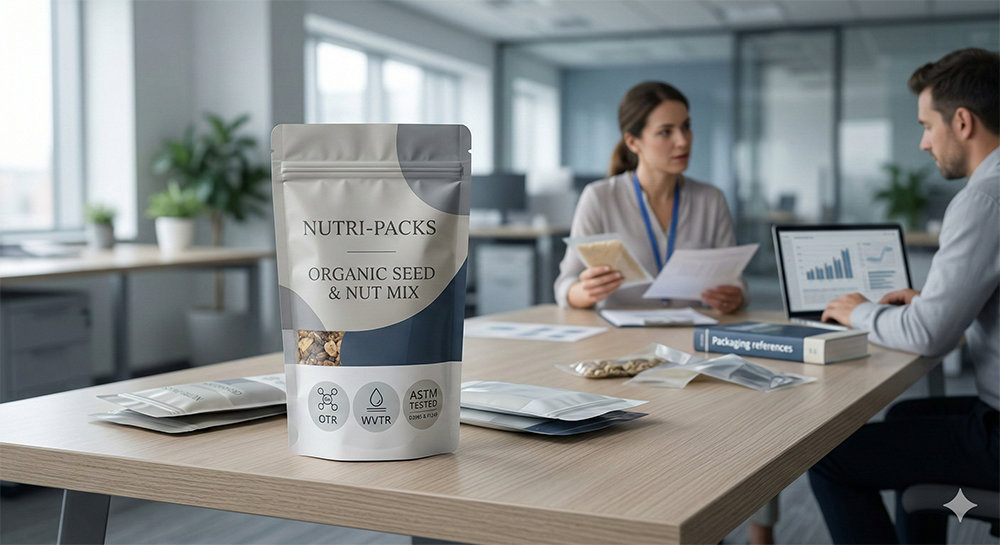
Even the right material and barrier structure will fail if the package can’t handle how your product is filled, stored, and shipped. Thermal processes like hot-fill and retort demand sealants, adhesives, and inks that withstand high temperatures without warping or delaminating, while HPP requires flexible, water-tight structures that compress and rebound without stressing seals. Atmosphere control adds another layer: MAP applications depend on films that lock in gas blends, while fresh produce often requires breathable, micro-perforated webs with anti-fog properties to balance respiration and moisture. Every process condition—heat, pressure, humidity, and headspace—must be engineered into the structure from the start.
Storage and distribution add real-world stress. Freezer conditions can make some films brittle, ambient heat can soften adhesives, and vibration or parcel drops can compromise weak seals. E-commerce often demands tougher webs, wider seal flanges, and reinforced fitments compared to palletized retail. Validation testing—thermal cycling, seal strength, burst and creep testing, and transit simulations—confirms performance before scale-up. When material choice, machinery compatibility, and route-to-market realities align, packaging protects quality from the filling line to the consumer’s hands.
Design for the Consumer: Usability, Clarity, and Brand Trust
Consumer-centered packaging is where technical specs translate into everyday ease and brand trust. In one granola pilot, adjusting tear scores, upgrading to a powder-resistant zipper, and adding clear “Press to seal” microcopy reduced opening frustration, improved reclosure rates, and cut staling complaints. Small usability refinements—like dialing in a consistent opening force, placing tear notches precisely, and selecting zippers that tolerate fine particulates—made a measurable difference in real-world performance.
Clear cues and smart design details reinforce that experience. Action-oriented copy placed at the notch and zipper reduces user error, while right-sized windows balance product visibility with light protection for sensitive ingredients. Stable gussets, wider mouths for easy scooping, and tamper-evident tear strips that don’t require excessive force all build confidence from first open to last pour. When the front-of-pack experience works smoothly, you reduce complaints, waste, and buyer’s remorse—while strengthening long-term brand loyalty.
How to control total cost-in-use with the right packaging and supplier fit
Many procurement teams default to the lowest unit price—but packaging isn’t a commodity; it’s a performance component that directly impacts uptime, waste, and customer satisfaction. Two pouches may look identical and pass a bench test, yet perform very differently on a live line. Focusing only on price ignores how materials behave under real operating conditions and across full production volumes.
When evaluating packaging, total cost-in-use tells the real story:
- Line performance: Sealing window, slip, stiffness, and gauge control affect throughput, microstoppages, and scrap rates.
- Quality fallout: Leak rates, seal failures, and print inconsistencies drive returns, credits, and brand damage.
- Operational costs: Slower speeds or added rejects can quickly erase per-unit savings at scale.
- Supply chain risk: MOQs, lead times, forced air freight, and changeover complexity impact cash flow and forecasting.
- Supplier support: Technical service, certifications, and responsiveness reduce downtime and long-term risk.
The better question isn’t “Which pouch is cheaper?” but “Which structure protects margin, maintains line speed, and keeps product on shelf?” Price matters—but performance pays for it.
How to Choose the Right Food Packaging: A Practical Selection Framework
Once your specs are validated, treat packaging as a living system—not a one-time decision. Regulatory pressure, channel shifts, and material availability will continue to evolve, so building adaptability into your structure and documentation today protects speed and margin tomorrow. Smart teams monitor policy changes, maintain alternates, and use real-world performance data to guide refinements instead of reacting under pressure.
To future-proof your packaging strategy, focus on:
- Regulatory readiness: Design toward mono-material PE or PP where feasible, document barrier additives (e.g., EVOH %), maintain claim substantiation files, and pre-qualify alternate compliant structures.
- Data-driven oversight: Track OTR/MVTR vs. targets, seal strength (ASTM F88), leak rates, returns by channel, and line performance; review quarterly with suppliers.
- Digital traceability: Use QR/GS1 Digital Link and lot-level tracking to support recalls, disposal guidance, and complaint resolution.
- Supply resilience: Qualify low- and high-PCR variants, plan for e-commerce testing (ISTA), and build modular specs that allow barrier swaps without changing print or fitments.
- Repeatable process: Apply the same risk assessment, validation, and documentation steps to every reformulation or launch.
Handled this way, packaging becomes compliant by design, resilient to change, and continuously improving—so each new specification is faster to approve, easier to run, and safer for both product and brand.

Choosing the Right Food Packaging: Turning Strategy into a Specification That Performs
Packaging choices work best when treated as an integrated system: safe, inert materials and hygienic processes protect the food; barrier performance and format match the product and its storage; labeling and usability earn trust and repeat purchase; and responsible materials reduce environmental impact without compromising safety.
If you’re weighing how to choose the right food packaging, start with the product’s risks and regulatory obligations, then select certified, food-safe materials and high-barrier formats tailored to storage and handling. Refine features and graphics for clarity and convenience, and ensure sustainability choices align with regulations and do not compromise safety. Teams that revisit these decisions as products, regulations, and consumer expectations evolve will safeguard quality, meet legal requirements, and strengthen brand value in a crowded aisle.
You’ve weighed barrier needs, product compatibility, closures, print, and runnability—now turn that list into a spec that will actually perform. If you’re still working through how to choose the right food packaging, the most practical next step is to price real materials and confirm machinability against your line, fill method, and shelf goals.
Red Dot Packaging manufactures custom pouches and rollstock in the U.S. Our packaging specialists match structures to your product, recommend formats that run reliably on your equipment, and support pilots through full-scale orders with consistent print quality. For options, pricing, and lead times tailored to your requirements, sample quote. We’ll outline the recommended film, pouch format, print specs, and a clear path from trial to production.
FAQs: Food Packaging Selection, Compliance, and Performance
What should I evaluate first when choosing food packaging?
Start with the product itself. Assess ingredients, fat content, acidity, particulates, and sensitivity to oxygen, moisture, and light. Define storage conditions, distribution channels, processing steps, and target shelf life. Once you understand these risk factors, you can align materials, barrier levels, and packaging format with real-world performance needs.
Which regulations and documents ensure food-contact safety?
In the United States, food-contact packaging must comply with FDA 21 CFR regulations. In the European Union, materials must meet Framework and Plastics Regulations requirements. Request the following from suppliers:
- Declaration of Compliance or FDA compliance letters
- Full Bill of Materials for the packaging structure
- Good Manufacturing Practice (GMP) statements
- Migration testing results using relevant food simulants
- Lot-level traceability documentation
Certifications such as BRCGS or FSSC 22000, along with documented change-control procedures, signal strong quality management systems.
What do OTR and WVTR mean, and how do they affect shelf life?
Oxygen Transmission Rate (OTR) measures how much oxygen passes through a film over time and directly affects rancidity and staling. Water Vapor Transmission Rate (WVTR) measures moisture ingress, influencing texture, crunch, caking, and microbial risk. Establish OTR and WVTR targets based on product sensitivity and storage conditions, then select film structures that consistently meet those thresholds.
How do I protect high-fat foods like nuts, coffee, or chocolate?
High-fat products require strong oxygen and light barriers to slow oxidation. Metallized films or foil laminations provide robust protection and are often paired with nitrogen flushing or one-way degassing valves for coffee. Seal integrity is critical—weak seals can undermine even high-barrier materials—so validate seal strength thoroughly before launch.
Is EVOH a good choice for aroma and oxygen barrier in humid conditions?
EVOH provides excellent oxygen and aroma barrier but can lose effectiveness in high humidity. Protect EVOH within multilayer laminations to preserve performance. If sustained humidity exposure is expected, evaluate alternatives such as PET, nylon, or foil-based structures depending on barrier and durability needs.
What packaging structures work for hot-fill, retort, HPP, and MAP?
Hot-fill and retort applications require sealants, adhesives, and inks that withstand elevated temperatures without warping or delaminating. High-pressure processing (HPP) demands flexible, water-tight laminations that compress and rebound without stressing seals. Modified atmosphere packaging (MAP) relies on films that maintain gas blends, while fresh produce often needs breathable or micro-perforated films with anti-fog coatings to manage respiration and moisture balance.
How do I confirm seal integrity and durability before scale-up?
Conduct ASTM F88 seal-strength testing along with burst and creep resistance tests. Perform thermal cycling, drop tests, puncture testing, and simulated transit evaluations to mirror real distribution stresses. Confirm machinability on your production line to identify sealing-window limitations and potential downtime issues before full-scale production.
What should change in my pouch design for e-commerce shipping?
E-commerce environments require tougher films, wider seal flanges, and reinforced closures to withstand parcel drops and vibration. Stable gussets and reinforced fitments help maintain structure and leak resistance. Validate performance through ISTA transit testing prior to launch.
How can I make reclosable pouches easier for consumers without hurting protection?
Select zippers designed to tolerate powders or fine particulates and establish consistent opening force with properly positioned tear notches. Include clear action cues near the notch and zipper to guide first-time use and reclosure. Maintain barrier performance by limiting window size and managing light exposure for sensitive ingredients.
How do I balance sustainability and total cost-in-use while keeping specifications future-ready?
Design toward mono-material PE or PP structures when feasible and document barrier additives such as EVOH percentages. Pre-qualify compliant alternative structures, including PCR variants. Evaluate total cost-in-use by tracking line efficiency, quality rejects, downtime, supply risk, and technical support—not just unit price. Maintain dashboards for OTR, WVTR, seal strength, leak rates, and returns. Incorporate QR codes or GS1 Digital Link for enhanced traceability, enabling faster adaptation as regulations and distribution channels evolve.