

What Products Are Best Suited for Pouch Packaging?
Choose the perfect food packaging pouch with high-barrier protection, vibrant custom printing, versatile formats, smart features and eco-friendly materials to extend shelf life, ensure freshness and boost retail & eCommerce appeal.
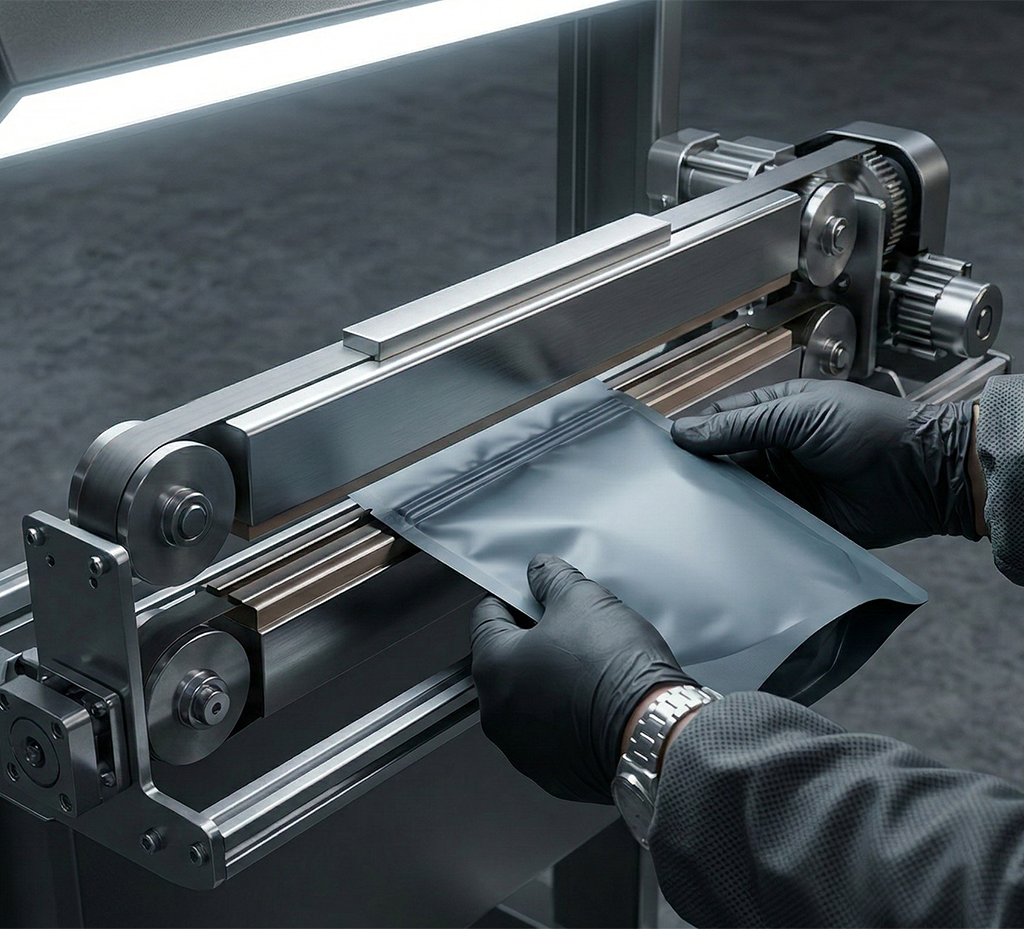
Shelf life and shelf appeal have to live in the same package. Food packaging pouches let you engineer both: high‑barrier protection for dry and shelf‑stable goods, full‑coverage printing, and practical features like resealable zippers and hang holes—without holding up production.
If you own a CPG brand, buy packaging, or run a co‑packing line, the decision isn’t theoretical. The pouch must meet barrier targets, carry compliant labeling, fit planograms, and seal cleanly on your equipment—often with low or no MOQs and tight timelines. As a U.S. flexible packaging manufacturer, we’ve seen how small format choices ripple through shelf life, unit economics, and throughput.
What follows is a clear, practical guide to the two core formats (stand‑up vs. lay‑flat), materials and finishes, zipper options, hang holes, sizing, and ordering—so you can choose with confidence and move from art file to production quickly. First, a quick look at what a pouch is and why these two designs dominate.
Food Pouch Basics: Materials, Barrier, and Display
Food packaging pouches are flexible, printable bags made from multi-layer film structures designed to protect dry and shelf-stable products while delivering strong shelf presence. They ship flat, run on manual or automated lines, and can stand upright with a bottom gusset or hang with a peg hole. Most structures combine layers that each serve a purpose:
- Outer print web for branding and durability
- Barrier core (EVOH, metallized PET, or foil) to slow oxygen and moisture
- Inner sealant layer (typically PE) for reliable, food-safe heat sealing
- Performance specs like OTR (oxygen protection) and MVTR (moisture control) matched to product needs
Pouches are especially effective for dry and shelf-stable goods because they balance barrier protection, usability, and efficiency. They can be customized with clear windows, white or metallized films for light protection, and features like tear notches, resealable zippers, and degassing valves. Key advantages include:
- Shelf-life control for nuts, coffee, snacks, spices, supplements, and pet treats
- Reseal convenience for multi-serve formats
- Strong food-contact compliance documentation
- Lower material use and freight footprint vs. rigid containers
- Format flexibility: stand-up pouches for retail visibility or lay-flat designs for slim profiles and eCommerce efficiency
This combination of barrier performance, branding space, and operational efficiency makes pouches a leading format for dry and shelf-stable products.

How to Choose Barrier Films That Protect Flavor and Shelf Life
Barrier materials determine how well a pouch protects flavor, aroma, and texture by controlling oxygen (OTR), moisture (MVTR), and light exposure. For dry goods, realistic targets help guide structure selection:
- Oxygen barrier (OTR): ≤1 cc/m²/day for nuts and trail mixes, ≤2 for spices, ≤5 for most dry powders; nitrogen flushing further reduces oxidation risk. Metallized PET can achieve <0.1, while clear EVOH structures typically range 0.5–2 (humidity dependent).
- Moisture barrier (MVTR): ≤1 g/m²/day for crunchy or hygroscopic products, ≤2 for most powders. Metallized films often deliver 0.1–0.2, while clear high-barrier films range 0.8–2.
- Light protection: Metallized and white opaque films block UV/visible light to protect oils, vitamins, and natural colors, while clear EVOH allows visibility with moderate barrier.
Performance is system-based, not just material-based.
- Aroma & grease control: EVOH and metallized layers retain volatile flavors and prevent oil migration.
- Humidity sensitivity: EVOH oxygen barrier weakens in high RH; keep packs dry and consider desiccants if needed.
- Windows & thickness: Oversized windows reduce protection; balance visibility with barrier and puncture resistance.
- Food-contact compliance: Specify FDA-aligned materials, use reverse printing to isolate inks, and maintain lot traceability.
When barrier is matched to product risk and distribution conditions, you preserve freshness, crunch, color, and aroma—setting the stage for strong shelf life and brand performance.
How to Design Pouch Printing and Finishes for Brand Impact and Compliance
Print and finish turn a pouch into a brand communication tool while meeting strict retail and regulatory requirements. Strong layouts clearly separate what sells from what complies:
- Front panel: Brandmark, product name, and flavor/variety visible at a glance, plus compliant net quantity statement.
- Back panel: Nutrition Facts (current FDA format), ingredients, allergens, contact info, and a properly sized, scannable barcode.
- Color accuracy: Design in CMYK, use high-opacity white underlays on clear or metallic films, and keep typography vector-based at 300 dpi+.
- Finish choices: Gloss for vibrancy and scuff resistance, matte for reduced glare and modern feel, spot gloss or soft-touch for premium contrast.
Execution details protect both compliance and press performance.
- Windows: Use strategically—great for nuts or dried fruit, but balance visibility with barrier and light sensitivity.
- Barcode placement: On flat, wrinkle-free panels with proper quiet zones and dense black ink.
- Seal & zipper clearance: Keep critical text and graphics safely away from heat seals, tear notches, and gussets.
- Variable data space: Reserve consistent areas for lot/date coding.
- Pre-press checks: Confirm bleed, white masks, dielines, and claim hierarchy before production.
When print, finish, and layout are engineered with production realities in mind, your pouch doesn’t just look strong on shelf—it scans, seals, and performs reliably from line to retail.

Stand-Up vs. Lay-Flat Pouches: Which Format Fits Your Product and Channel
Choosing between stand-up and lay-flat pouches impacts shelf presence, case count, filling efficiency, and user experience—so select the format based on merchandising goals, product weight, and line setup. Key differences include:
- Retail impact: Stand-up pouches create a strong billboard effect and face well in trays; lay-flat packs hang neatly on pegs and suit grab-and-go displays.
- Product weight & stability: Stand-up works well for heavier 8–16 oz fills; lay-flat suits lighter, single-serve items.
- Line compatibility: Stand-up favors manual or semi-auto filling; lay-flat excels on high-speed form-fill-seal lines.
- Freight efficiency: Lay-flat typically fits more units per case and performs better in eCommerce mailers; stand-up trades cube efficiency for shelf presence.
- Features: Multi-serve stand-up pouches often include zippers; single-serve lay-flat designs usually remain tear-open to reduce cost and complexity.
Select the format with the end use in mind—shelf strategy, distribution channel, and filling workflow—so performance aligns from production through retail.
Common Pouch Packaging Errors You Can Prevent
Even experienced teams can miss small details that create big problems in production, shelf life, or retail compliance. Common pouch packaging mistakes—and how to avoid them—include:
- Wrong barrier specs (OTR/MVTR mismatch): Choosing film by cost or appearance instead of oxygen/moisture needs can cause rancidity or clumping; set barrier targets first and confirm supplier data under stated test conditions.
- Windows on light-sensitive products: Clear panels can shorten shelf life for oils, spices, or vitamin blends; use opaque or metallized films, or limit and strategically place windows.
- Incorrect pouch sizing: Spec’ing by weight instead of bulk density leads to bulging or sealing issues; measure actual fill volume and allow 10–15% headspace.
- Misaligned zipper decisions: Adding zippers to single-serves adds cost; skipping them on multi-serve packs increases staling—match reclosure to real usage.
- Unscannable barcodes or weak compliance layout: Place codes on flat panels with proper quiet zones and ensure nutrition panels meet size and contrast rules.
- Skipping seal and transit testing: Validate with ASTM seal strength, burst, and leak testing, plus drop and temperature trials to prevent field failures.
Addressing these fundamentals early protects freshness, prevents costly reprints or returns, and keeps production running smoothly from pilot to full scale.
Sustainable Pouch Decisions: Prioritize Freshness, Then End-of-Life
Many teams assume the most sustainable pouch is simply the one labeled “recyclable,” but that view overlooks packaging’s primary job: preventing product loss. For dry and shelf-stable goods, even modest increases in oxygen, moisture, or light transmission can shorten shelf life and drive staling, clumping, returns, and waste—often creating a larger environmental footprint than the material savings from a lower-barrier recyclable film.
Life-cycle data consistently shows flexible packaging reduces material use and transport emissions versus rigid formats, and high-barrier structures (such as EVOH or metallized laminations with OTR below ~1 cc/m²/day) can dramatically extend freshness compared to single-layer films with far higher transmission rates. The better sustainability question is which package prevents the most total waste at the lowest overall impact—prioritizing right-sized, high-barrier designs and PCR content where feasible, then advancing recyclability when it can be achieved without compromising product protection.
How to Turn Pouch Decisions into a Long-Term Packaging Strategy
Packaging isn’t just a container choice—it’s a long-term operating strategy that shapes retail flexibility, freight efficiency, sustainability positioning, and speed to launch. Build modular “spec families” that share barrier structures, finishes, and closures across SKUs so you can support both shelf-ready stand-up pouches and eCommerce-friendly lay-flats without reinventing the system. Plan ahead for EPR regulations and retailer scorecards by prioritizing material reduction, qualifying recyclable-ready or PCR options where barrier allows, and documenting OTR/MVTR performance to defend your decisions with data. Layer in digital traceability (QR or GS1 Digital Link), define 12–18 month packaging roadmaps, and track KPIs like freight savings, returns, and seal integrity—so each new launch builds on a platform designed for growth, resilience, and measurable performance.

From Protection to Performance: Building Pouch Packaging That Scales
Across formats and finishes, modern pouch packaging turns a basic container into a hard‑working brand asset. By pairing right-size structures with high‑barrier films, clear labeling, and optional reclosable features, you protect freshness while making the product easy to merchandise and use. The practical win is matched by operational flexibility: order exactly what you need, iterate quickly, and scale designs from small runs to national rollouts without changing the core approach. If your lineup spans pet treats, trail mixes, or powdered supplements, food packaging pouches offer a consistent canvas for clarity and shelf impact. To refine or launch, start with your product’s protection needs, then dial in materials, print, and format—the result is packaging that performs on the shelf and in customers’ hands.
If this article helped you align materials, barrier specs, closures, and print to protect freshness and keep your line running, the smartest next step is to validate those choices against real manufacturing options, lead times, and pricing. Turning your shortlist into a concrete pouch spec now prevents surprises later—before film ordering, artwork finalization, or line trials.
Red Dot Packaging is a U.S. manufacturer of custom printed pouches and rollstock that match your brand and your equipment—from pilot runs to steady, high-volume supply. Our specialists translate requirements like oxygen and moisture barrier, child resistance, and form-fill-seal compatibility into packaging that performs on the shelf and in production. If you’re ready to scope stand-up, flat, gusseted, or spouted formats for your food packaging pouches, share a few project details and get a free quote.
FAQs
Q: Which products are best suited for food packaging pouches?
A: Dry and shelf-stable items perform well in pouches, including nuts, coffee, snacks, spices, powders, supplements, and pet treats. Multi-layer films protect against oxygen, moisture, and light while offering full-coverage printing and optional windows. Features like resealable zippers and hang holes add convenience for multi-serve and peg-displayed goods. Pouches also reduce material and freight compared to rigid containers.
Q: How do I choose between stand-up and lay-flat pouches?
A: Use stand-up pouches when you want a strong shelf presence and stability for 8–16 oz fills or multi-serve formats. Choose lay-flat for single-serve items, peg displays, and high-speed form-fill-seal lines where case efficiency and mailer fit matter. Stand-up usually trades cube efficiency for on-shelf visibility, while lay-flat packs more units per case.
Q: What barrier targets should I set for nuts, spices, and powders, and which films meet them?
A: As a guide, aim for OTR at or below 1 cc/m²/day for nuts and trail mixes, 2 for spices, and 5 for most dry powders; MVTR at or below 1 g/m²/day for crunchy or hygroscopic items and 2 for powders. Metallized PET can reach OTR below 0.1 and MVTR around 0.1–0.2, while clear EVOH structures often deliver OTR 0.5–2 and MVTR 0.8–2. EVOH’s oxygen barrier weakens in high humidity, so keep packs dry and consider desiccants if needed. Nitrogen flushing further reduces oxidation risk for sensitive products.
Q: Do I need light protection, and can I still use a clear window?
A: If oils, vitamins, or natural colors are sensitive, specify opaque white or metallized films to block UV and visible light. You can use a clear window, but keep it modest in size and away from critical seals to avoid compromising protection and puncture resistance. Balance visibility with barrier needs to maintain flavor, color, and texture.
Q: How should I design printing and finishes to meet retail and regulatory requirements?
A: Keep the front panel focused on brand, product name, variety, and a clear net quantity statement. Use the back panel for Nutrition Facts, ingredients, allergens, contact info, and a scannable barcode placed on a flat area with proper quiet zones. Design in CMYK with high-opacity white underlays on clear or metallic films, maintain 300 dpi or vector type, and reserve space for lot/date coding. Choose gloss for vibrancy and durability, or matte for reduced glare; spot effects can add premium contrast when needed.
Q: When should I add a resealable zipper versus leaving a pack tear-open?
A: Add a zipper for multi-serve formats where consumers will open and close the pouch multiple times, such as snacks or pet treats. Skip zippers on single-serve or trial sizes to reduce cost and complexity. Ensure artwork and seal areas leave adequate clearance for zipper installation and consistent sealing.
Q: Should I include a hang hole, and which type works best?
A: Include a hang hole if your pack will merchandise on pegs or clip strips or if you need dual placement options with trays and pegs. Standard round or sombrero-style holes are most common; match hole type and placement to retailer fixtures and keep barcodes clear of the hang area. Verify hole position does not interfere with seals, zippers, or tear notches.
Q: How do I size a pouch correctly for my product?
A: Size by volume, not just weight—measure bulk density and actual fill volume, then add 10–15 percent headspace for sealing and presentation. Consider product flow and settling, as well as gusset depth for stand-up stability with your target fill. Request die lines and mock up physical samples to check scoop clearance, graphics placement, and case fit.
Q: What tests should I run to prevent field failures before launch?
A: Validate seals with ASTM-style seal strength, burst, and leak tests, and add drop and temperature trials to simulate distribution. Confirm barcode scannability on flat panels across printing batches and verify lot/date code readability. Run line trials to check fill speeds, seal integrity, zipper alignment, and tear performance under real production conditions.
Q: Can Red Dot Packaging support small pilots and high-volume runs, including form-fill-seal?
A: Yes. Red Dot Packaging manufactures custom printed pouches and rollstock in the U.S., supporting pilots through ongoing volume with hands-on technical help. They match barrier specs, finishes, closures, and child resistance to your product and equipment, including form-fill-seal compatibility. Their team translates OTR, MVTR, and labeling requirements into packaging that runs cleanly and presents well at retail.